

The Cap Times is an independent newsroom serving Madison and Wisconsin. Sign up for the Food & Culture newsletter for exclusive weekly insight.
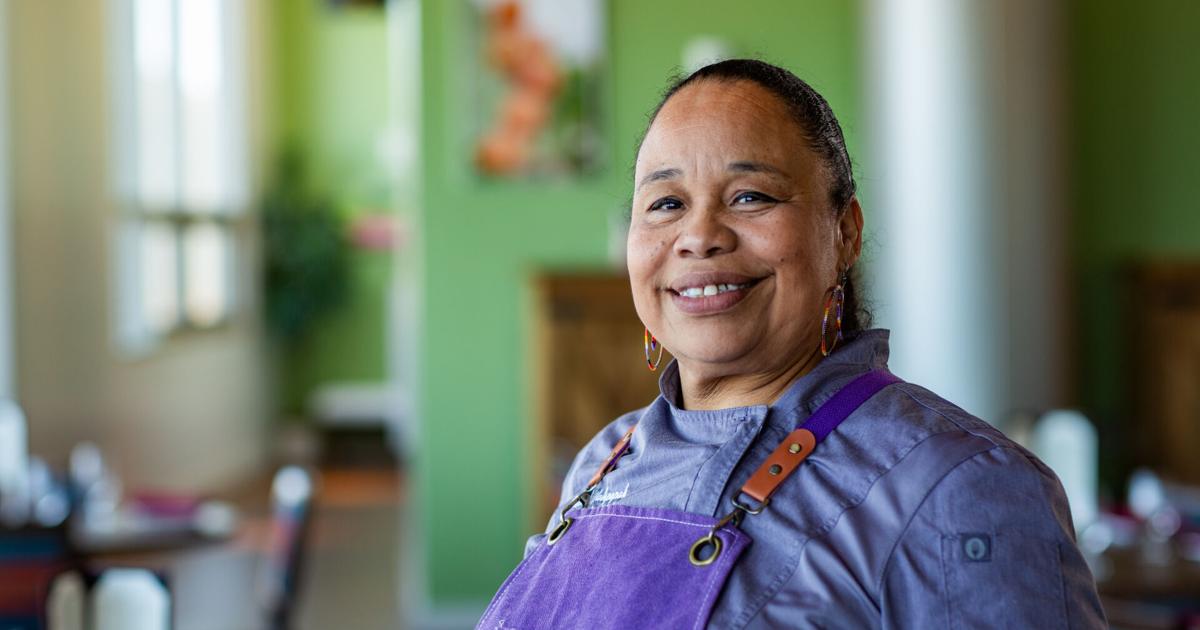
Chef Crystal Wahpepah owns Wahpepah’s Kitchen in Oakland. A finalist for the James Beard Award for Emerging Chef in 2022, Wahpepah is continuing a tradition of intertribal community in the Bay Area through the first Native woman-owned restaurant in Northern California.
A registered member of the Kickapoo Tribe of Oklahoma, Wahpepah’s grandparents moved to the Bay Area to look for work in response to the Indian Relocation Act of 1956, she said. Like many Native Americans newly moved to the city, they went to the Intertribal Friendship House in Oakland. A community center and resource for Native people in the Bay Area for more than 75 years, the facility’s longstanding Wednesday night community meal is where Wahpepah herself found a community of Indigenous people removed from their native lands but now gathered and connected through food.
Her new cookbook, “A Feather and a Fork: 125 Intertribal Dishes from an Indigenous Food Warrior,” showcases Indigenous and heirloom ingredients, recipes and traditions that interweave different tribal uses for local ingredients. Written with ethnobotanist and food sovereignty advocate Linda Black Elk, the cookbook is a personal invitation to the stories and recipes Wahpepah grew up with while also advocating for Indigenous food sovereignty, Indigenous food producers and the preservation of heirloom foods and traditions.

Chef Crystal Wahpepah’s new cookbook is “A Feather and a Fork: 125 Intertribal Dishes from an Indigenous Food Warrior.”
MICAH COEN
On Nov. 18, Seven Acre Dairy Co.’s fall dinner series in Paoli will feature Wahpepah, showcasing both stories from her new cookbook as well as Indigenous food and producers. She spoke with the Cap Times about the cookbook, the intimacy of food and how growing up Indigenous in an urban, intertribal environment influenced the chef and person she has become today.
The interview has been edited for length and clarity.
The title of the book calls you an “Indigenous food warrior.” What does that mean to you?
I feel like food sovereignty is very, very important. We’re reclaiming something that has always been around, but we really haven’t been able to, especially in the urban city, really connect with those ingredients. Food is medicine. A food warrior is really a person that is working in Indian ag, for instance, in their community to help feed it.
How do you think your experience growing up in California created the person that you are today?
It definitely made me who I am as an Indigenous chef and as an urban Native chef. I feel like I’ve been very blessed and very lucky to grow up with all these beautiful different ingredients (from different tribes). It really shaped my craft of who I am as a chef. I wouldn’t want it either any other way. It makes me unique to have grown up intertribal. I wanted to really showcase and highlight that in the book. This is how I grew up.
Why is this the cookbook you wanted to write?
I feel like it was very important for Indigenous chefs’ stories to be told. It was also very important to put out these beautiful recipes that I have the honor of cooking. Every recipe that is in the book, I grew up on and I have this relationship with and I have stories with. It’s my first cookbook, so I wanted to really start off in a special moment of really highlighting these recipes that made me who I am today.
On Nov. 18, Seven Acre Dairy Co.’s fall dinner series in Paoli will feature chef Crystal Wahpepah, who owns Wahpepah’s Kitchen in Oakland, California.
MICAH COEN
What is it like to be able to go out and make the food that you learned how to make as a child, and have people taste it right in front of you while you talk about the stories in the cookbook?
I like these intimate events. It feels like really (the attendees) getting the full circle of the whole book. I can talk about books, I can talk about the recipes, but there is no other better way of enjoying it than tasting the food. You’re going to taste something that is really creative. You’re going to taste something from my memory while honoring the food that is going to be on the plate. I want people to be nourished, but also to look at food in a new way.
You said you’ve been on tour with this cookbook for seven months. It’s your first cookbook, and you’re sharing your family’s history. Have you had a chance to soak in the experience?
I just do what I love. I love being in spaces where I can create and get to do storytelling on a plate. I want everyone who comes to have an intimate relationship with that meal. It doesn’t matter who they are or where they come from. All of the dishes have different stories to tell. I like when everything comes full circle.
Please consider supporting the Cap Times by becoming a member or sponsor. Sustaining local journalism in Madison depends on readers like you.
Dining and Cooking