
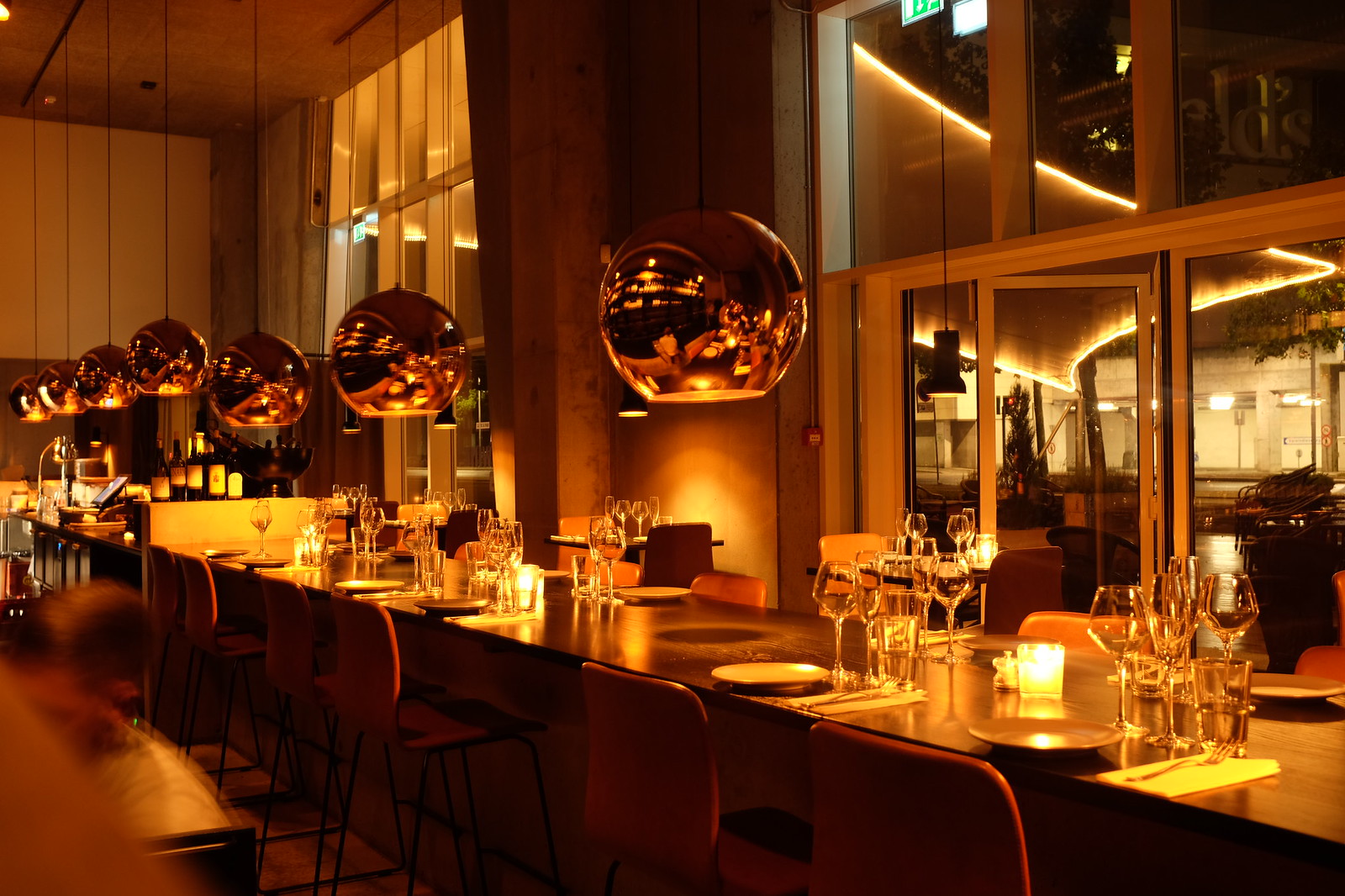

More than 30 Colombian restaurants featured in 50 Best Discovery, the platform highlighting the best places in more than 800 Cities worldwide. Credit: Kristoffer Trolle, CC BY 2.0 / Flickr
Colombian cuisine continues to gain international recognition thanks to the diversity of culinary concepts that have emerged across the country. In 2026, the 50 Best Discovery platform, created by the organization behind The World’s 50 Best Restaurants, features more than 30 Colombian restaurants among its selection of notable establishments around the world.
Unlike the annual The World’s 50 Best Restaurants list, 50 Best Discovery does not operate as a ranking that assigns restaurants positions from first to last. Instead, it is an international guide that brings together restaurants, bars, and other establishments considered noteworthy for their culinary offerings, identity, and overall experience.
50 Best Discovery features more than 30 Colombian restaurants
The 50 Best Discovery platform functions as an extension of The World’s 50 Best Restaurants, allowing users to discover establishments that have attracted attention within the international culinary scene. Its goal is to provide a broader look at places that may become points of reference for travelers and food enthusiasts.
Being included in the guide represents an opportunity for greater visibility for Colombian restaurants, particularly at a time when cities such as Bogota, Medellin, and Cartagena have strengthened their presence in international culinary tourism.
The selection highlights the variety of concepts found across the country. It includes restaurants that reinterpret traditional ingredients, establishments focused on contemporary cuisine, and concepts that combine international influences with Colombian products.
Among the restaurants featured are AlfuenTe, Cacio y Pepe, Café Bar Universal, Debora, El Chato, Elcielo, Harry Sasson, Humo Negro, LEO, Mesa Franca, Nueve, ODA, Osaka, Pajares Salinas, Prudencia, Salvo Patria, Selma, and Pajarito, all located in Bogota. The capital once again demonstrates the breadth of its culinary scene and the wide range of concepts available to residents and visitors.
Bogota accounts for a large share of the selected restaurants
One of the most notable aspects of the selection is Bogota’s strong representation. The city has become one of Colombia’s leading destinations for contemporary cuisine, with restaurants exploring ingredients and products from different regions of the country.
Among the Bogota establishments is LEO, one of the most internationally recognized names in Colombian gastronomy. Its concept revolves around ingredients sourced from different ecosystems across the country and an exploration of products that are not traditionally associated with fine dining.
El Chato is also featured. The restaurant has developed its culinary identity around Colombian ingredients and contemporary techniques. Its presence in the guide reflects the growth of a generation of chefs interested in working with local products from new perspectives.
Another recognized name is Elcielo, a restaurant founded by chef Juan Manuel Barrientos that combines gastronomy, creativity, and sensory experiences. It is part of a generation of Colombian establishments that have expanded the dining experience beyond the food served at the table.
The list also includes Harry Sasson, one of the country’s best-known chefs. His Bogota restaurant has established itself over the years as a reference point for Colombian gastronomy. Alongside it are concepts with different styles, including Cacio y Pepe, Cafe Bar Universal, Humo Negro, Mesa Franca, Nueve, ODA, Osaka, Pajares Salinas, Prudencia, Salvo Patria, and Selma.
The diversity of these establishments demonstrates that Bogota’s culinary scene is not limited to a single style. Chef-driven restaurants, international concepts, locally inspired spaces, and venues focused on more casual experiences coexist within the city.
Medellin, Cartagena, Cali, and Barranquilla also appear in the guide
Other Colombian cities contribute restaurants that represent different traditions and trends within the country’s culinary landscape.
In Medellin, the guide features Carmen and Sambombi Bistro Local, two restaurants that offer different approaches to regional cuisine. Carmen is known for combining Colombian ingredients with international influences, while Sambombi focuses on its connection with local products and producers.
Cartagena is represented by Celele, a restaurant that has gained recognition for its exploration of Colombian Caribbean cuisine. Its concept seeks to highlight ingredients, flavors, and traditions from the region through a contemporary culinary approach.
Cali is represented by Domingo, bringing the gastronomic perspective of southwestern Colombia to the selection. The inclusion of a restaurant from the city expands the guide’s geographic representation and demonstrates that interest in chef-driven cuisine extends beyond the main culinary circuits of Bogota, Medellin, and Cartagena.
Barranquilla, meanwhile, is represented by Manuel, an establishment that incorporates the culinary identity of Colombia’s Caribbean region into the international selection.
The guide also includes names such as Pajares Salinas, Prudencia, Selma, AlfuenTe, and other establishments that contribute to broadening the representation of Colombian gastronomy on the platform.
Dining and Cooking