
As Sea Temperatures Rise, Some Fish Migrate to Deeper Waters, Reducing Catch Volumes
38,000 Ceviche Specialty Restaurants Affected
Restaurants in Peru that specialize in ceviche, the country’s signature dish, are experiencing difficulties in sourcing ingredients and facing rising costs as fish species distribution along the Peruvian coast changes due to the El Niño phenomenon, which causes abnormally high sea surface temperatures in the Pacific Ocean.
According to Peru’s daily newspaper El Comercio on the 27th (local time), changes in the marine environment caused by both El Niño and Coastal El Niño have altered the distribution and supply of fish species caught along the Peruvian coast, impacting ceviche restaurants.
Ceviche, considered Peru’s representative dish, is prepared by thinly slicing seafood such as fish and squid, marinating it in lemon or lime juice, and eating it together with vegetables.
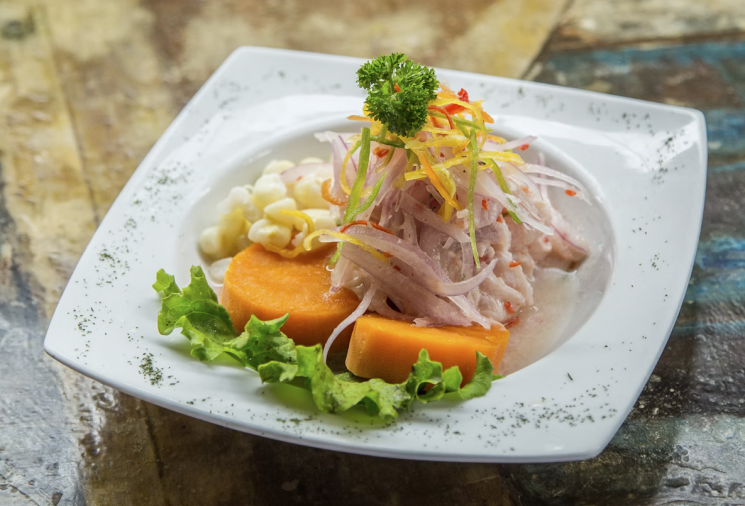
Ceviche. Unsplash
View original image
Javier Vargas, President of the Peru Seafood Restaurant Association, stated that about 20-30% of the entire seafood dining industry is currently affected by the situation. According to Vargas, out of approximately 225,000 restaurants in Peru, about 38,000 are ceviche specialty establishments.
In particular, the supply of traditional fish species used for ceviche—such as mullet, horse mackerel, mackerel, and pejerrey—has decreased. Vargas explained that, in addition to the rise in fish prices, some species have migrated to deeper waters due to higher sea temperatures, making them harder to catch and reducing the quantities supplied to restaurants.
In particular, the supply of squid and octopus has become more difficult, while the price of pejerrey has risen by about 25% and scallops by about 10%.
However, businesses are not reflecting most of the rising costs in consumer prices. Segundo Muelle, a Peruvian seafood restaurant chain, revealed that they are absorbing the cost increases internally as much as possible. As a result, profitability is under significant pressure, but they explained that they are focusing on cutting costs and identifying alternative ingredients rather than raising prices.
Ceviche specialty restaurants are also exploring ways to use different fish species in place of the seawater fish they have traditionally used. Vargas mentioned that if it becomes difficult to procure seafood, trout, paiche, or doncella could be used as ceviche ingredients.
The problem is that it is difficult to raise ceviche prices despite the increase in ingredient costs. The Peru Seafood Restaurant Association stated that it has decided not to increase ceviche prices, adding that restaurants are absorbing the cost burdens themselves and thus making little to no profit.
Ordinarily, restaurants achieve a profit margin of 20-30%, but currently, many ceviche specialty establishments have seen their profitability sharply deteriorate due to rising ingredient costs. Consequently, some restaurants are diversifying their income by introducing new menu items such as seafood breakfast options, traditional Peruvian dishes, and ceviche-style maki rolls.
Amid continued difficulties in sourcing ingredients for ceviche due to El Niño, the Peruvian government has also warned that the resulting damage may intensify in the future. The National Civil Defense Institute of Peru announced that, beginning in November, El Niño is expected to strengthen, increasing the possibility of large-scale floods and landslides in at least 10 regions nationwide.
Hot Picks Today

“If You Give 100,000 Won, You’ll Be Criticized”… Wedding Gift Amounts: 130,000 Won for Singles vs. 290,000 Won for Married Couples
At a press conference held the previous day, National Civil Defense Director Luis Vasquez said, “Based on past damage data from El Niño, we estimate that about 1.2 million residents will be directly affected,” and added, “We have designated 536 high-risk areas across the country and have initiated preventive measures.”
This content was produced with the assistance of AI translation services.
© The Asia Business Daily. All rights reserved. Unauthorized AI training and use prohibited.
Dining and Cooking