
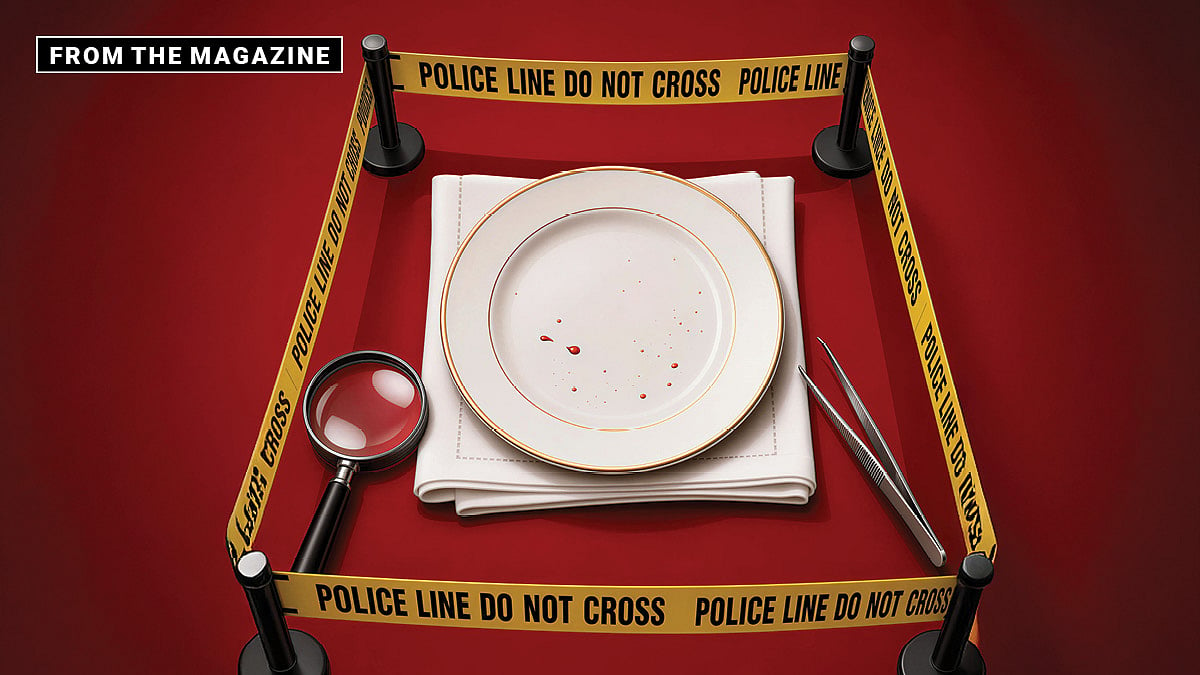
Mundhe’s enforcement drive may be the most visible, but it also appears to be triggering similar efforts in other states like Karnataka. The case of analogue paneer, the factory-made, artificial substitute for traditional dairy paneer that replaces real milk solids and fats with vegetable oils, industrial starches, and chemical stabilisers, is a good case in point. From the start of this month, several states have banned or restricted the sale of this unhealthy product. As a result, dishes with paneer have vanished from many restaurants, pointing to just how widely used this product was. Even the Food Safety and Standards Authority of India (FSSAI), the government body responsible for creating and maintaining food standards in the country, appears to have stepped up its crackdown on misleading claims, pulling up some of the top companies for selling products with false or deceptive claims. In some cases, the companies have challenged the FSSAI’s orders. In many others, the claims have either been removed, or the products remained banned.
“Everyone is in a state of panic right now,” says Ajinkya Udane, the legal head of the Pune chapter of the National Restaurant Association of India, referring to the fear among restaurant owners over Mundhe’s crackdown. “Everyone, even those who are fully compliant, are making doubly sure everything is in order.”
Dhiraj Wankhede, a former FSSAI official who runs a consultancy that liaises with government bodies to secure approvals for restaurants, is even more emphatic. “Have you seen the colour of the chicken lollipop you get at roadside eateries [in Mumbai]. It’s colour has changed fully,” he says. “People are being careful about using food colours. Even the hawker with a roadside stall is saying, ‘Why take the risk?’”
Dining and Cooking