

Many popular lunch dishes contain far more sodium than people may realise, from noodles, ramen and suki to khanom jeen, fried foods and processed meats.
Eating high-sodium meals regularly can contribute to high blood pressure and may cause further problems for people with reduced kidney function. When the kidneys cannot efficiently remove excess sodium and water, fluid can build up in the body, leading to swelling and higher blood pressure.
1. Rice with grilled meat and sauce  Photo by Worrakat from Getty Images
Popular dishes such as rice with barbecue pork, roast duck, grilled pork or grilled beef can contain sodium before they even reach the plate.
The meat is often marinated with salt, soy sauce and other seasonings before being cooked, with additional sauce poured over it when served.
Source data cited examples of some grilled meat rice dishes containing more than 2,500 milligrammes of sodium per meal. However, the actual amount can vary significantly depending on the recipe, portion size and seasonings used by each restaurant.
2. Braised beef noodles and rich noodle soups  Photo by UNDO KIM from Pexels
The broth is one of the biggest sources of sodium in noodle dishes, with salt, soy sauce, sauces and other seasonings commonly added during cooking.
Many diners then add more fish sauce, soy sauce or other condiments at the table.
For some versions of braised beef noodles in a dark broth, sodium intake can reportedly reach around 4,000 to 5,000 milligrammes per bowl if the entire serving of soup is consumed.
3. Fried and boiled dumplings  Photo by Rutchapoom Muangkaew from Getty Images
Dumplings may not taste particularly salty at first, but their meat fillings are often seasoned with salt, soy sauce and several other flavourings before being wrapped.
Source information cited an example of around 10 boiled dumplings containing more than 1,000 milligrammes of sodium, not including any dipping sauce served alongside them.
4. Fried chicken rice and fried pork rice  Photo by Denys Gromov from Pexels
Chicken and pork used in fried dishes are often marinated before cooking.
When combined with batter, sauces and dipping sauces, this food can quickly become high in sodium, fat and calories.
Some meals containing large portions of fried meat may also provide around 30 to 40 grammes of protein. This can be an additional consideration for people at certain stages of kidney disease who have been advised to follow an individualised dietary plan.
5. Ramen with rich broth 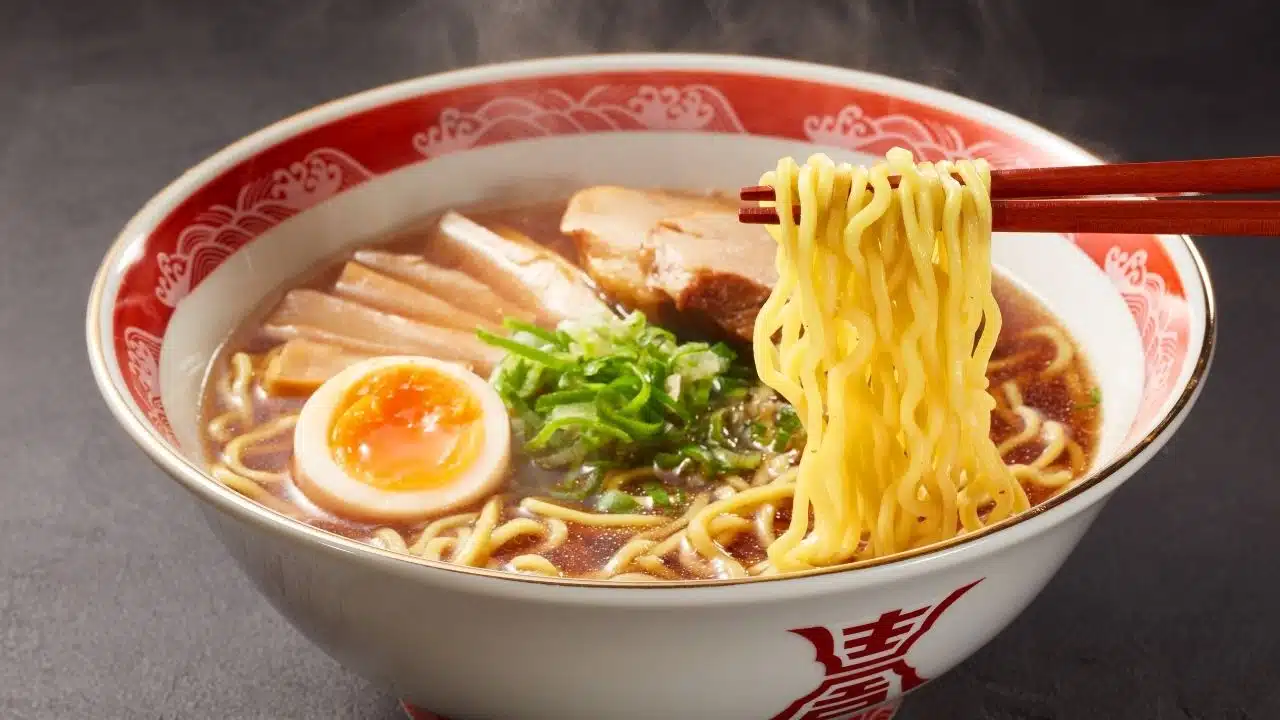 Photo by Aflo Images from アフロ(Aflo)
Tonkotsu, miso and other rich ramen broths can contain considerable amounts of sodium from salt, miso, sauces and other seasonings used during preparation.
The amount consumed increases substantially when diners finish the entire bowl of broth.
Rich soup can therefore deliver a large amount of salt in a single meal, although this does not mean the kidneys are directly exposed to salt water.
6. Instant noodles  Photo by LotusImages16 from Getty Images
The sodium in instant noodles does not come only from the seasoning sachet. It can also be found in the noodles themselves and in other ingredients.
A survey of 788 instant noodle products sold in Thailand found that varieties served with soup had a median sodium content of around 1,913 milligrammes per 100 grammes.
Dry or soup-free varieties recorded a lower median of approximately 1,077 milligrammes per 100 grammes.
7. Suki soup  Photo by pedphoto36pm from Getty Images
Suki may appear to be a relatively balanced meal because it contains vegetables and meat, but much of its sodium can come from the broth and dipping sauce.
Suki sauce commonly contains soy sauce, other sauces and additional seasonings.
Repeatedly adding more dipping sauce throughout the meal can significantly increase the total amount of sodium consumed.
8. Khanom Jeen Nam Ya (Chinese noodles with curry sauce)  Photo by Darkmatter07 from Getty Images
The fermented rice noodles themselves are not usually the main source of sodium.
Most of the sodium comes from the curry or sauce served with them, which may contain fish sauce, salt, curry paste and other seasonings.
Eating the dish alongside salty side dishes, pickled vegetables or fermented foods can push sodium intake even higher.
9. Som tam and spicy Thai salads  Photo by eskymaks from Getty Images
Sour, spicy and sweet flavours can sometimes make the saltiness of a dish less noticeable.
However, fish sauce, pla ra fermented fish sauce and other seasonings can add considerable amounts of sodium to som tam and Thai-style salads.
The actual amount varies according to the recipe, particularly when several strongly seasoned sauces and condiments are used together.
10. Processed foods such as Chinese sausage, moo yor and sausages  Photo by somdul from Getty Images
Processed meats commonly contain salt and sodium-based compounds used for flavouring and preservation.
They should therefore be considered alongside all the other sources of sodium eaten during the same meal.
Eating Chinese sausage, Vietnamese-style moo yor pork sausage, regular sausages or other processed meats with sauces, dipping sauces and salty side dishes can cause total sodium intake to rise quickly.
How does eating too much sodium affect the body?
Sodium is an essential mineral that helps regulate fluid balance and blood pressure and plays a role in nerve and muscle function.
For most adults, around 1,500 milligrammes of sodium per day is considered sufficient. The World Health Organisation recommends limiting sodium intake to less than 2,000 milligrammes per day, equivalent to roughly 5 grammes, or about one teaspoon, of salt.
Consuming too much sodium causes the body to retain more water and can contribute to high blood pressure.
People whose kidneys are already functioning below normal levels may find it harder to remove excess sodium and water. This can lead to swelling, fluid-related weight gain and, in cases of significant fluid retention, difficulty breathing.
Research into sodium consumption among people in Thailand has found an average intake of around 3,636 milligrammes per day, well above the internationally recommended limit of less than 2,000 milligrammes for adults.
Cutting sodium does not mean giving up every favourite food
Reducing sodium can begin with small changes to the way meals are eaten.
Avoid finishing all the broth in noodle soup or ramen, ask for less sauce or have it served separately, use dipping sauces sparingly and taste food before adding extra seasoning.
Processed meats can also be replaced more often with fresh meat, fish, eggs or lightly seasoned protein.
For packaged foods, check the nutrition label carefully, paying attention not only to the sodium content but also to the number of servings contained in each package.
People with kidney disease, high blood pressure or heart disease, or those who have been advised to restrict fluids, potassium, phosphorus or protein, should follow the personalised dietary advice given by their doctor or other healthcare professional.
Dietary restrictions vary considerably between patients.
Anyone experiencing unusual swelling in the legs, changes in urination, unexplained fatigue or difficulty breathing should seek medical assessment to determine the cause rather than assuming that one particular food is responsible.
Latest Thailand News
Home/Guides/Best of/Food/10 popular lunch dishes in Thailand loaded with sodium that could wreck your kidneysFood
Dining and Cooking