
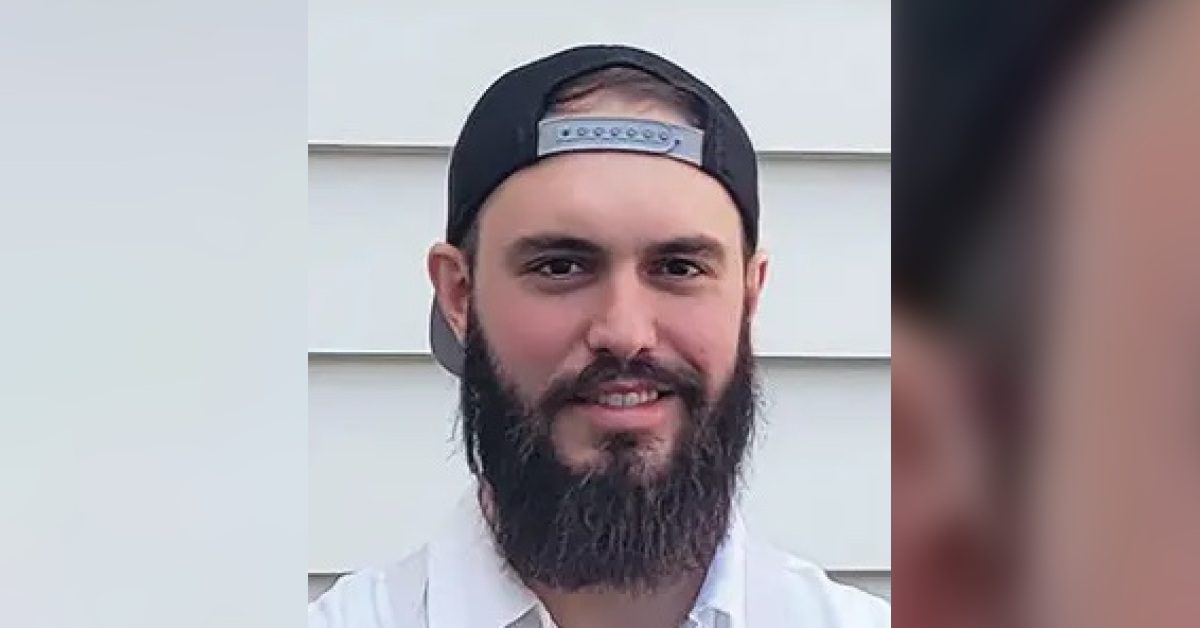

There’s a new chef in (Mid)town, his name is Jeremy Boudreau, and he came to play, aiming to elevate one of the city’s most established restaurants into one of its culinary best.
“I am a fan of big, bold flavors and am not afraid to try out different flavor combinations that may seem unconventional,” he said.

It’s that daring and creative style that won over the ownership and management of Midtown in a sixcourse tasting.
“For me, it was the halibut Wellington,” said general manager Charlie Holder of Boudreau’s culinary bid. “Jeremy is bringing a new set of eyes and flavor profiles to our menu and shares our goal of using the highest quality products available. Going into our 10th year, we felt it was the right time to change our culinary approach.”
Until fall 2022, Boudreau served as executive chef at Stoneacre Brasserie, known for its house-made, farm-to-table theme, a style that has served as a strong influence on him via the revered chefs he has worked for as well as those who served as his muses.
To delve more deeply into what makes Boudreau tick, I lobbed a string of questions at him, and his responses make it clear that Midtown Oyster Bar’s dishes are headed for a renaissance.
“Our guests will quickly notice the new direction of our menu,” said Holder. How would you describe your culinary style?
I would say my culinary style is a little all over the place. I am classically trained and use that as a base for my techniques, but I guess my style could be loosely classified as modern American. As far as flavor profiles, I tend to pull from all different directions, depending on the dish. One of the most enjoyable parts of being a chef is trying out different or unusual flavor combinations and figuring out how to make them work. I don’t want my food to be boring or bland. I try to develop as many layers of flavor as possible in my cooking, while still maintaining one cohesive dish.
My main focus with food is [working with] the freshest, most local and seasonal ingredients. I am a firm believer that if you start off with a beautiful product, whether it be meat, seafood or produce, you don’t need to do a whole lot to let that ingredient shine. Over the course of my career, I have been very lucky to work closely with some of the best farmers in Rhode Island and Massachusetts and plan to continue those working relationships going forward.
What/who were your greatest influences?
[My] biggest influences . . . have been the amazing chefs I have worked for. In high school, Todd Tobias started teaching me about seafood, how to operate a restaurant, and even allowed me at a young age to run the restaurant we worked in.
Chef Jason Bond (owner of Boston’s Bondir and semifinalist in 2012 for the James Beard “Best Chef in America” award), who I both interned for and then continued to work for at Bondir, was a huge factor in creating my culinary style. He taught me how to build depths of flavors and… it was working under him that I truly began to appreciate the importance of those local, fresh and seasonal ingredients and all of the farmers that grew them. We would even go help the farmers before service, harvesting, butchering or picking up our produce. All the other great chefs I got to work with taught me countless lessons and helped develop my attitude towards operating a kitchen and cooking.
Looking at the bigger picture, Dan Barber, Grant Achatz, Thomas Keller, Curtis Duffy and many other famous chefs have been influences for different reasons. The way that [they have] been able to transform food to make it the best it can be, manipulating it to create the most nutritious and delicious ingredients, while doing it the right way, has really pushed me to take a deeper look at the way I treat food.
How does your vision for great food fit into the Midtown Oyster Bar formula, and what was it about the restaurant that lured you, both professionally and creatively?
I was drawn to the opportunity to be able to put my spin on things and improve even more on the restaurant’s high standards. Midtown has always [had a reputation] for being consistent in terms of quality and quality ingredients, which has always impressed me given the [high] volume. The opportunity to make one of the busiest restaurants in the city into one of the top restaurants excited me immensely.
The [chance] to create dishes that may not seem like they should be seafood-focused is also very exciting to me.
Tell me about the dishes you made for owners and management that sold them on you for the job.
For my tasting I wanted to show off as wide of a variety of cooking techniques and flavor profiles as I could, while giving an accurate representation of how I cook. I was asked to tell my story through food, so I tried my best to do so, while showing some dishes that I thought would work on the menu.
[Three] dishes I made were tempura Delicata squash with squid ink aioli and Kaffir lime marmalade; poached Gulf shrimp, with crispy sushi rice, charred oyster mushrooms, pickled Cubanelles and beet agrodolce; and that halibut Wellington, with lobster mousse, local mushroom duxelles, hazelnut gremolata, sea beans, honey and thyme braised carrots. There were also a grilled Ora king salmon dish, a Point Judith squid dish, and a butter-poached Manila clam dish.
You’re just now releasing a new menu. How did you tweak it, what stayed and what went?
The new menu is still in its final stages. In general, I went with the theme of a modern New England seafood restaurant with my own twist on it. Guests can still expect the same quality that they have come to know and love about Midtown but . . . it may come as a bit of a shellshock as most of the menu will be changed in some manner, [other than] classics like the tuna tacos, smoked bluefish dip, stuffies and lobster corn bisque. I’m excited for the changes and hope that our loyal Midtown guests are as well.
Dining and Cooking