
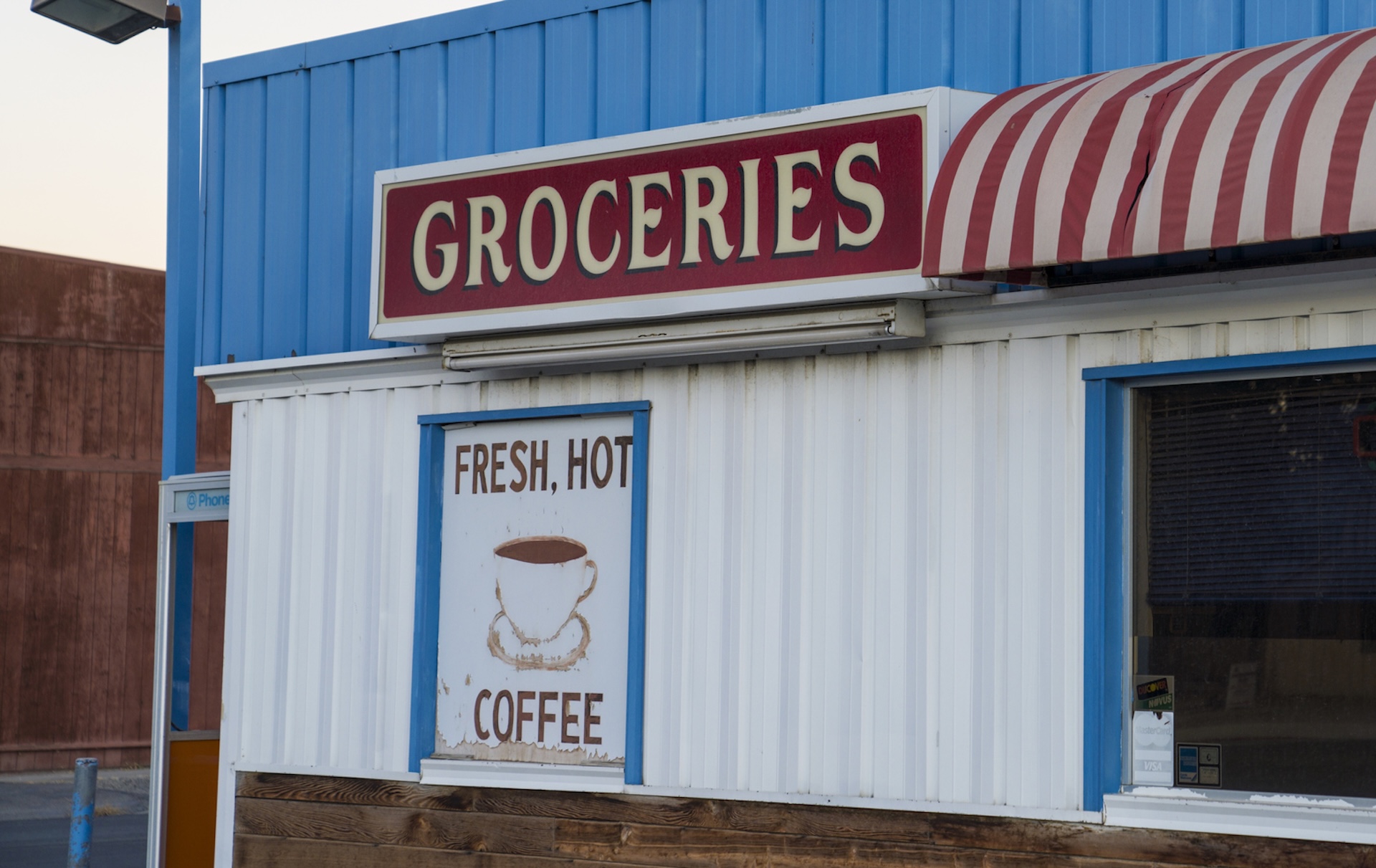
In Pond Creek, Oklahoma, residents depend on Buy-Rite Foods for a key basic need.
The store is the only place in town where SNAP benefits can be used, and employees say limits are already making it tougher for families to buy food, Wisconsin Public Radio reported.
Here’s what to know
After Oklahoma narrowed SNAP purchases, Buy-Rite Foods told WPR that its SNAP sales dropped by about 90%.
From her spot at the register, Buy-Rite Foods employee Chrystal Hamblin admitted that the difference was obvious.
“I don’t see near as many. I mean, it used to be after school, parents would just send their SNAP card with their kid, ‘Hey, go get your snacks or whatever you need after school,'” she began.
“And a lot of that can’t be used on SNAP now and so we don’t see that.”
Federal food aid policy has also been drastically reshaped.
H.R. 1, the One Big Beautiful Bill Act, became law in July 2025 and added stricter work requirements, ended the SNAP Education program, removed many immigrants from eligibility, and shifted more administrative costs to states.
About 5.4 million people were removed from the program since July 2025, per WPR.
More background
Rural communities were already facing elevated food insecurity before SNAP cuts took effect.
Citing the Department of Agriculture’s Household Food Security Report, WPR noted that nearly 16% of rural households were food insecure in 2024, roughly 2 percentage points higher than the national average.
People in rural areas also often face longer trips to grocery stores, fewer job options, and scant transportation options.
Gina Plata-Nino, who oversees SNAP work at the Food Research and Action Center, warned that the effects of multiple policy moves are compounding.
“H.R. 1 was just the thing that like — it’s the main piece of the pie, but all of these other things are also impacting them. So it’s not just one thing, it’s everything,” Plata-Nino observed.
“But H.R. 1 is the biggest driver,” she added.
SNAP spending supports local businesses, said James Ziliak, director of the University of Kentucky’s Center for Poverty Research, especially small stores operating on thin margins.
What can be done?
As soon as 2027, states may be on the hook for millions in SNAP expenses, with the amount contingent upon their error rates.
Brian Colby, vice president of the Missouri Budget Project, indicated that tighter state budgets could make an already complicated system even harder for people to manage.
“They’ll simply opt out or lose benefits because of paperwork, errors, or other types of programming,” he said. “That is really exacerbated by having to react so quickly to the changes at the federal level, much quicker than had been in the past.”
Savannah Huling, an Oklahoma mother who relies on SNAP to feed herself and her 7-year-old son, talked to WPR about the impact of cuts to the program.
“I’m going to get this job, work my hours, hopefully get SNAP and have groceries and keep going. As long as I pay my bills, I have a house. As long as I have SNAP, I have food.”
Where can I learn more?
These stories look at grocery savings apps, bee losses that could affect food prices, and evolving plastic bag rules in supermarkets.
• Flashfood shoppers are finding big grocery discounts on surplus food through the app.
• In Texas, beekeepers warn higher prices at grocery stores could follow colony collapse.
• In Park Ridge, Illinois, officials are weighing a major change to grocery bag rules.
• California has enforced a total ban on single-use plastic bags statewide.
Across the United States, rapidly changing policy and a volatile food supply are affecting food costs, access to nutrition assistance, and how Americans source groceries, and these articles highlight the shifts households are facing.
Get TCD’s free newsletters for easy tips, smart advice, and a chance to earn $5,000 toward home upgrades. To see more stories like this one, change your Google preferences here.

Dining and Cooking