
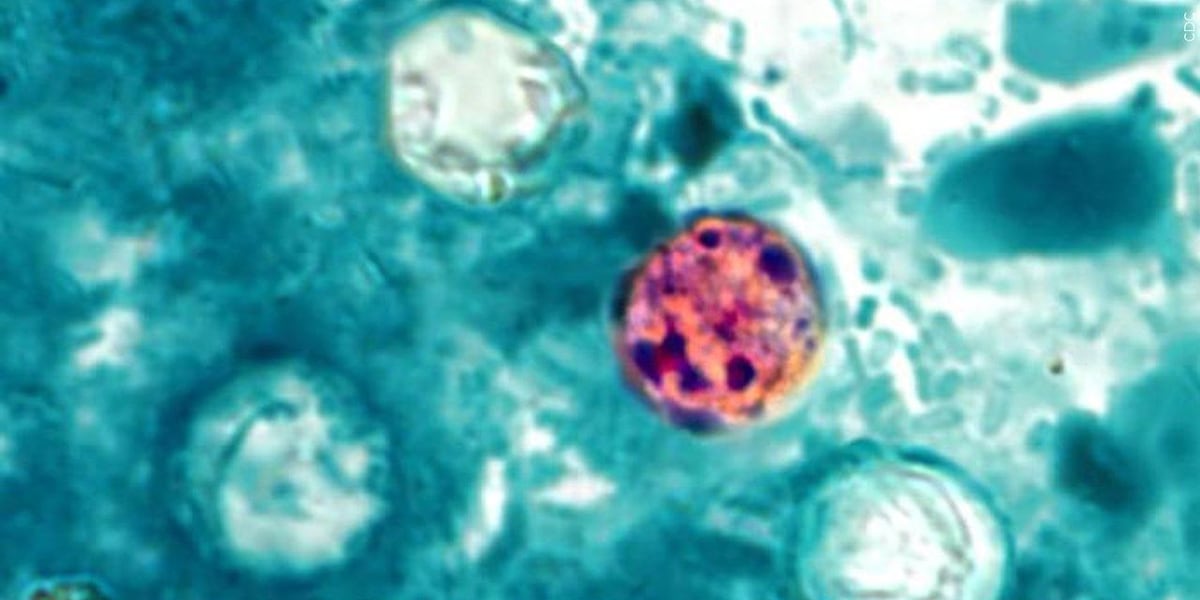
NORTH CAROLINA (WECT) – Cyclosporiasis, a parasitic illness that can cause diarrhea, vomiting and other symptoms, is rising across North Carolina and the U.S., health officials say.
As cases spike, local leaders stress that residents should stay informed and practice basic food safety, not panic.
As of July 21, North Carolina has reported a total of 561 cases. Since July 14, an additional 254 cases have been reported.
Wake County has reported the highest number of cases, with 350 as of July 21.
In New Hanover County, five people have been diagnosed with cyclosporiasis so far this year, according to a county spokesperson. Brunswick County has reported one case, and officials said that person contracted the illness while traveling abroad.
The FDA is investigating a potential connection between the outbreak and lettuce produced by a major national supplier.
However, state health leaders say they have not tested any lettuce here in North Carolina and explain the rise in cases here is a separate investigation.
“There are many fresh fruits and vegetables that can serve as vehicles for cyclospora,” said Dr. Carl Williams with NCDHHS. “So, our thought is that it’s likely, maybe probable, there are multiple vehicles for cyclospora. It’s not a single source or a single product from a single company.”
Williams say they’re working with the CDC to identify where the contamination is coming from.
“The issue now as you can imagine at the CDC, the numbers are so much larger this year,” he said. “They have a lot of specimens to go through and I suspect there’s a backlog and they’re behind. So, some of these things are going to take time.”
Diego Amorocho, a communicable disease team lead for the New Hanover County Health Department, said the illness is not new and follows a predictable seasonal pattern.
“It’s not anything new; we do have cases of this every year, and they do tend to increase or peak during these summer months as more people are eating fresh produce. Not something to necessarily be concerned about; most people do recover well,” he said.
Amorocho said people who are very young, elderly, pregnant or immunocompromised are at greater risk and should take extra precautions with food safety.
Officials from both New Hanover and Brunswick counties outlined several steps residents can take:
Cook your produce when possible — cooking kills the parasite at 158 degrees Fahrenheit.Wash all fruits and vegetables by rubbing or scrubbing them under running water, then dry the produce and discard the cloth to avoid cross-contamination.Cut away any damaged or bruised areas of fruits and vegetables.Follow recalls and advisories — stores and restaurants are generally quick to pull recalled products from shelves.
Brunswick County Health Director David Howard said diners can also take steps to assess food safety when eating out.
“Look at the score on a restaurant that they have to post. If it’s a high score of 95 or above, that typically indicates they are doing everything pretty much right,” Howard said. “We inspect them several times a year, and that score indicates how well they do across the board.”
Howard added that the same basics apply at home: clean hands, clean surfaces and safe food handling. He also encouraged residents to ask restaurants where their produce comes from if they have concerns.
“To some degree, there is always a little bit of risk to everything you do or everything you eat. Some common sense cleaning and precautions are in order for anything and everything you eat at home,” Howard said.
Health officials also warned that not all information circulating online is accurate, urging residents to rely on up-to-date guidance from local and state health departments.
More information on cyclosporiasis can be found here.
Copyright 2026 WECT. All rights reserved.
Dining and Cooking