
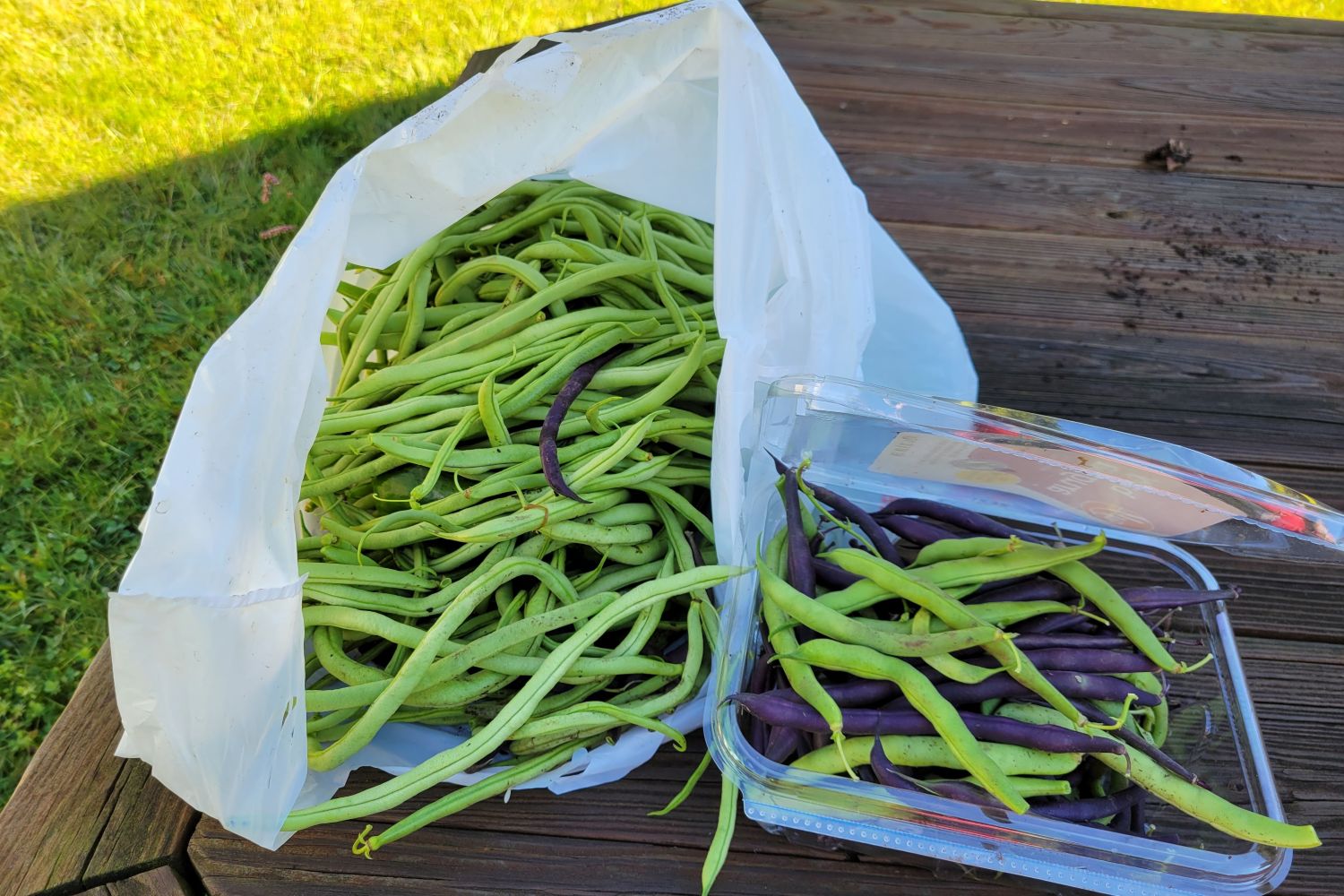
Each spring, thousands of seed packets distributed through the UConn Extension Master Gardener Program help cultivate much more than gardens. They support food security initiatives, youth education programs, pollinator habitats, community gardens, and environmental projects across Connecticut by providing free seeds to schools, nonprofits, municipalities, and community organizations.
Vicki DeLeo, UConn Extension’s Master Gardener coordinator in Tolland County, oversees the annual seed distribution program with support from numerous volunteers statewide, connecting the donated seeds with organizations that use them to strengthen their communities.
“This program is really about helping people grow,” says DeLeo. “The seeds support everything from food pantry gardens and youth programs to pollinator habitats and community beautification projects. Every packet has the potential to create learning opportunities, improve access to fresh food, and bring people together.”
In 2026, the program distributed thousands of seeds donated by Ocean State Job Lot, Hart Seeds, and the North Windham Home Depot. These generous donations make it possible for organizations across Connecticut to establish and expand gardening projects that serve local residents.
The ongoing commitment of the organizations is the foundation of the program’s success. “Hart Seeds is incredibly community-oriented and philanthropic,” DeLeo says. “Our partners are always interested in hearing how the seeds are being used and the impact they’re having in Connecticut communities.”
Feeding Communities
The seeds find their way into a wide variety of projects. Organizations receiving donations include senior centers, schools, municipal community garden programs, local food production initiatives, UConn 4-H clubs, and environmental projects focused on pollinator habitats and urban greenways. For many recipients, the seeds directly contribute to local food security efforts.
At the Enfield Rotary Garden, volunteers have donated more than 6,000 pounds of fresh produce to a local food pantry so far this year. Other community gardens across the state report similar impacts.
The Northwest Park Organic Demonstration Garden in Windsor uses the donated seeds to grow produce for the Windsor Food Bank while also serving as an educational resource for the community.
“We are so appreciative when there are offerings of free seeds,” says Kathy Beaty of the Northwest Park Demonstration Garden. “The UConn Master Gardeners volunteer with the planning, sowing, maintaining, harvesting, and distributing the produce to the Windsor Food Bank. We also offer monthly evening Summer Garden Gatherings to share our experiences, both triumphs and challenges, while enjoying the company of like-minded garden enthusiasts.”
The garden also serves as a hands-on educational site where Master Gardener interns learn about soil management, sustainability, integrated pest management, composting, and seed saving.
At the Tolland Youth Garden in Crandall Park, donated seeds help young gardeners learn while supporting local hunger relief efforts.
“The seeds donated by the UConn Master Gardener Seed Program to the Tolland Youth Garden have generated pounds and pounds of fresh produce given weekly throughout the growing season to the Cornerstone Kitchen in Vernon,” says Susan Mundy. “From leafy greens in the spring to beans, onions, squash, cucumbers, and tomatoes throughout the summer, we have donated more than 100 pounds of produce this season.”
Cornerstone Kitchen purchased a dehydrator to preserve fresh herbs because the garden herb production is so successful. Municipal community gardens are another beneficiary of the initiative. In East Windsor, seed packets are distributed to community gardeners and shared with residents during the town’s annual plowing event.
“I want to thank the UConn Master Gardener program for providing these seeds for our community,” says Anna Wasik of the East Windsor Agricultural Commission. “They are always very much appreciated by everyone we share them with.”
Wasik notes that children particularly enjoy receiving sunflower, carrot, and melon seeds, while gardeners frequently grow enough produce to share with the Five Corner Cupboard food pantry.
Environmental Impact
While many of the donated seeds help grow food, others support projects focused on environmental stewardship, pollinator conservation, and community beautification. Schools including Mansfield Elementary School and Hall High School in West Hartford use the seeds for educational gardens. UConn 4-H groups receive seeds to introduce young people to gardening and agriculture. Projects include establishing pollinator-friendly plantings and urban greening projects that support wildlife and improve local ecosystems.
Organizations such as the Kellogg Environmental Center in Derby, Pardee Rose Garden and Greenhouse in Hamden, the Leetes Island Garden Club in Guilford, and the Walsh Intermediate School Green Scene Club in Branford use seeds to establish pollinator-friendly plantings and educational gardens. The New Haven Free Public Library has incorporated the program into community outreach efforts, including a Pollinator Celebration Day that connects residents with resources for creating pollinator habitat at home. Through pollinator pathways, urban greenways, school gardens, and public demonstration sites, these projects provide vital habitat for bees, butterflies, and other beneficial insects while helping Connecticut residents learn about the important role pollinators play in healthy ecosystems.
The Hebron Interfaith Food Pantry utilizes donated seeds in multiple ways. Some seeds are grown in raised beds maintained by Master Gardener volunteers, with the harvest distributed through the pantry. Others are provided directly to food pantry clients for home gardens.
“The clients greatly appreciate the seed donation as well as the produce and herbs,” Diane Blume, a Master Gardener volunteer and pantry representative, shares. “They are encouraged to pick their own herbs and often comment on the positive impact this has on their health and how much they appreciate knowing that others care about them.”
For DeLeo, these stories and others demonstrate the true value of the program.
“When people think about seeds, they often think about what’s growing in the garden. But these seeds are also growing skills, confidence, healthier communities, and connections between neighbors. That’s the real impact.”
Through partnerships with seed donors, dedicated Master Gardener volunteers, and community organizations across Connecticut, the annual seed distribution program continues to transform simple seed packets into thousands of pounds of fresh food, hands-on educational experiences, and greener, healthier communities statewide.
Dining and Cooking