
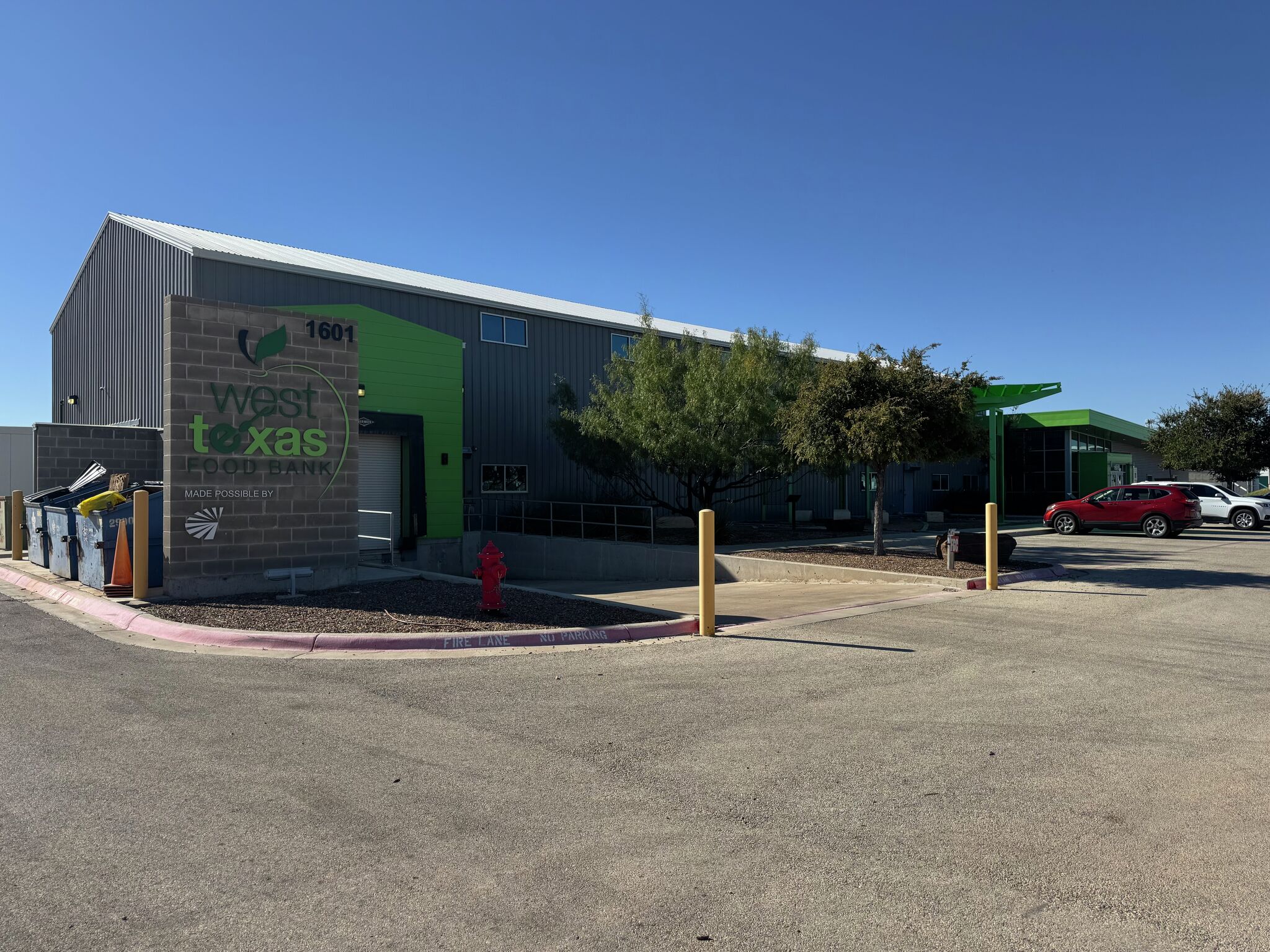
The West Texas Food Bank serves residents of 19 counties spanning 34,000 square miles of West Texas. That’s about the size of Maine, said Libby Stephens, the food bank’s CEO.
The surge in diesel prices has the food bank scrambling to continue providing food while coping with higher fuel costs.
“Our fuel budget has almost doubled since last year,” she told the Reporter-Telegram.
The food bank has adjusted its outreach to more remote areas and modified its drive-through operations to reduce operating costs, redirecting the savings to its fuel budget. Staff will also look for additional ways to be more efficient and reduce operating costs, she said.
At the same time, the food bank is seeing more demand from working families who don’t qualify for government assistance but are being squeezed by the rising cost of living, Stephens said.
“The one thing that’s movable in a budget is groceries,” she said.
Stephens said she has been talking with the food bank’s larger donors about helping to stabilize the budget until the direction of the economy is clearer. She said she also welcomes contributions of time or treasure from West Texans.
“I am hopeful and positive we will have people step forward and help out,” she said.
Gasoline and diesel prices have not affected the Salvation Army of Midland-Odessa, said Mikell McLaughlin, community relations and development coordinator.
“Our gasoline budget has not really increased yet, though it could in the coming weeks,” he told the Reporter-Telegram.
What is affecting the organization is higher food prices, he said. The Salvation Army is an open community kitchen, feeding anyone who walks in the door, he said. It serves three meals a day every day of the year.
“Think of your grocery budget and then think of that,” he said.
The Salvation Army is one of the food bank’s partners and receives food such as meat and vegetables.
“We can always use cash donations, even food donations,” McLaughlin said.
Dining and Cooking