
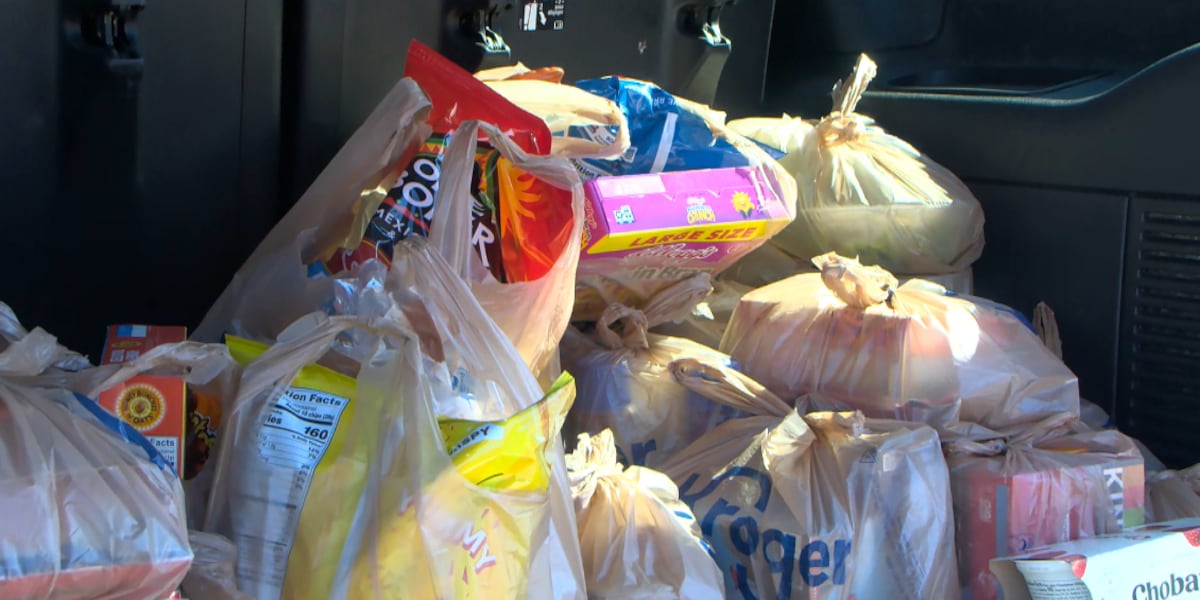
NASHVILLE, Tenn. (WSMV) – On the first day of the 2026 Tennessee Legislative Session, state lawmakers on both sides of the aisle have set their sights on the cost of living.
“I hear about it every single day, and even when I go to the grocery store in my own neighborhood, people come up to me and complain about the increased prices,” said Rep. John Ray Clemmons, a Democrat from Nashville and the Chairman of the House Democratic Caucus.
House Majority Leader Rep. William Lamberth says he also hears a lot of talk about prices, especially as inflation continues to bring up costs on everyday goods. That’s why he says changing the way the state of Tennessee taxes groceries is a top priority for him this session.
“There’s a lot of bills that’ll be filed over the next several weeks,” Lamberth said. “There’ll be hundreds of bills filed, but this is one of the most important ones in my opinion.”
Tennessee is one of 10 states that collects a tax on groceries. Consumers pay 4% in state taxes, and local governments can add up to 2.75% on top of that if they choose to.
Last year, the state legislature considered several proposals, from cutting the grocery tax to eliminating it altogether, but none of them made it to the governor’s desk.
HB0021, which would have eliminated tax on food and food ingredients completely, stalled out in the legislature, but is still eligible to move forward this year.
“Last year, when we were looking at the budget, the money just wasn’t there to be able to cut that tax, so it went behind the budget,” Lamberth said. “It is sitting there in finance sub, and is ready to reactivate the moment that we can figure out a way to fund that bill. That’s the conversation that we’re kicking off right here at the beginning of the session.”
Lamberth says he believes the legislature will be able to cut the tax this year without finding another source of revenue to replace it.
“I can go on and on of the taxes that we’ve cut, and we’re still able to make sure that teachers are getting raises, and state employees are getting raises, and roads are getting paved, and we’re taking care of just the needs of Tennesseans,” Lamberth said. “If we do this in a very methodical fashion, and we do it within a balanced budget, there’s no reason why we can’t continue to cut taxes this year.”
But Democrats like Clemmons aren’t so sure.
“The math doesn’t add up with their proposal,” Clemmons said. “We’ve got to find a way to fill in that revenue gap, and there are many ways to do that. We can repeal the governor’s welfare program, otherwise known as a voucher scam. We can look at some of these corporate tax breaks that we’ve given in recent years for no reason whatsoever, and we could legalize cannabis in the state of Tennessee. That would generate astounding amounts of revenue that we could use that money to put it right back into the pockets of Tennessee families.”

Clemmons worries that cutting the tax without making up the revenue would lead to cuts in other areas. Still, Clemmons plans to bring his own version of a bill to cut the grocery tax, which he says his caucus has been doing for years now without success.
“The Democratic Caucus has introduced a bill to repeal the grocery sales tax for the better part of a decade,” Clemmons said. “It’s finally starting to break through because people are facing increased costs, so it’s really starting to resonate.”
Copyright 2025 WSMV. All rights reserved.
Dining and Cooking