

SEATTLE — As Seattle leaders move to crack down on surveillance pricing – the practice of using personal information to set individualized prices for retail goods – grocery stores are warning the proposal could also jeopardize discounts and loyalty programs that many shoppers rely on.
The Fair Pricing and Transparency ordinance is expected to be introduced to the Seattle City Council on Friday. It would prohibit companies from using AI and personal information to set prices, with the goal of stopping the practice of charging some consumers higher prices than others based on their data.
Amanda Dalton, president of the Northwest Grocery Retail Association, says the current proposal is too broad.
“The way the ordinance is currently drafted there’s a lot of ambiguity and concern from the retailer’s perspective,” Dalton told KOMO News. “I think that every retailer’s member loyalty program, discount, savings, coupons, are at risk if it’s not written correctly.”
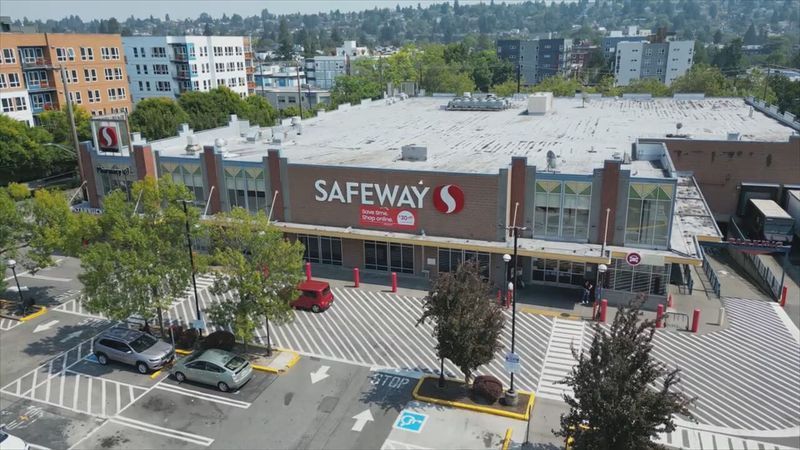
Seattle retailers warn proposal to ban surveillance pricing could gut discount programs (KOMO)
Dalton said her group – which represents 455 retailers in Washington – are hoping to work with the city council to draft a workable bill that lets them keep loyalty and discount programs.
“My members are not using personal information to drive grocery prices,” Dalton said. “The example we use with policy makers right now, you don’t want a bunch of dog food coupons if you own a cat. And if you buy cat food every week, we want to make sure you are getting cat food coupons. So that’s the type of stuff that we do targeted. And I think it’s important to note that consumers opt into a lot of these programs. They want these savings.”
AI surveillance pricing has drawn increasing scrutiny from both sides of the political aisle. This week, Senator Josh Hawley (R – Missouri), held a hearing in the Judiciary Committee regarding surveillance pricing.
He called the practice the “unholy trinity of everything Americans hate”.
“Spying on people, ripping them off, and taking away jobs,” Hawley said. “This is one of the biggest scams in American history.
The marriage between the AI industry and these mega corporations, and they’re trying to pull it off against every American consumer.”
The Federal Trade Commission has studied surveillance pricing, calling the practice a “shadowy ecosystem”. An FTC study found retailers tracking consumers’ web browsing history and use the data to suggest purchases and set prices.
“Early studies of the surveillance pricing ecosystem have found that different consumers can be offered different prices for the same online product, depending on factors collected about the consumer such as their location, the type of device they are browsing from, or the language of their device,” the FTC report found. “These effects have been observed across industries.”
In Seattle, Dalton says retailers have tried to work with the council and Mayor to craft an ordinance that would protect consumer data while preserving discount programs.
“The only people who lose if we get this wrong is consumers, and we’ve made that very clear to the Mayor’s team,” Dalton said.
Her group has launched Protect Seattle Savings in hopes of pushing city lawmakers to come back to the table to work with retailers on the proposal.
“We support clear protections that prohibit the use of personal information to charge consumers higher prices,” the group’s website says. “Over the past month, coalition members worked in good faith with the Mayor’s Office to improve the proposal. We offered comprehensive amendments that would prohibit the use of personal information to charge consumers higher prices while preserving the discounts and rewards programs consumers value. Unfortunately, the ordinance transmitted to the Seattle City Council does not address these core concerns.”
Dining and Cooking