
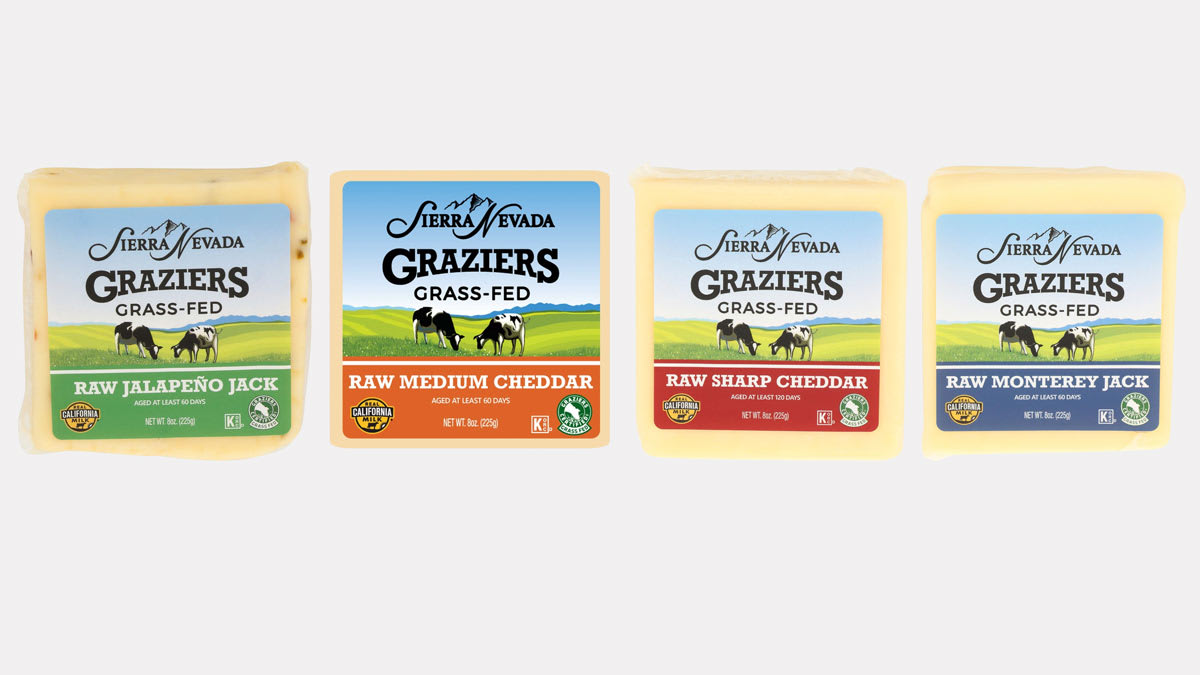
The Risk of Raw Dairy Products
Federal agencies and CR have long warned about the risks of consuming raw dairy products, especially raw milk, which can harbor dangerous bacteria, including listeria, cyclospora, and E. coli. However, the 60-day aging process used with certain cheeses has been thought to kill most bacteria.
In the last two and a half years, however, the U.S. has seen three other outbreaks related to raw cheese and raw milk: Raw Farms raw cheddar cheese in February 2024, Twin Sisters Creamery cheese in October 2025, and Raw Farms raw milk and cheddar in March 2026.
Because of such risks, James E. Rogers, PhD, director of product and food safety research and testing at CR, says most people should avoid raw milk and raw cheese, especially if you fall into one of the high-risk categories. “The aging process for raw cheese should eliminate most pathogens, but even the best studies show some can still remain,” Rogers says. “That’s why it’s especially important not to let very young children consume raw milk products, including cheese.”
Seek immediate medical care if you or a loved one experiences a fever higher than 102° F, diarrhea for more than two days that is not improving, or bloody diarrhea, or if you cannot keep liquids down or have signs of dehydration (not peeing much or very often, dry mouth, and feeling dizzy when standing up).
Consumers with questions about the recall can contact Sierra Nevada Cheese Company at 530-934-8662 between 11:30 a.m. and 8:00 p.m. ET Monday through Friday.
Dining and Cooking