
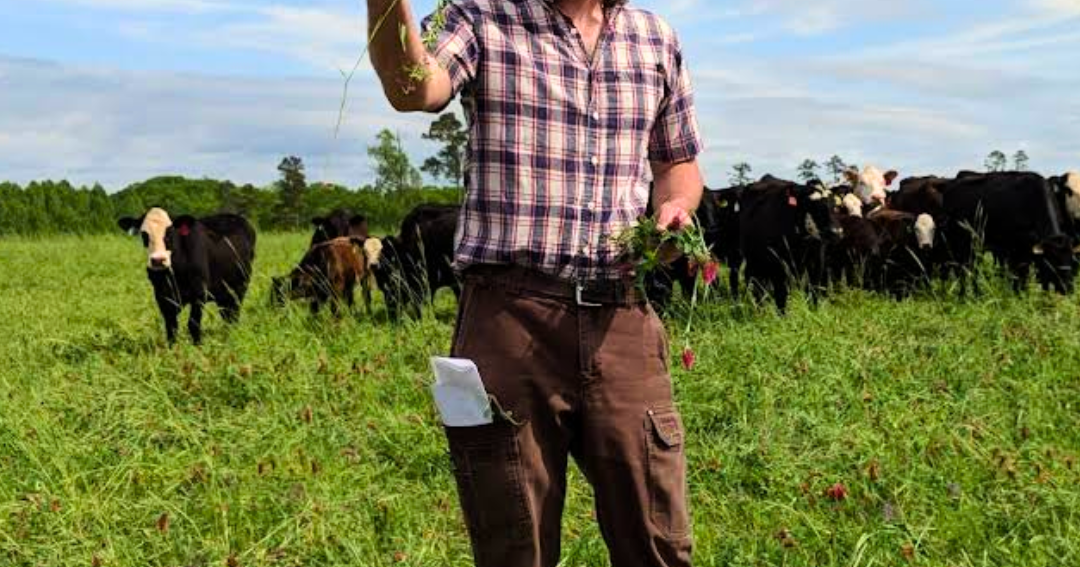
“I’m doing well right now, but that’s less than 1% of the whole industry,” Setzler said. “The cattle business as a whole is suffering from this.”
Indeed, many farmers have spoken out against the Trump administration policy. In August, CBS News cited concerns among many U.S. cattle ranchers that it could drive down the prices they receive for their cattle.
Shawn Harris, a Democratic nominee for the state’s 14th Congressional District and a rancher based in Georgia, told CBS News the plan could end up running cattle ranchers like him out of business.
“Right now, we got crazy input costs when it comes to tariffs and diesel, fertilizer, everything,” he is quoted. “And now farmers are about to sell cattle, and we’re going to lose money on this deal.”

Cattle on Ben Setzler’s farm, Hi Brau Beef in Newberry
Provided by Ben Setzler
Historically, Setzler said cattle are not very profitable as a business. A couple of years ago, however, prices rose, but tariffs have dropped prices again and the herd is continuing to shrink, he said.
Hi Bräu Beef’s focus is on quality, and he said people are coming to him worried about where their beef is coming from. As grocery store prices rise, his farm’s prices tend to stay the same, he said.
“I think people feel safer knowing that I can show them where that cow was grown, who processed it, how we keep it,” Setzler said. “They know exactly what they’re getting, and yet quality has always been our selling point.”
South Carolina restaurants
Cattle farms are not the only establishments affected by imports and rising beef prices. Robbie Robinson, owner of City Limits BBQ, said his restaurant is highly sensitive to price increases. City Limits, nationally recognized by such food authorities as the James Beard Foundation and Southern Living, is known for its beef brisket, the high costs of which trickle throughout his menu, he said.
Dining and Cooking