

How did you fare during the cyclospora parasite exploding-pants-embarrassment situation of this past summer? If you missed it (maybe you spent your summer sweating in Europe?), we’re speaking of the kerfuffle involving bagged lettuce, repugnant farm labor practices, Taylor Farms, Taco Bell, the CDC, and more than 10,000 sick people in Michigan alone.
While Minnesota seemed to have escaped the distribution list of said bagged salad, I can report that many of us were on high alert. As I write this, there’s no clear answer as to what or who actually was the source of this parasitic outbreak—only that it made millions of consumers across the country suddenly wary of raw produce in their stores and restaurants.
Personally, I got into discussions with people about the semantics of the word organic on grocery lettuce bags. Others I know created and shared social media content that highlighted news sources and current farm practices to help people feel empowered to make good choices about what they bought. But the biggest thing we in the food set saw was people advising others to look to their farmers’ markets and co-ops and shop local, which, while not a guarantee against illness, was at least a more educated (if not reliable) option.
Why does it take a crisis for us to come home?
While salad chains across the country saw their sales dip this summer, farmers’ markets were reporting gains in traffic.
It reminded me, honestly, of the pandemic. When everything was shutting down in 2020, our supply chains cut off by powers we could not control, what did we do? We got meat and produce boxes mailed from farmers who we knew shared weather with us. I still remember how thrilled I was when a box o’ chops from Y-Ker Acres showed up on my doorstep.
While salad chains across the country saw their sales dip this summer, farmers’ markets were reporting gains in traffic. Color me unshocked. The simple act of picking up a bundle of spinach and giving it the once-over before purchase is not the only point—so is the chance to engage with the person who grew it. Asking about the farm, who picks the produce, what they believe are the right ways to grow things—all these are ways to take a crazily vague and scary situation with our national food system and reshape it. It’s moving from passive to active. It’s seeing and feeling the fear and, instead of buckling, moving toward knowledge. Minnesotans tend to be very good at that.
While this feels small and anecdotal in the face of big government actions, I can assure you it’s not. The USDA reported in 2022 that direct sales by farmers to consumers had increased to more than $3 billion. Right, that’s still small radishes compared with the trillions invested in other household food spending, but it’s not nothing. Last year, a national study published by the Farmers Market Coalition and the University of Wisconsin showed that 80 percent of Americans go to a farmers’ market at least once per year, with 41 percent showing up six times or more per year. More telling is why they are coming: The survey showed that 48 percent reported that connecting with others in their community at the market was a big draw.
There it is. People are pulled to the markets not only for the freshest food but for the sense of connectedness with their community. By going from passive to active, they are building the local social capital that forms our networks of support. And by the way, this is all happening whether there’s an outbreak or not.
When we ask you to shop local, it’s not just about putting dollars back into the flow of the community. When we say to consume media from actual people who live here, it’s not about controlling a narrative. When we champion and choose small businesses who may never get a national award, it’s not because we think we need to live up to anyone else’s metric of what’s good and what’s right. It’s because we know how to build in quieter times.
This dirty-lettuce outbreak offers a moment of refocus, even if you didn’t feel the fear. For whatever challenging future might be ahead in terms of our national food system, we shouldn’t wait until the worst shows up to test the network.
If we know one thing, it’s that in times of crisis, we can go home, but only because we’ve solidly built that house during the times we didn’t need to.
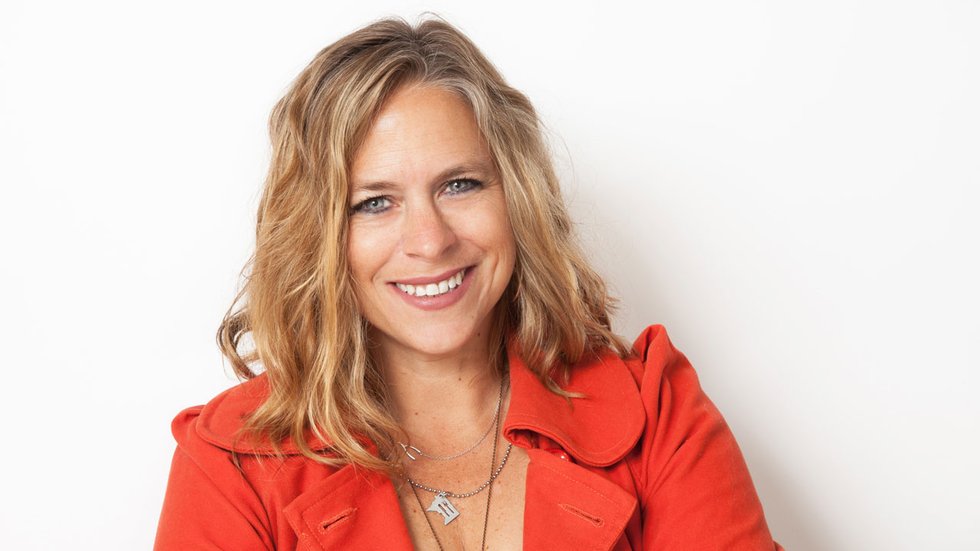
Stephanie March
Editor at Large Stephanie March contributes to Mpls.St.Paul Magazine’s food and dining coverage. She can also be heard Saturdays on her myTalk107.1 radio show, Weekly Dish, where she talks about the Twin Cities food scene.
Read more by Stephanie March
October 18, 2026
6:00 AM
Dining and Cooking