
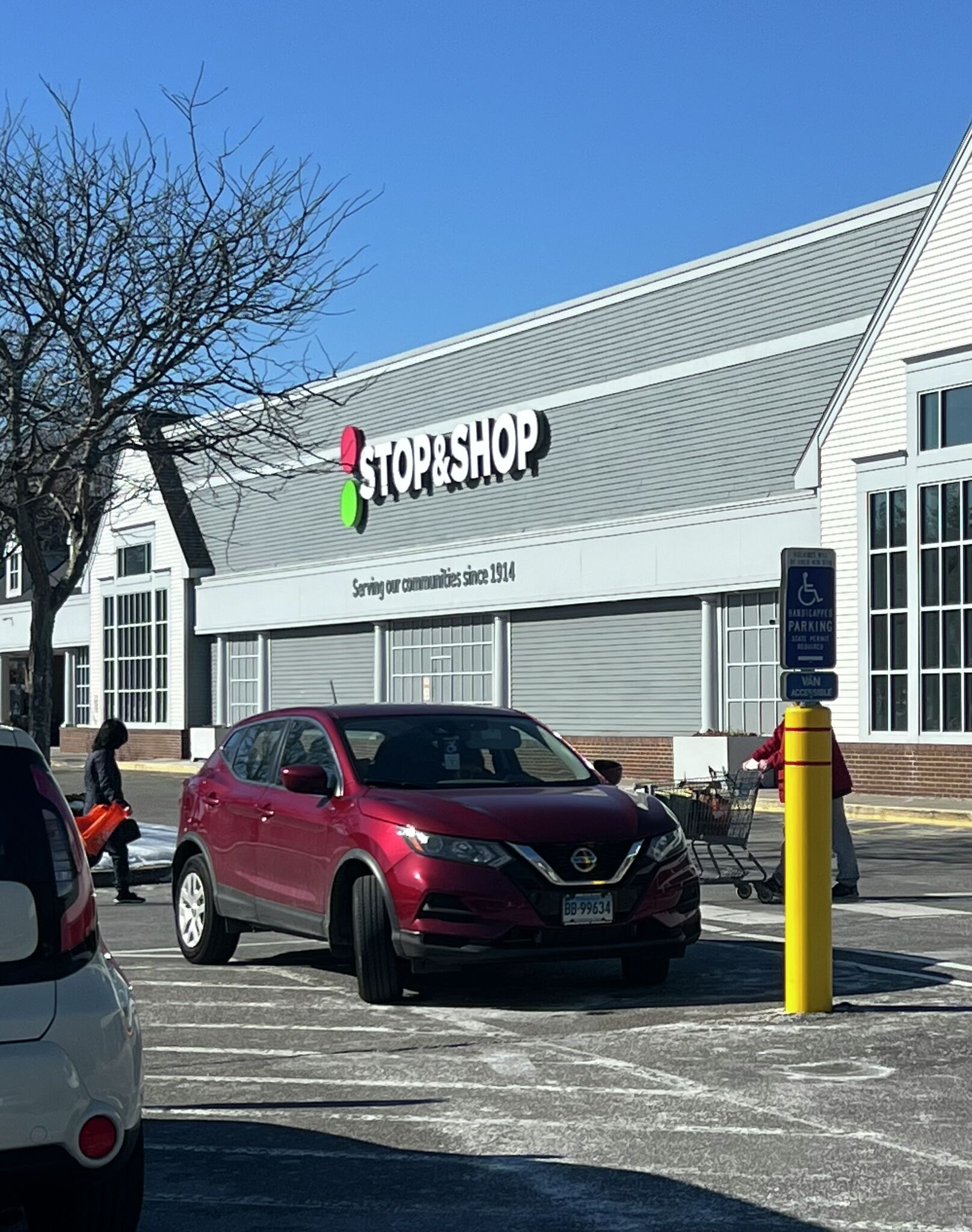
A cybersecurity breach affecting Stop & Shop’s corporate parent has forced Connecticut’s largest grocery chain to take its website and mobile app offline while the company works to resolve the issue.
The security breach at Dutch grocery giant Ahold Delhaize was first disclosed Monday. Stop & Shop, which operates 81 stores in Connecticut, is the state’s largest grocery chain by store count.
Company officials said Tuesday they had no estimate for when the website and app would be restored. Stephanie Cunha, a Stop & Shop spokeswoman, said, “There is no evidence that customer or associate data was compromised as part of this security issue.”
Regulatory filings last year showed the 2024 breach compromised the personal information of 2.2 million people. The exposed data included names, contact information, dates of birth, Social Security numbers, driver’s license numbers, financial account information and limited employment-related health data.
Customer payment information and pharmacy systems were not believed to have been compromised.
Experts differ on whether the incidents will affect consumer confidence.
David Cadden, professor emeritus at Quinnipiac University’s School of Business, doesn’t believe the latest incident will significantly affect customer traffic.
“Many people that get their groceries at Stop & Shop may not even know there has been” a cybersecurity incident, Cadden said. “Those people who are attuned to technology and are security conscious might be concerned, but I don’t know that they are that big a group.”
Burt Flickinger, managing director of the New York City-based retail consulting firm Strategic Resource Group, sees it differently. He said a second cybersecurity incident in such a short period puts Stop & Shop in a difficult position.
Consumers “may have forgiven them after the first time, but they probably won’t this time,” Flickinger said.
Flickinger said the cybersecurity incident comes as Stop & Shop is already dealing with other consumer concerns.
One issue, he said, is that Stop & Shop’s prices tend to run about 20% higher than many competing supermarket chains in New England. Another is the company’s decision to stop cutting meat in individual stores and instead process it at centralized facilities.
“It all adds up to eroding consumer confidence,” Flickinger said.
Dining and Cooking