
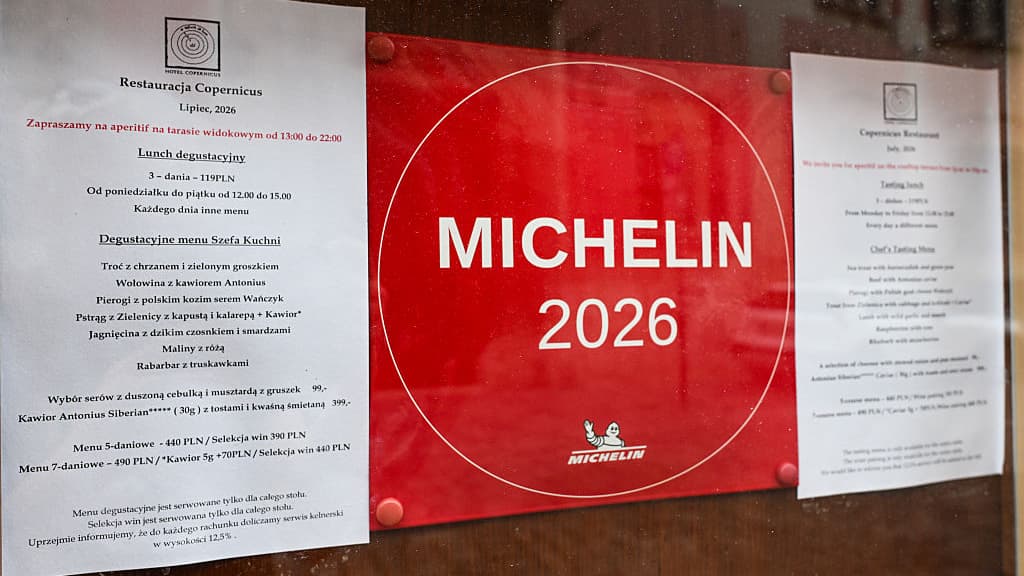
One reason: The arrival of the star and crimson plaque can alter the entire local food ecology around a restaurant. Suppliers and vendors, aware of a kitchen’s new status, often increase prices. Landlords like to raise rents. Staff, suddenly more marketable, must be paid more to be retained. The kitchen, chasing the standard the star implies, tends to reach for costlier and rarer ingredients. Every plate becomes more expensive to produce, yet few diners can absorb the escalating cost of eating there. That change can be lethal.
Fine dining, by its nature, runs on razor-thin margins. Exclusive guest lists cap revenue, rare ingredients inflate costs, and a kitchen brigade requires constant, expensive supervision and training. Consider what a plate costs at a typical three-star establishment: at Alain Ducasse au Plaza Athénée in Paris, Ducasse’s own three-star flagship, a single main course runs €80 to €135, and the tasting menu alone costs €260 to €360 per person, before wine, tax, or service—figures that hold across most three-star houses, where a full tasting menu routinely clears $400 to $600 a head once the bottle list is opened. Even at those prices, industry accounts suggest that margins remain thin once the true cost of labor, rare ingredients, and the theater of service is tallied. After all, the diner is paying as much for craft and spectacle as for food.
Dining and Cooking