
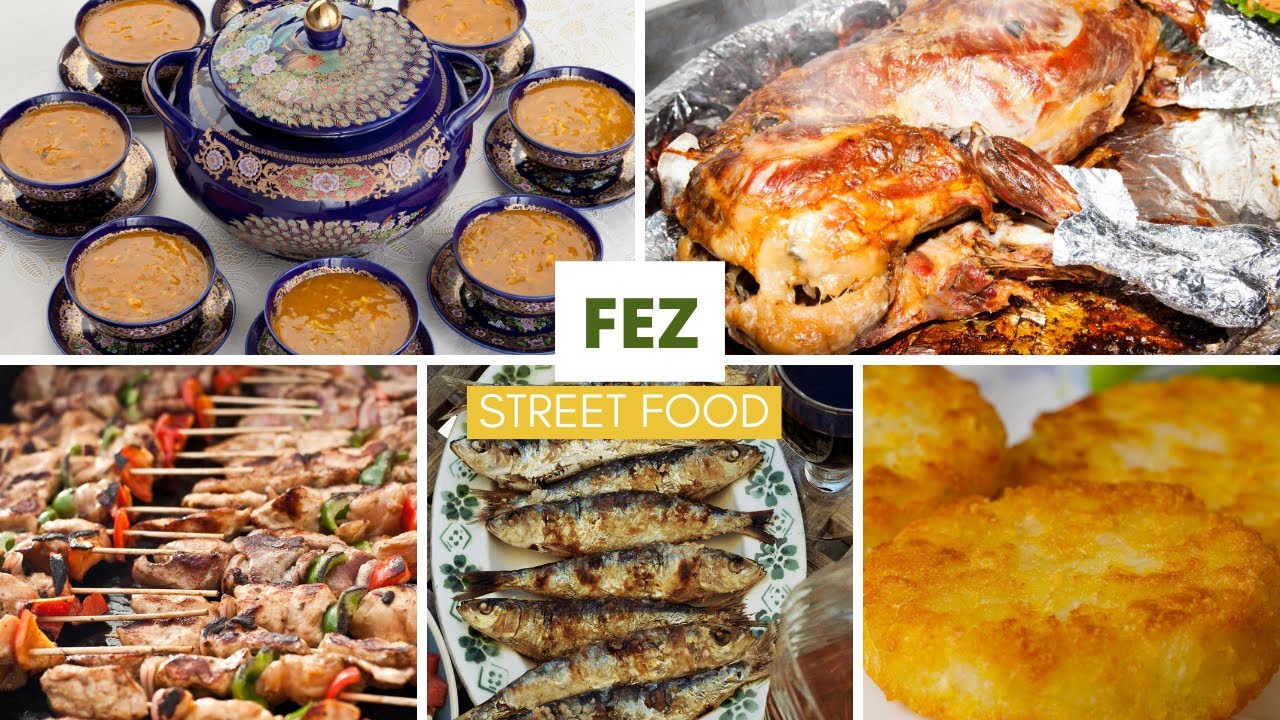
street food in fez best street food in fez prefect street food in fez
Exploring the streets of Fes will give you the opportunity to taste and discover many more delightful street foods beyond this list.
Harira: A hearty tomato-based soup, often served during Ramadan.
Mechoui: Slow-roasted lamb or goat cooked in a pit or spit.
Brochettes: Grilled skewers of meat, commonly chicken or beef.
Sardines: Freshly grilled or fried sardines, a seafood delight.
Maakouda: Fried potato balls, similar to a potato fritter
.
Fez, Morocco, is known for its vibrant street food scene that offers a wide variety of delicious and traditional dishes. Here are 30 popular street foods you might find in Fes:
00:00 intro
00:04 Harira
02:14 Mechoui
04:41 Brochettes
06:44 Sardines
08:47 Maakouda
_______________________________________________
#harira
#mechoui
#brochettes
#sardines
#maakouda
#fez
#streetfood
#street_food
Harira is a popular and traditional Moroccan soup enjoyed particularly during Ramadan to break the fast. However, it’s also savored throughout the year as a hearty and comforting meal. This soup holds cultural significance and is often considered a staple dish in Moroccan cuisine. Here’s an overview of Harira: Ingredients:
Tomatoes: Fresh or canned tomatoes form the base of the soup. Lentils: Red or brown lentils are commonly used. Chickpeas: Cooked chickpeas add texture and protein. Meat: Often includes lamb or beef, but sometimes chicken. Herbs and Spices: Cilantro, parsley, saffron, ginger, turmeric, cinnamon, and pepper are typical.
Onions, Celery, and Carrots: Chopped and cooked with the soup to add flavor and depth. Lemon Juice: Added for a tangy flavor just before serving. Preparation: Cooking the Meat: The meat is usually browned in the pot with onions and spices before adding the rest of the ingredients.
Adding Ingredients: Lentils, chickpeas, tomatoes, and a variety of spices are added, followed by water or broth. Simmering: The soup is simmered for a considerable time to allow the flavors to meld and the ingredients to soften. Finishing Touches: Just before serving, fresh herbs and a squeeze of lemon juice are added
To brighten the flavors. Serving: Harira is often served with dates and chebakia, traditional Moroccan pastries, to complete the meal. It’s commonly enjoyed as a starter to break the fast during Ramadan but can also be a wholesome dish on its own, accompanied by Moroccan bread like khobz.
Mechoui is a traditional Moroccan dish that involves slow-roasting a whole lamb or a goat, resulting in tender, succulent, and flavorful meat. This method of cooking is particularly popular during festive occasions, celebrations, weddings, and other special gatherings in Morocco. Here’s an overview of Mechoui: Preparation:
Selection of Meat: The whole lamb or goat is chosen and prepared, often marinated or rubbed with a spice mixture before cooking. Spice Rub: A mixture of spices such as cumin, paprika, coriander, garlic, ginger, saffron, and other aromatic spices might be used to coat the meat.
The choice of spices can vary depending on personal preferences or regional recipes. Slow Roasting: The meat is traditionally cooked in a special underground oven called a “ferran” or a pit dug in the ground, lined with charcoal or wood. It’s also possible to use a specialized grill or rotisserie.
The meat is roasted slowly for several hours, allowing it to cook evenly and develop its flavors while maintaining tenderness. Basting and Turning: During the roasting process, the meat is often basted with its own juices or a mixture of spices and oil to keep it moist and flavorful.
It might also be turned periodically to ensure uniform cooking. Resting and Serving: Once cooked, the meat is allowed to rest for a while before being carved into portions and served. It’s traditionally served with bread, Moroccan salads like zaalouk or taktouka, and sometimes accompanied by harissa (a spicy chili paste) or other condiments.
Serving Style: Mechoui is commonly served as a centerpiece at celebratory feasts or events, where the roasted meat takes pride of place. It’s an opportunity for people to gather and enjoy this delicious, tender dish together. Brochettes are a popular street food in Morocco and many other parts of the world, typically
Consisting of skewered and grilled meat. In Morocco, brochettes are a beloved and flavorful dish found in street markets, food stalls, and restaurants. Here’s an overview of brochettes: Preparation: Meat Selection: Brochettes can be made using various types of meat, such as beef, lamb, chicken, or even fish and seafood.
The meat is usually cut into cubes or strips. Marination: The meat is often marinated in a blend of spices, herbs, and sometimes yogurt or citrus juices to enhance its flavor and tenderness. Common spices used in the marinade might include paprika, cumin, coriander, garlic, ginger, turmeric, and more.
Skewering: After marinating, the meat pieces are threaded onto skewers, either metal or wooden (if wooden, they’re usually soaked in water beforehand to prevent burning). Grilling: The skewers are then placed on a grill or barbecue, where the meat is cooked over an open flame.
It’s crucial to turn the skewers regularly to ensure even cooking and to achieve that perfect charred exterior while keeping the meat juicy and tender inside. Serving: Brochettes are often served hot, right off the grill. They can be accompanied by various sides, such as Moroccan bread (khobz), salads like
Cucumber-tomato salad or zaalouk (eggplant and tomato salad), or even served with fries or grilled vegetables. Some vendors or restaurants might also offer a dipping sauce or condiment, like harissa or a yogurt-based sauce. Grilled sardines are a simple yet delicious Moroccan dish that highlights the natural flavors of this popular fish.
Here’s a step-by-step guide on how to prepare grilled sardines: Ingredients: Fresh sardines (cleaned and gutted) Salt Pepper Moroccan spices (optional) Olive oil Lemon wedges (for serving) Instructions: Prepare the Sardines: Ensure the sardines are cleaned, gutted, and rinsed thoroughly under cold water. Pat them dry with paper towels.
Seasoning: Season the sardines generously with salt, pepper, and any Moroccan spices you prefer. Traditional Moroccan spices might include a blend of paprika, cumin, coriander, or a pre-made spice mix like ras el hanout. This step adds flavor to the fish. Preheat the Grill: Preheat a grill to medium-high heat.
It’s best to use a charcoal grill or a gas grill for an authentic smoky flavor, but an indoor grill or grill pan works well too. Grilling: Brush the grill grates lightly with olive oil to prevent the fish from sticking. Place the seasoned sardines directly on the grill.
Grill the sardines for about 3-4 minutes on each side, depending on their size. Avoid overcooking to keep the sardines moist and tender. They should be nicely browned and cooked through. Serve: Once the sardines are cooked, transfer them to a serving plate.
Drizzle a little extra olive oil over the grilled sardines for added flavor. Serve the grilled sardines hot, accompanied by lemon wedges for squeezing over the fish before eating. Maakouda (also spelled “Maqouda” or “Makouda”) is a popular Moroccan street food, essentially a type of potato fritter or potato cake.
It’s a delicious and simple dish made from mashed potatoes mixed with herbs and spices, shaped into patties, and then fried until crispy. Here’s a basic recipe to make Maakouda: Ingredients: 4-5 medium-sized potatoes, peeled and boiled until tender 1 small onion, finely chopped 2-3 cloves of garlic, minced
1/4 cup chopped fresh parsley and cilantro (or a mix of your preferred herbs) 1 teaspoon ground cumin 1 teaspoon paprika Salt and pepper to taste Vegetable oil for frying Instructions: Prepare the Potatoes: Peel the potatoes and cut them into chunks. Boil them in salted water until they are fork-tender.
Drain well and mash them thoroughly in a mixing bowl. Prepare the Mixture: In the mashed potatoes, add the chopped onion, minced garlic, chopped parsley, cilantro, ground cumin, paprika, salt, and pepper. Mix everything well to combine the ingredients evenly. Shape the Maakouda: Take portions of the potato mixture and shape
Them into small patties or round cakes, about the size of the palm of your hand. You can flatten them slightly to make them cook more evenly. Frying: Heat vegetable oil in a frying pan or skillet over medium heat. Ensure the oil is hot enough for frying.
Carefully place the shaped Maakouda patties into the hot oil, working in batches to avoid overcrowding the pan. Fry them for about 3-4 minutes on each side or until they turn golden brown and crispy. Draining and Serving: Once fried, remove the Maakouda from the oil
And place them on paper towels to drain any excess oil. Serve: Serve the Maakouda hot as a delicious snack or part of a meal. They can be accompanied by dipping sauces like harissa or enjoyed with a side of salad and Moroccan bread.
1 Comment
اكل جميل