
Hi, Everyone!
I am new to baking and still trying to figure shit out. For some dumb reason, I started with sourdough I stead of literally any other type of baking. I'm trying to learn the science. 😂
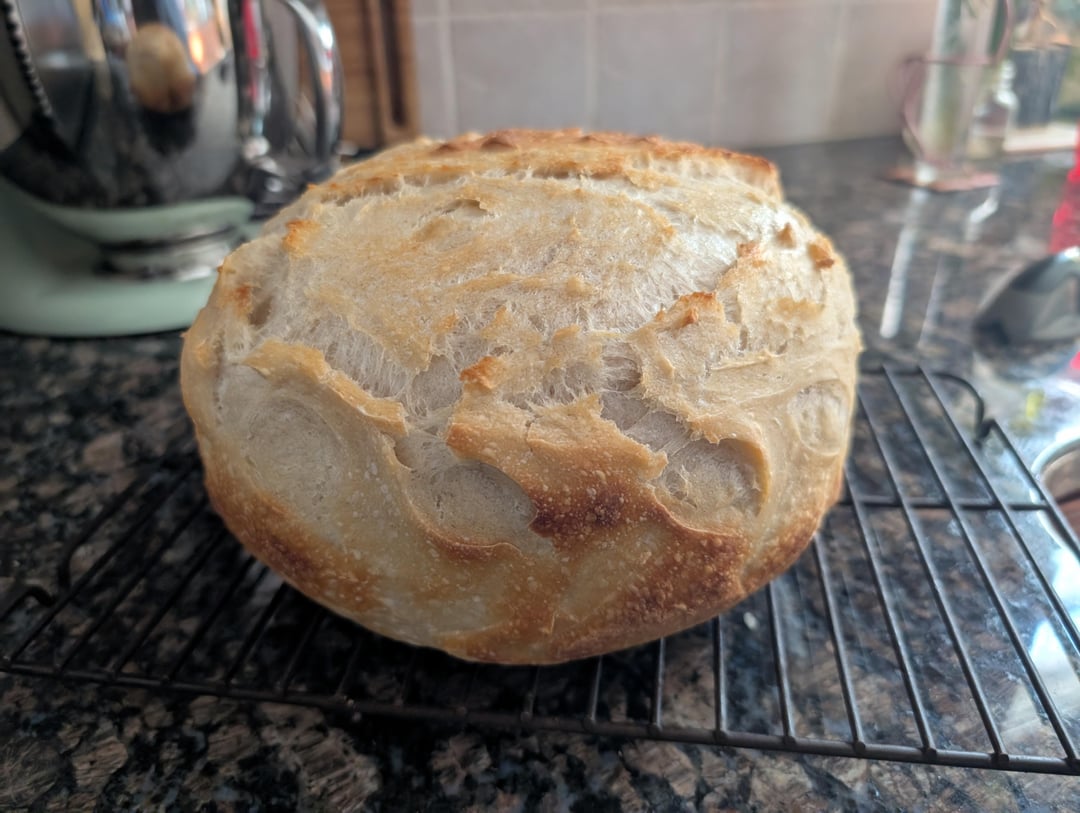
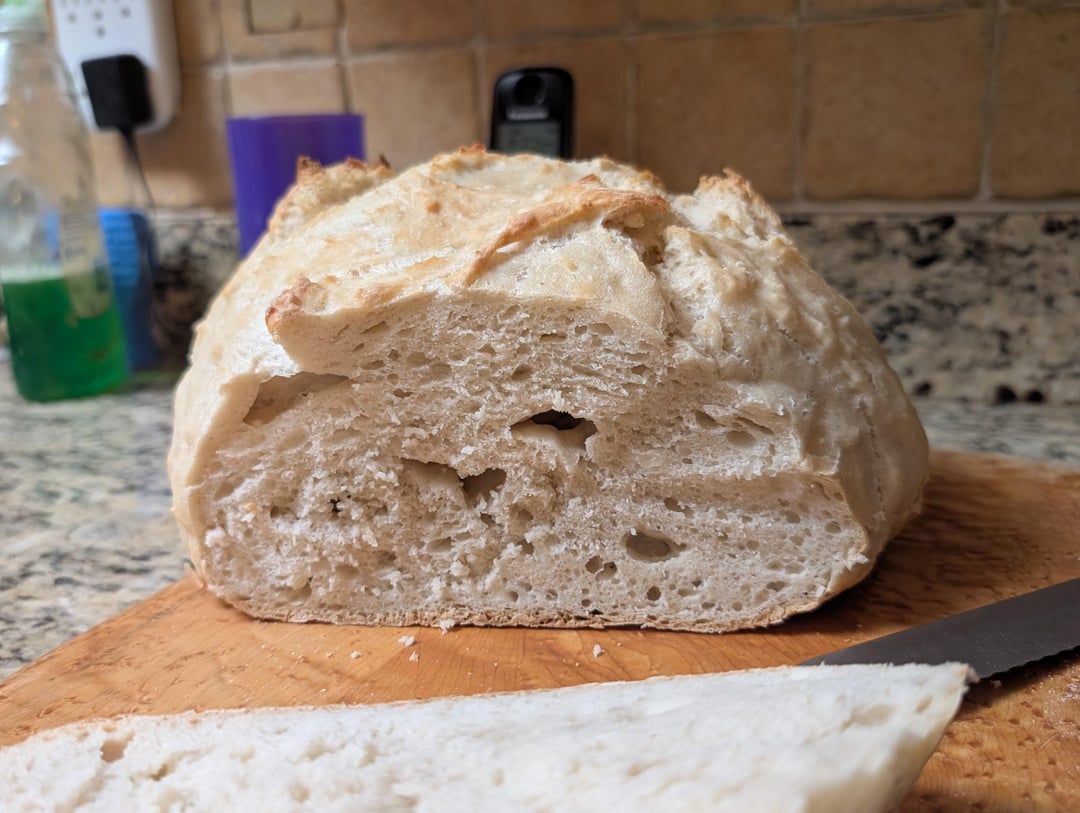
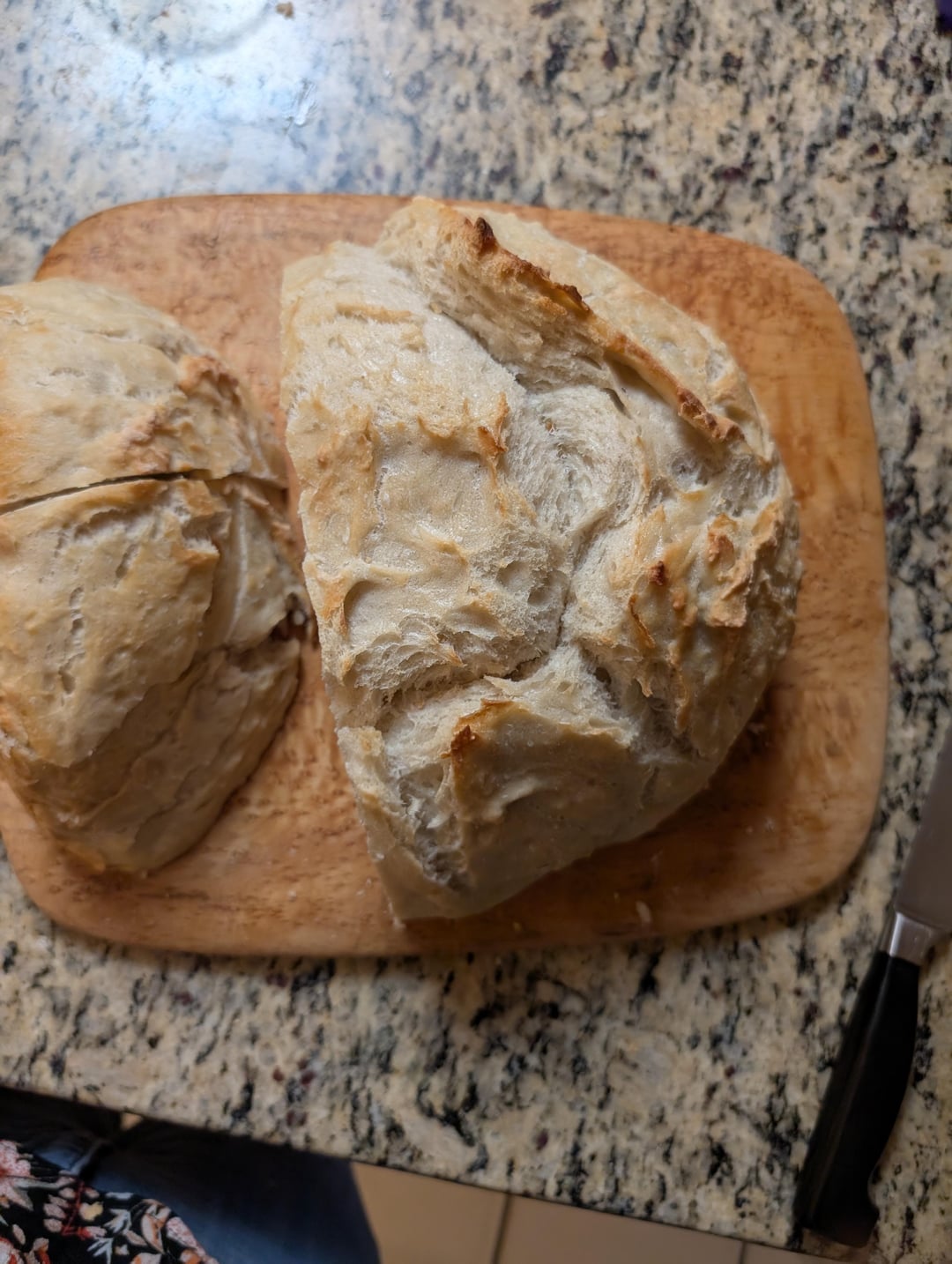
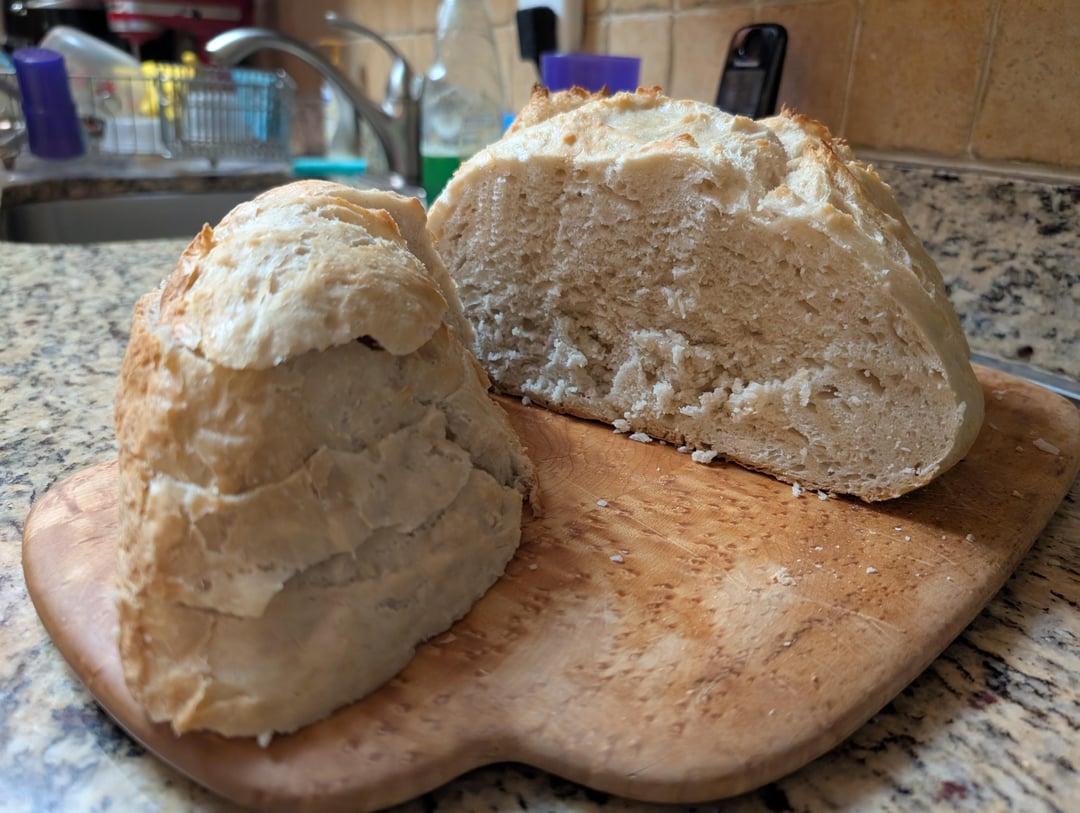
Yesterday, I baked this Pantry Mama recipe, but I used ACTIVE starter. I made two double-sized loaves in dutch ovens. The first loaf was made with yeast AND active starter. I know this is not sourdough because it had yeast.
I saw someone ask if active/fed starter could be used in place of yeast. The author/baker said yes.
In my second double-sized loaf, I omitted the yeast. I had it rising on my counter for a few hours. I popped it in the fridge when I left to go to Thanksgiving dinner. I took it out when I got home a few hours later. It definitely rose a good amount more. I did a few stretches and folds. I shaped it and threw it in the fridge at the end of the night and baked it today. Does this make it official sourdough?
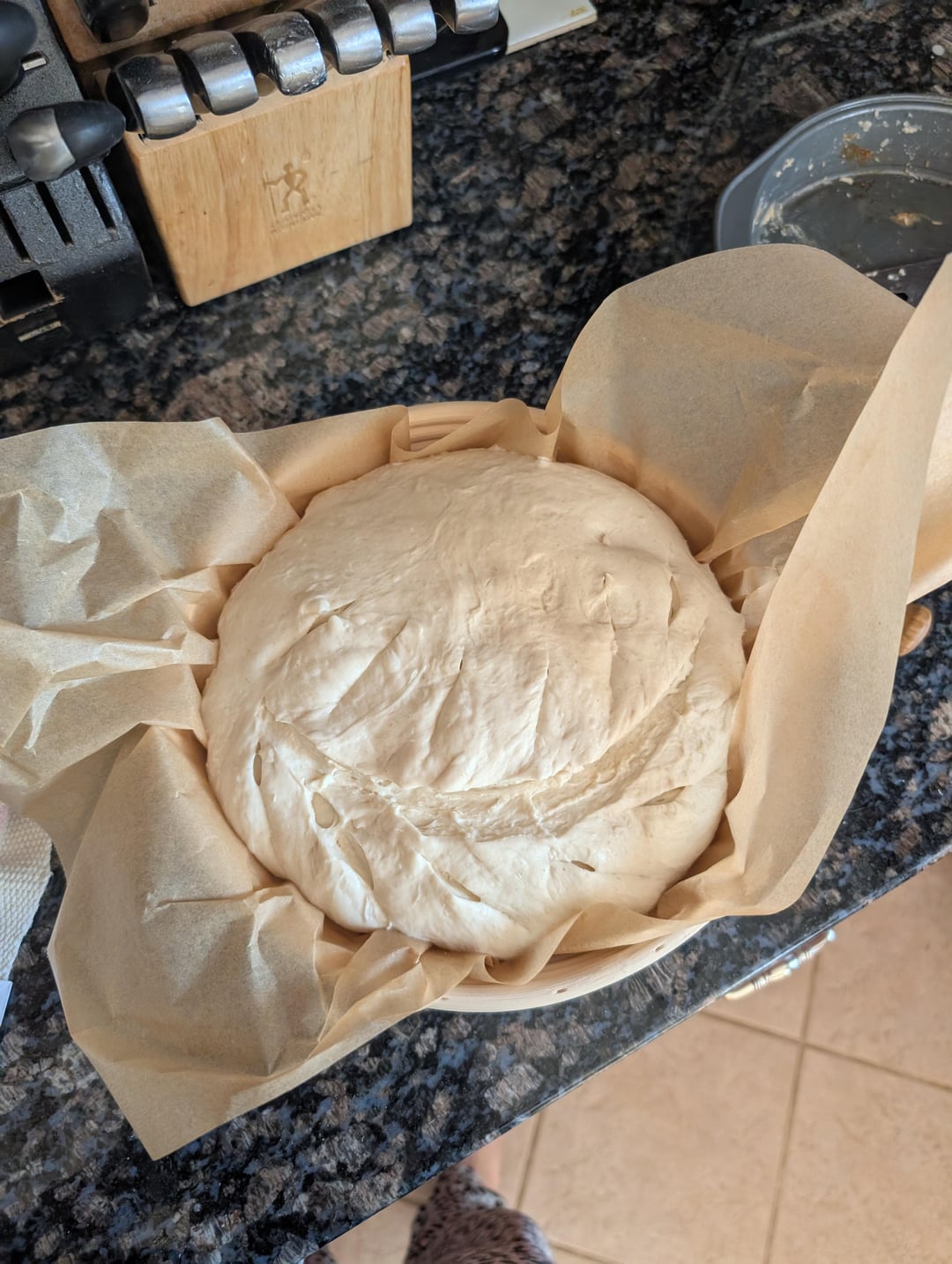
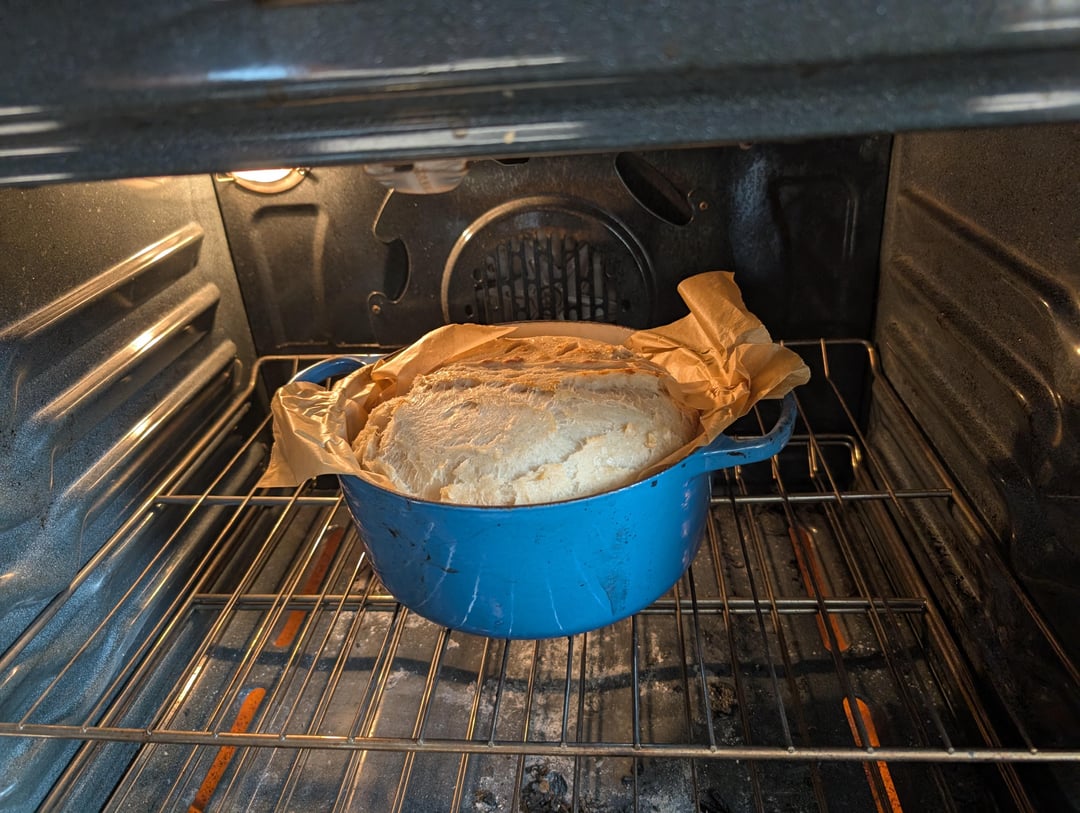
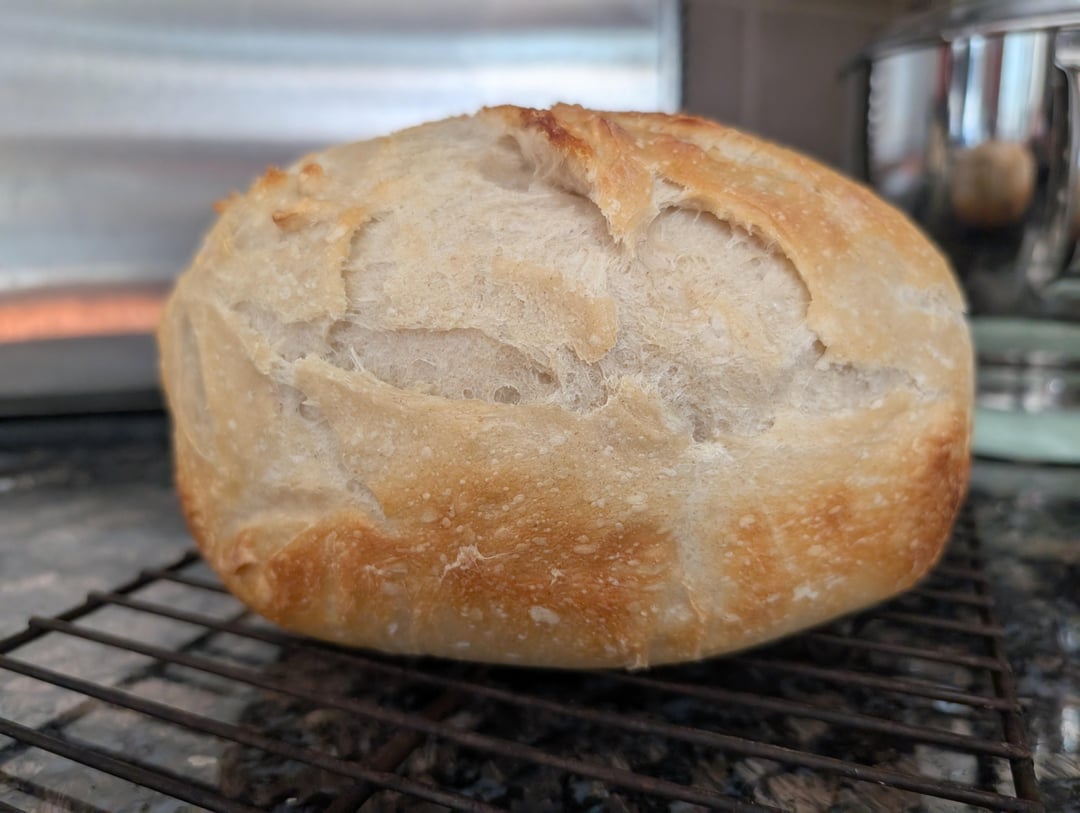
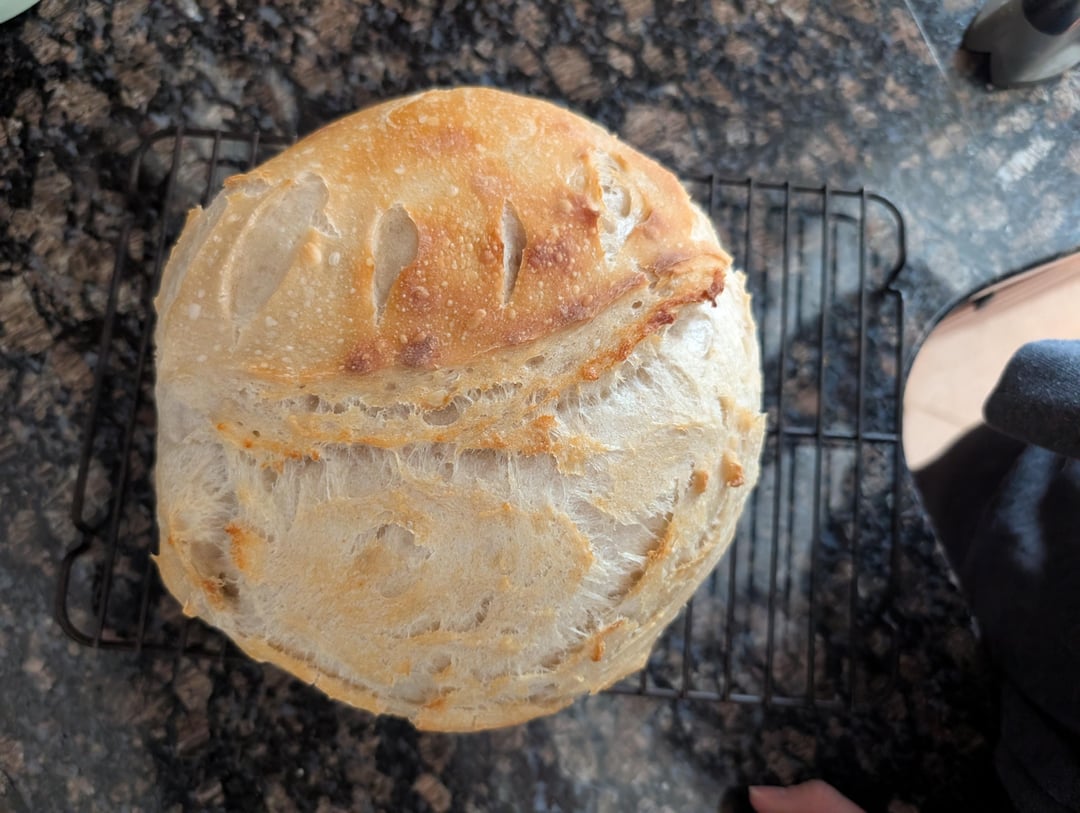
If so, I'd love some feedback. I will post a crumb shot when it cools for more feedback. Pictures 1 though 5 are the yeast-free recipe. The last 3 pictures, pictures 6-8, are the discard yeast loaf.
I understand that sourdough is creating natural yeast as a rising agent. I guess people would say not to use active/fed starter in the discard loaf so that you don't rise too much?
Thanks for helping out a newbie! 💕
by marleyrae
14 Comments
A lot of commercial companies use instant yeast in their sourdough for predictable rise times.
A lot of newbie recipes include it as well for more or less the same reason: success.
Bread is food.
Anything that doesn’t use commercial yeast is sourdough…fed or unfed.
And I think starting with sourdough is best, because you won’t have to unlearn techniques from yeasted bread, like no “punch down or double rise” and working with higher hydration than commercial yeast bread.
Sourdough is mainly learning to use time and temperature where you are, to make a good bread. That’s all.
Your starter is a culture of yeast and bacteria. The act of making bread from that starter, and allowing it to naturally ferment and rise over 10-24hrs is indeed sourdough 🙂 so, well done!
Now, using packet yeast will still yield a sourdough, it’s just not going to have as many of the health benefits since it proofs faster than a slower fermented loaf from active starter.
I think hybrid bread is still sourdough even though it only takes 3-4 hours. Sometimes you don’t want to babysit some wet flour the entire day. And it tastes nearly the same.
Not sure what you mean by discard loaf. If you have an active starter, there’s no need to ever have discard. And the stretches and folds are done at the beginning of the fermentation, to help develop the gluten. After the dough has written more or less pointless to do more of them. The rising of the dough will be stretching it on its own. That was the whole point of no knead bread.
The term sourdough is unfortunate. It’s really a misnomer. What you have is what the French call a levain, which has been used for centuries. The term sourdough is associated with the gold seekers in 1849, who legend has it, would keep the levain and drink the hooch, the truth of which is questionable. But nothing need be sour. And assuredly those guys were not planning their days around baking.
Send it to me and I’ll check it out!!! 😋
It counts. I’ve done a James Morton recipe for brioche that I recall using both.
Pantry mama has a good easy sourdough bagel recipe that I make every week. I refrigerate the dough for 24hrs after proving overnight at room temp and it comes out great every time.
Sure looks good
Technically smechnically. As long as it tastes good then that’s great!
I do have some questions about how you’re using that banneton though. Is there a reason you do it like that rather than the usual way?
Looks good but I feel like this could use way more time in the oven!
If it has sourdough in it, many would consider it sourdough. I wouldn’t, because to me sourdough means the grains have been fermented a certain degree, which doesn’t have time to happen when yeast leavens the bread. So if you were, say, selling it, I wouldnt consider it sourdough, just as commercial storebought sourdough really isn’t fermented sourdough either.
Sour doh! But I am very proud of you. That still looks better than most of mine.
Id eat it
This is a rectangle vs square situation. You can make sourdough with commercial yeast – sourdough is defined in the name, the dough should have a sour flavor. This flavor is achieved through a long fermentation process, which can be facilitated using commercial yeast by either using a very small amount of yeast, doing a cold ferment, or a combo of the two. When sourdough purists mention ‘sourdough,’ they usually mean ‘wild yeast fermented bread.’ Which again, is sourdough because wild yeast starters require longer bulk ferments than commercially leavened breads, but takes it a few steps further by having a more diverse yeast culture than the monoculture commercial variety, which results in more developed flavor as the different strains in a wild yeast cultures are able to break down more of the flour to develop deeper flavor.
Tl;Dr I would call your loaf sourdough, and most commercially produced ‘sourdough’ loaves use fresh yeast.