
#VeganPasta #Strozzapreti #ItalianCooking #PlantBased #HomemadePasta
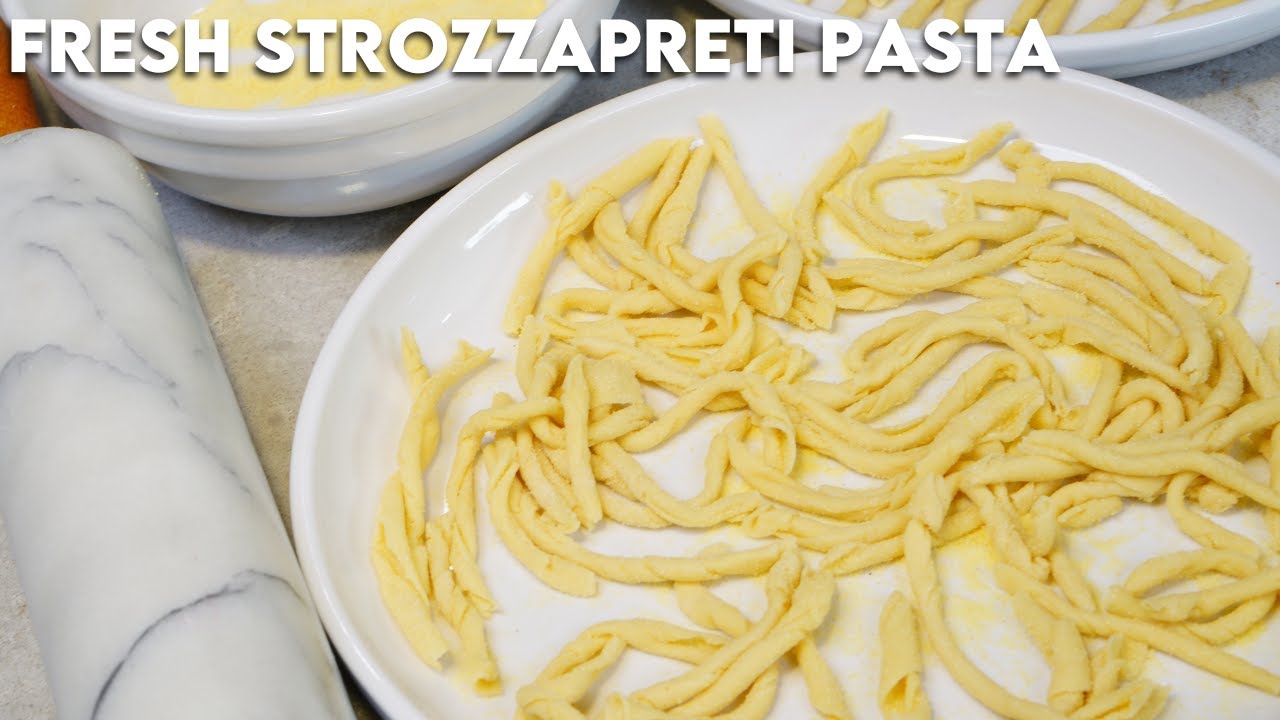
Craving a hearty, homemade pasta dish that’s also vegan and egg-free? Look no further! In this video, we’ll show you how to make delicious strozzapreti pasta, also known as the priest choker, from scratch.
Strozzapreti pasta has a fascinating and somewhat controversial history that dates back to central Italy, particularly the regions of Emilia-Romagna, Tuscany, and Umbria. The name “strozzapreti” literally translates to “priest-choker” or “priest-strangler” in Italian, which has led to various theories about its origin:
One popular theory suggests that the name reflects historical anticlerical sentiments among the peasantry. During times when the Catholic Church held significant power and collected tithes from the poor, some people joked that the pasta was so good that greedy priests would eat it too quickly and choke.
Historically, strozzapreti was a “poor man’s food,” made without eggs, which were considered a luxury. The traditional recipe used only flour and water, making it an early example of what we now call vegan pasta.
Despite its controversial name, strozzapreti became a beloved part of central Italian cuisine. Today, it’s enjoyed throughout Italy and around the world, appreciated for its rustic charm and ability to hold sauces well due to its twisted shape.
You’ll discover:
• The simple ingredients for egg-free pasta dough
• Techniques for hand-rolling and shaping strozzapreti
• Tips for achieving the perfect texture
• Suggestions for vegan sauces that pair well with this pasta
Whether you’re vegan, have egg allergies, or just want to try something new, this recipe is perfect for pasta lovers looking to expand their homemade repertoire.
Don’t forget to like and subscribe for more plant-based Italian cuisine tutorials!
Ingredients
100 Grams “00” Flour
100 Grams Semolina flour
100 ML Warm water
Pinch of Salt
Instructions
– Mix your two flours together so they are well combined. Pour them onto your work surface in a mound, add your pinch of salt and then create a small well in the middle of the flour.
– Add a little bit of the water while using a fork to mix it slowly with a fork. As it becomes combined, stir in more of the flour from the top of the mound while keeping the walls of the mound intact.
– Repeat the process until all of the water has been added and switch to your hands to begin the kneading process. Slowly knead the dough and incorporate all of the flour on the work surface into your ball.
– Once the dough has formed a ball start a timer for 10 minutes and continue kneading the dough the entire time. The dough will be shaggy and rough to start but by the end of the 10 minutes it should have a somewhat smooth surface.
– Once the dough ball is nice and smooth, place it in a bowl, cover with plastic wrap and allow it to rest for 30 minutes.
– After 30 minutes, flour your work surface, cut your dough ball in half and begin rolling out your dough. If you have a pasta machine you can begin on the largest setting, rolling the dough out and continuing to flatten out your dough until the “5” setting on the dial.
– If you don’t have a pasta machine, roll your dough until it is around an ⅛” thick or a little under.
– Next sprinkle semolina on the face of the dough. Starting on one side of the dough gently fold the dough over onto itself, about a ¾” of inch fold. Repeat that step for the opposite side of the dough. Sprinkle more semolina on the face of the fold you’ve created and repeat that process until the two sides have met in the middle.
– Starting on one side, cut the dough into strips about the size of pappardelle. After everything is cut, sprinkle some semolina onto a plate and begin unfolding the strip of pasta and placing them onto the plate.
– To form the strozzapreti, pick up a strip, hold it in the palm of your hand, with your other hand, fold the strip in half and then rub your hands together, twisting the strand into a round twisted piece.
– Next, break the dough strand off at the point where the dough is flat and not twisted. Move that next portion of the strand, into the palm of your hand and repeat the process with the remaining cut strands and the remaining portion of the dough.
– Once that is all done, you can cook your fresh pasta for around 3 minutes and serve with your favorite sauce or topping.
– If you’d like to store the pasta, put any remaining formed pasta onto a tray or plate and put it into the freezer. Once it is frozen it can be put into a sealed bag for storage. When you’re ready to use it, get your water boiling and cook the pasta from frozen, do let it thaw out.
👍 Don’t forget to like, comment, and subscribe to Pizza with Plants for more delicious plant-based recipes! 🌿🍕
🌟 🎞️ Awesome Editing by the Amazing Tweaky Tales Team🎞️ 🌟
www.thetweakytales.com