
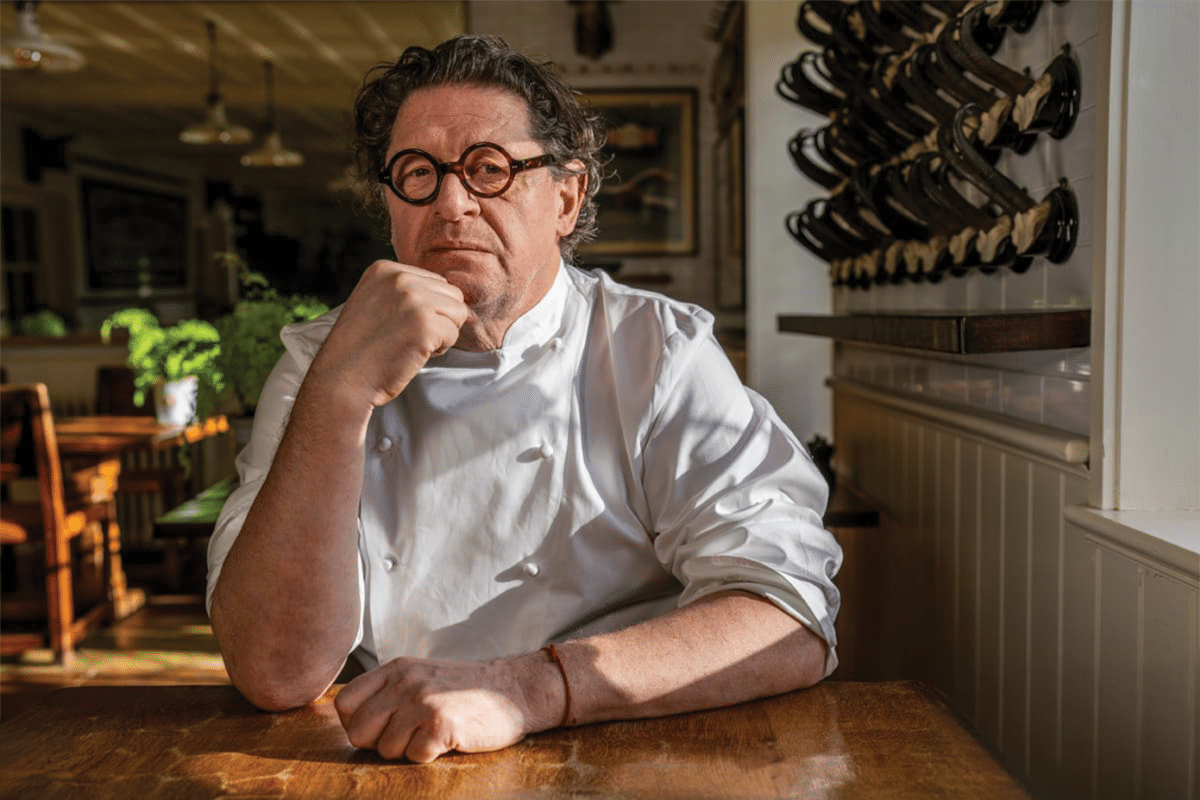
In a year in which Marco Pierre White’s partially autobiographical book, White Heat, turns 35, it is odd to find him talking about home-delivered meal programs in Dubai. And yet, here we are. Seated in a boxy industrial kitchen in Al Quoz.
In the classic cookbook from his youth, the young White – square-jawed and rumple-haired – resembles something out of a Caravaggio painting in a series of black-and-white photographs taken by the photographer Bob Carlos Clarke at his renowned London restaurant, Harveys.
However, despite decades passing and White Heat being credited as the first chef memoir, continuing to influence and inspire chefs worldwide – “a sacred text for legions of chefs,” said the food writer Jay Rayner – White is in Dubai for other responsibilities, promoting a partnership with Meals on Me, a healthy meal plan provider based in the UAE.
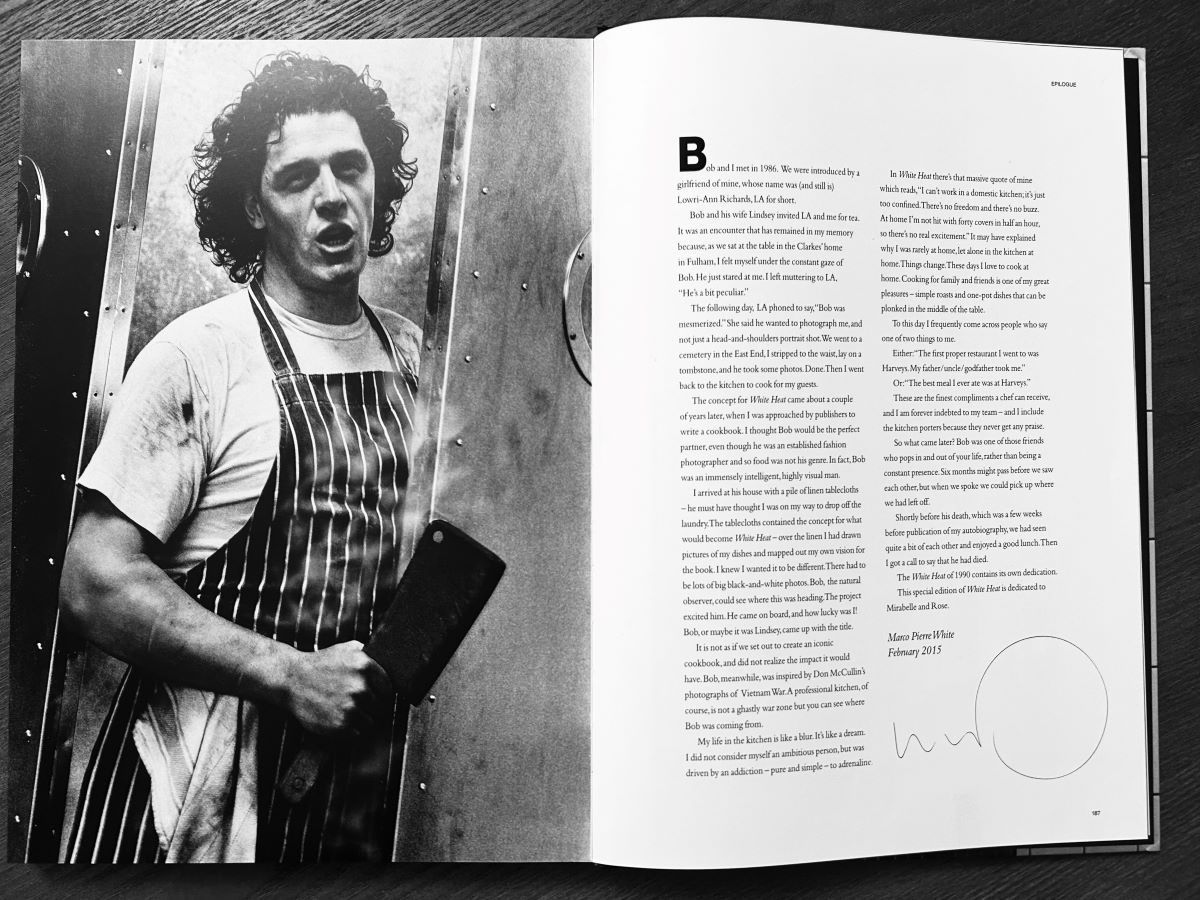 Marco Pierre White and White Heat, first published in 1990
Through the partnership, Meals on Me customers will have the opportunity to experience gourmet-inspired recipe plans infused with White’s signature flair. To date, the meal provider has delivered over two million meals across the UAE, and this number is indeed set to increase now that the partnership with White has been revealed.
“I have to earn a living,” he puffed when I asked him to explain the partnership. “I’m no different from anyone else, but I must do it with… with conviction.”
Nowadays, a more significant part of his professional income comes from endorsements. The enfant terrible of English cuisine hung up his restaurant apron aeons ago to pursue other interests, including television (Hell’s Kitchen and stints as a MasterChef Australia judge), masterclasses (with the BBC and P&O Cruises), and brand partnerships (Redefine Meat and Knorr stock cubes).
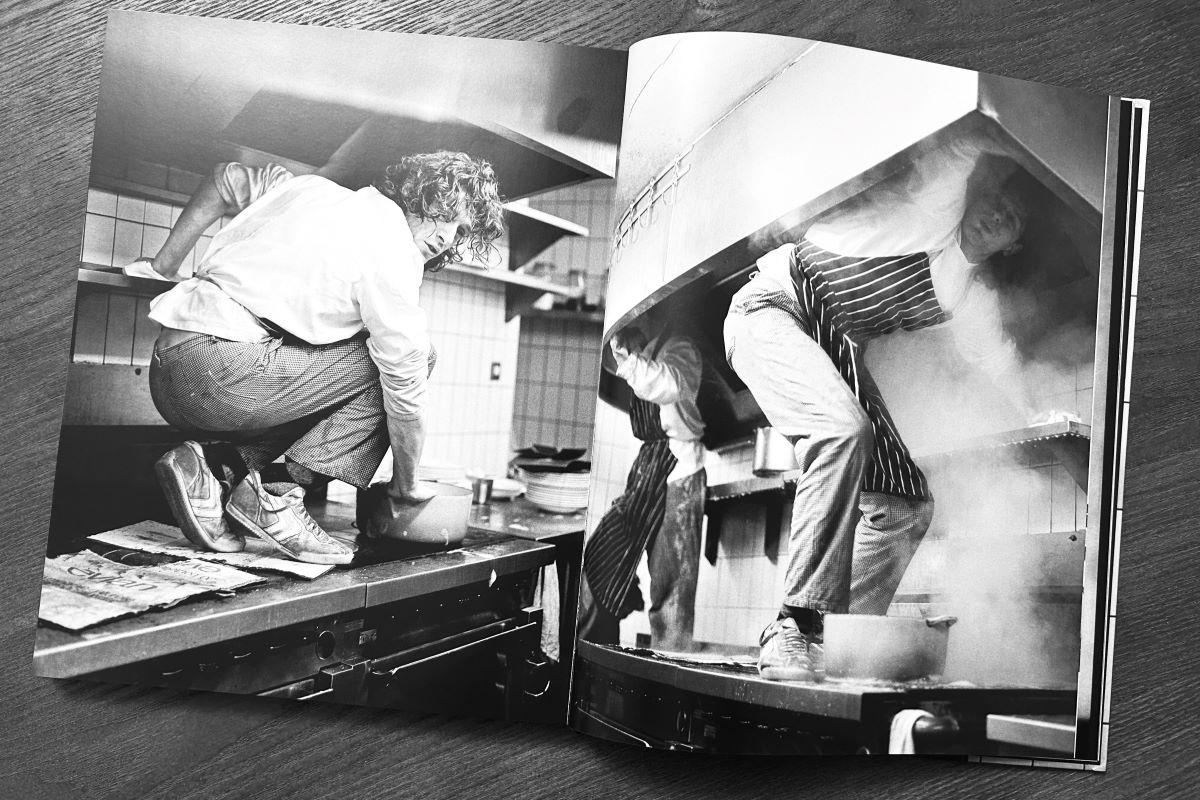 Marco Pierre White in White Heat, with photographs by Bob Carlos Clarke
In his whirlwind, riotous tambor, he continues, “You can’t measure a man’s wealth by money. A man needs to be brave in life.”
Sitting with White is like a carnival ride. He gesticulates a lot, a sign of his maternal Italian bloodline, and speaks punctually, citing poets and painters. He is explosive but not with leonine rage, despite my arriving half an hour late for our meeting – a rare, rainy afternoon in Dubai meant jammed highways and vehicle pile-ups. Unlike in his youth, he appears more softly, softly nowadays, demonstrating glints of wisdom and performative balladry.
Over the years, the image that has been created has become one of danger, decadence, and theatricality. However, White can also be decidedly introverted, often pondering on an answer for minutes, creating a strained silence that hangs in the air.
“Michelin knows more about tyres and the making of tyres than they do food”
“The romance from restaurants has gone,” he declares, almost defeatist. “It used to be that watching a great cook on the stove, a great saucier, was like watching… (he holds a pause)… a principal ballerina.”
His voice modulates from a broad Yorkshire grin to a kind of gravelled Shakespearean whisper. This is particularly prevalent when discussing his bewilderment with fine dining today and the world of Michelin, Molecular and Nouvelle Cuisine. “Michelin knows more about tyres and the making of tyres than they do food – I’m not trying to be controversial. Nowadays, they dish out stars like confetti!”
And still they come – soundbites from the philosopher-cook, polished and speckled with salt and spice. “The emotion has gone,” he proclaims, “that is what is wrong with the world of gastronomy today. It used to be that a plate was put in front of you, and you could smell it and feel its heat on your face. It slapped you – wham! I’m ruled by emotion, and that’s my life’s story. But you must remember, people did what they did for different reasons. We went to work to learn our trade, not to be stars. And I’m a great believer in the struggle.”
He continues, “Everywhere was tough then. Those kitchens were emotionally and mentally tough, and that fear of failure ruled me. But a cook must struggle. Without struggle, where is the appreciation? Without struggle, where is the ignition of the imagination (he clicks his fingers)? You have to struggle. You have to feel the pain.”
“Without struggle, where is the appreciation? Without struggle, where is the ignition of the imagination?”
I ask him about his failures, the ones he cannot shrug. “Ah! Many, but I took them on. I welcomed the imperfections to make perfection (clicking his fingers). Sometimes, the faults are rather beautiful. Not everything Picasso did, and he was The Special One, was perfection. But he became perfection, never dismissing his mistakes. You have to get lost in the emotion (clicking his fingers). And when I think of those great cooks like Fréchon, Bocuse, Guerard, Chapel, and Passard – the best chef in France today, I believe – then you see it: the intellect (clicking his fingers). Come on, they are romanticists.”
And, there’s more… “Michel Bourdin – the uncrowned king! When he was at The Connaught, it was my favourite restaurant for years. He was doing great French specialities for half of the menu and British classics for the other half. This man reinvented British cuisine! He took it to a level no one had ever seen!”
White enthuses over such chefs, many of whom have since departed, and speaks with an awful lot of exclamation marks.
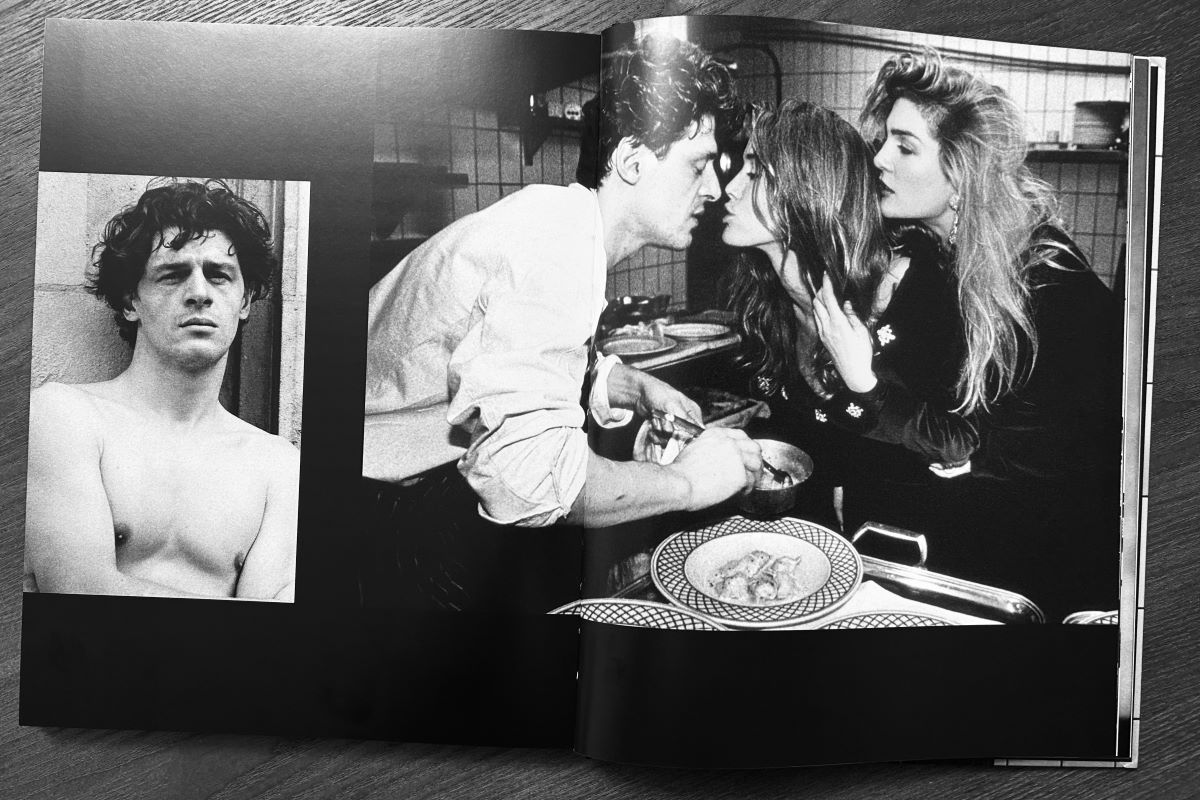 Marco Pierre White in White Heat, with photographs by Bob Carlos Clarke
And once he’s is off, he’s off, regaling me with the names of long-gone French cooks – preferring to use the word ‘cook’ instead of ‘chef’ – and rocking back and forth in the cheap, wheelie office chair the PR agency deemed appropriate for the bulking cook.
With each emphatic statement and snap of his fingers, the space between us narrows as he wheels closer, at one point resting his hand on my knee and looking me directly in the eyes. “Why are we stripping the emotion and romance out of gastronomy?” I shrug, clueless.
 Meals on Me – Healthy Meal Plan Delivery
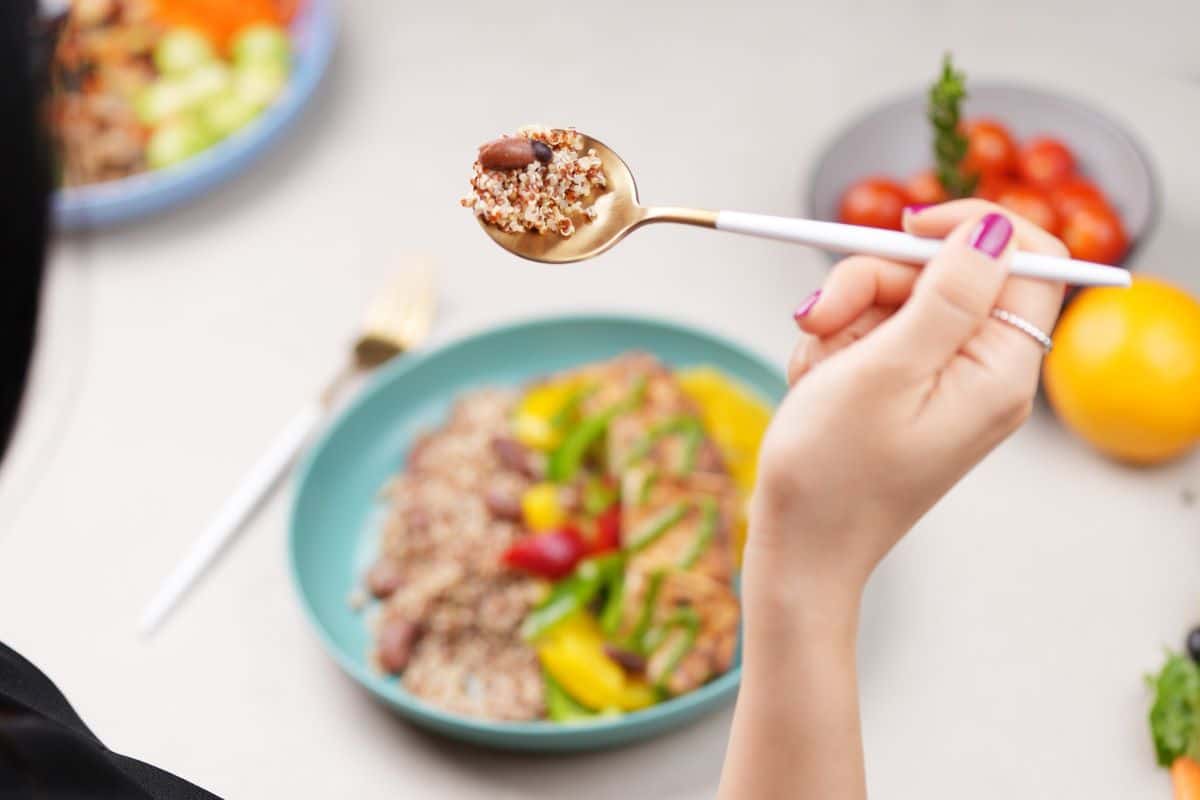 Meals on Me – Nutritious Eating – Made Effortless
“It’s sad! What is this pretence, this pseudo-intellectualism? I was at a three-star restaurant in America, and my first course was basically a Malteser. They told me, ‘This dish is designed to be eaten with your hands.’ Well, that seemed obvious!” The statement is dispensed with genuine confusion and furore, not humour.
When I attempt to steer the conversation back to Meals on Me, he prefers to expand on the subject of cooking with ease over the home-grown meal plan provider: “These little canapé parties don’t do it for me, but, hey, I’m a dinosaur! I’m sure they’re all cursing me, but what’s wrong with hot food on a plate that smells and tastes good?”
“Why are we stripping the emotion and romance out of gastronomy?”
I attempted again to bring the conversation back around to Meals on Me. “We’re not putting gastronomy in a box, but let’s put something in a delicious and affordable box.”
And off he goes again. “So, if that’s something as simple as a lasagne or aubergine parmigiana, where’s the crime? (claps his hands) Just whack it in the microwave! They’re my favourite kitchen gadget – seriously, they’re sensationally good!”
He continues, flapping his hands and rubbing the tips of his fingers together, “This person gets home, kicks their shoes off, puts something in the microwave that’s made with love, and that is comforting, warm, and good – and at a decent price-point. And, you know what (claps his hands), there’s no washing up! They can just put it in the bin.”
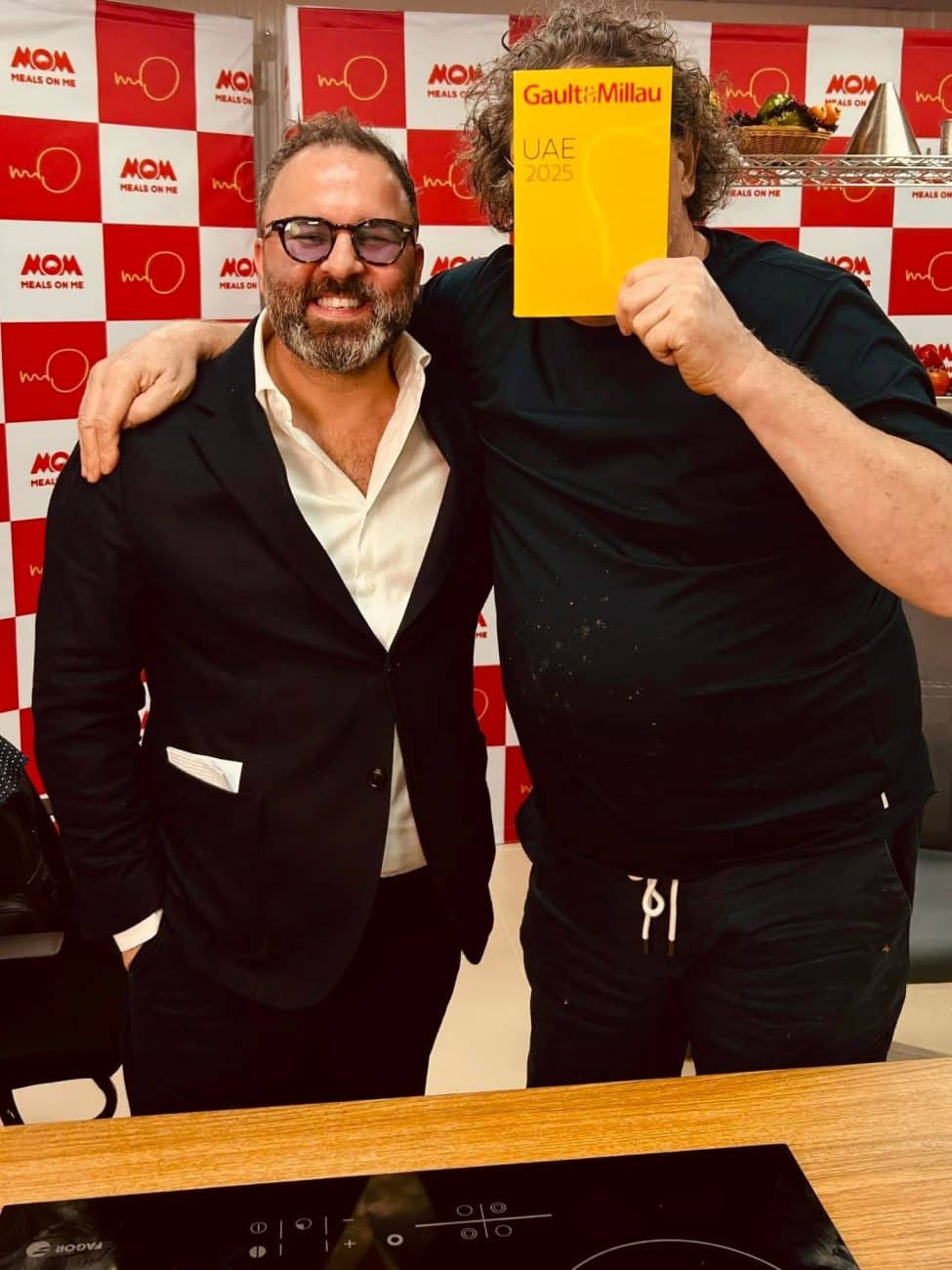 David J Constable and Marco Pierre White
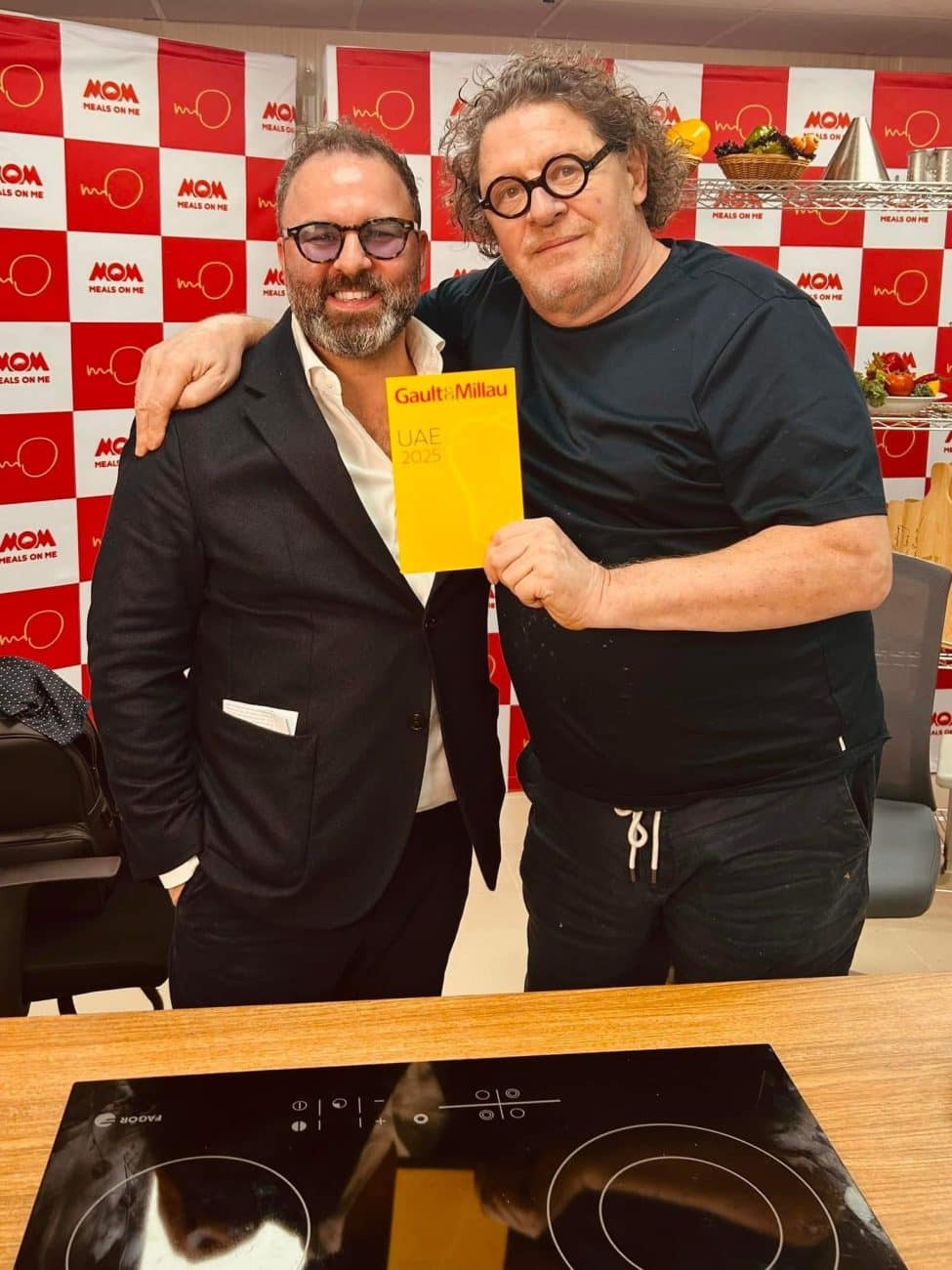 Marco with the Gault&Millau UAE 2025 Guide
This direct, no-nonsense slant to his descriptions of food and its enjoyment is not surprising. White has long advanced the simplicity of dishes, rhapsodising over a Scotch egg as much as an escalope of salmon. In fact, we spend at least 20 minutes running through the complexities and wonderment of the fried, golden orb.
Today, he much prefers food with a jejune narrative, be it the memories of his youth or a simple ham and mustard sandwich – but with only the finest bread, ham and mustard. As is noted in White Heat, back in the steaming, masochist kitchens of his juvenescence, he survived on Marlboro and caffeine, as well as a Twix or Mars.
White is terrific company and has a lens on the food and fine dining world like few others. He reached its giddy solipsistic peak and just as quickly set his own course, handing back his three stars for a new trajectory, done with the tyre-tummied Michelin Man and theatrics of the global restaurant merry-go-round, and instead, flying madly around the world and preferring to fish and shoot while forgoing cook status for restauranteur supremacy.
It has been a bumpy ride, however. White admits as much, chalking up successes and failures in equal measure. But my goodness, what a legacy, some 35 years later, still square-jawed and rumple-haired, a colossus of the British restaurant industry and advocating for microwaves and home-delivered meal programs because, in his own words, “Why the hell not?”
www.hellomealsonme.com
Read more interviews with Gault&Millau …
“I prefer to work with one ingredient and push it,” says Pierre Hermé
David J Constable sat down with the world-famous chef to talk techniques, inspiration and controversial flavours
“What is classic is modern,” and “what is simple is difficult,” says Jean Imbert
As Riviera at The Lana – Dorchester Collection officially opens, Gault&Millau sat down with the chef responsible for leading the kitchen, the enfant terrible Jean Imbert
Daniel Boulud on why you should never be discouraged from taking risks and his reverence for Gault&Millau
Born into a farming family, Daniel Boulud rose through the ranks of France’s best kitchens before spawning a culinary empire. David J Constable sat down with him to discuss his glittering career.