
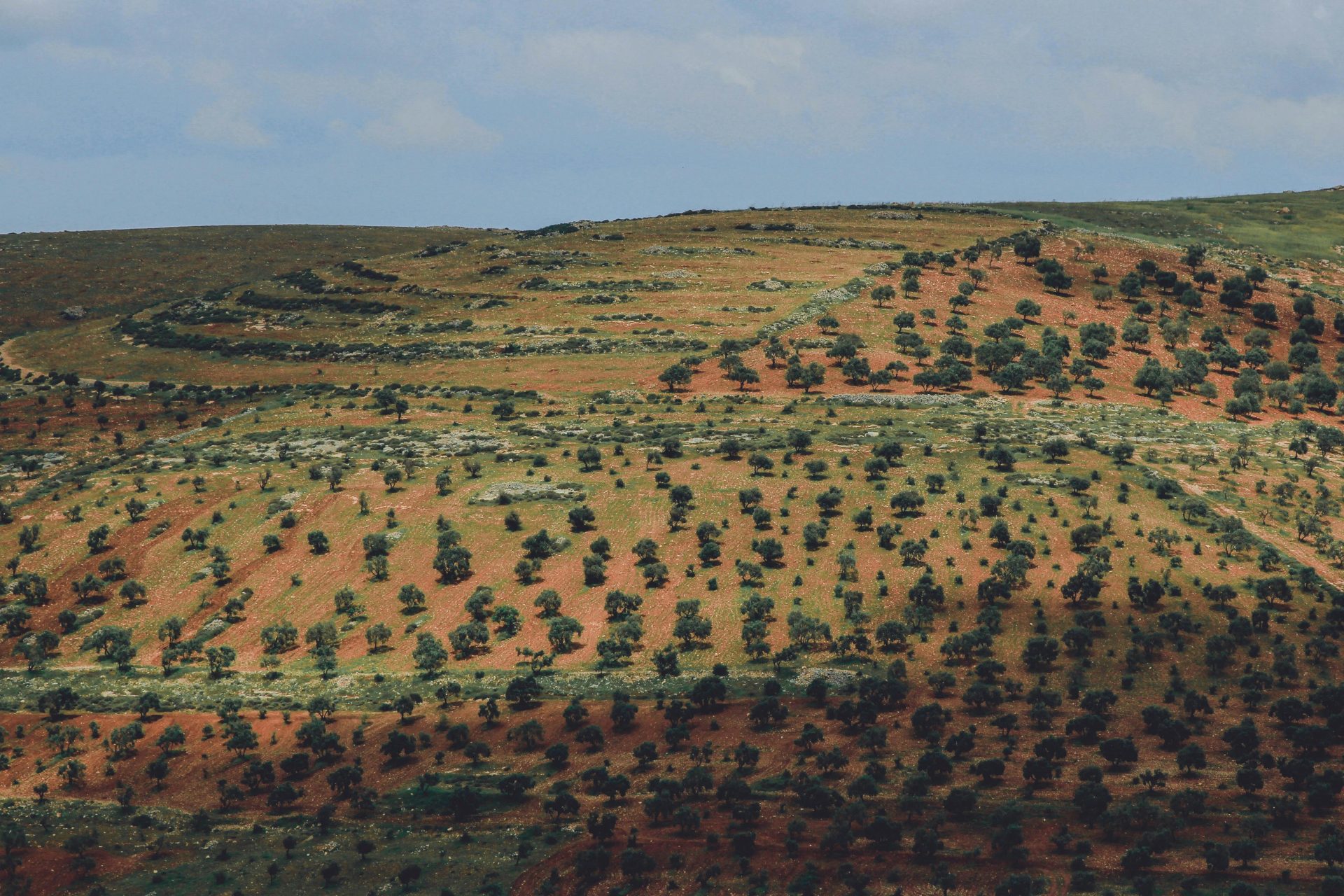
The olive oil crisis in Europe, caused by Xylella fastidiosa and climate change, is reducing production and raising prices globally.
The olive oil industry in Europe is going through one of its worst crises, with economic losses exceeding 20.000 billion euros. Factors such as climate change, affecting the Mediterranean region with extreme droughts, and the spread of the Xylella bacteria fastidiosa have drastically reduced production in Italy, Spain and Greece. The situation has driven up prices and poses urgent challenges to preserving one of the continent’s most iconic agricultural products.
The impact of climate change on olive oil
Climate change is transforming olive oil production in the Mediterranean. According to the IPCC, The region is warming 20% faster than the global average, with extreme temperatures and erratic rainfall patterns which have reduced global olive oil production from 3,42 million tonnes in 2021-2022 to 2,41 million in 2023-2024.
The decrease in supply has caused olive oil prices to rise by 50 to 70% in the last yearTo meet these challenges, farmers are implementing innovative techniques such as drip irrigation, researching more heat-resistant olive varieties, and expanding cultivation to less affected regions. Despite these efforts, climate projections suggest that some producing areas will be unviable by mid-century.


Xylella fastidiosa: the disease that devastates olive groves
In addition to climate change, the industry faces the threat of Xylella fastidiosa, a bacterium that causes Olive Rapid Decline Syndrome (OQDS)This pathogen has devastated more than 21 million olive trees in Puglia, Italy, and is spreading to Spain, France and Portugal.
The economic impact of Xylella is devastating, with estimated losses of up to 17.000 billion euros in Spain over the next 50 years if its spread is not contained. The disease deprives trees of their ability to transport water and nutrients, leading to their death. Currently, there is no cure, leaving farmers with limited options to save their crops.
Economic and social consequences
The olive oil crisis has hit the agricultural economies of Italy, Spain and Greece hard. In regions such as Puglia, Production has fallen by more than 50%, affecting land values and farmers’ incomesThese losses, estimated at more than 20.000 billion euros across Europe, also impact rural tourism and the economic sustainability of communities dependent on olive cultivation.
Consumers are also feeling the pinch of the crisis. With rising prices, olive oil, a mainstay of the Mediterranean diet, could become inaccessible to many households. This could disrupt consumption patterns and further reduce demand., deepening the economic crisis for producers.
The case of Puglia: a symbol of the struggle
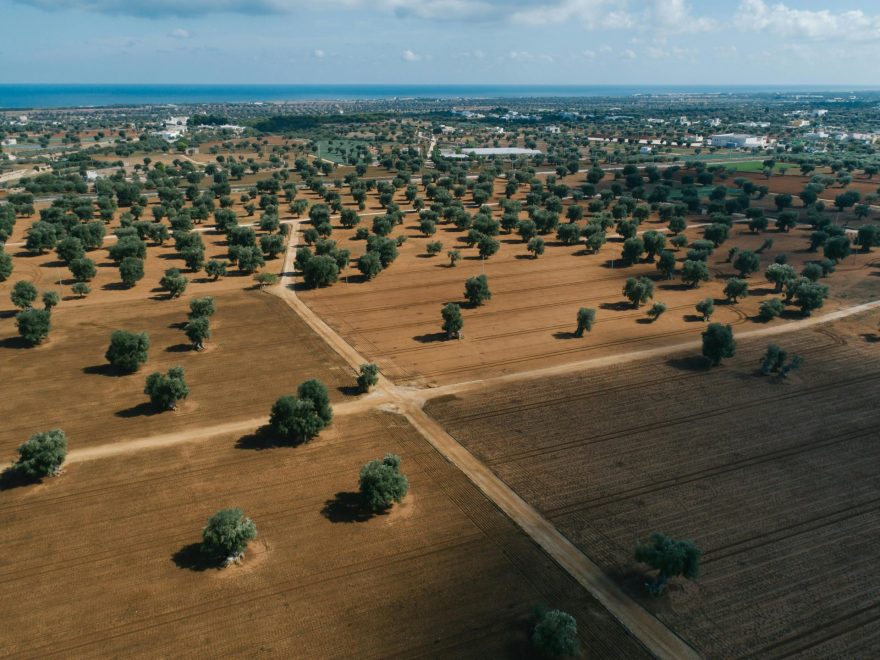
Puglia, one of Italy’s main producing regions, reflects the challenges facing the European olive oil industry. Prolonged droughts and the impact of Xylella have drastically reduced production, leaving farmers with few tools to combat the disease. The Coldiretti Puglia association estimates that production in the region could fall below 50% in the coming years, a devastating blow to the local economy.
Towards a more resilient future
Despite the challenges, the olive oil industry is looking to adapt. Efforts include research into new resistant varieties, improvements in water management and the use of olive groves as carbon sinksThese steps are essential to building resilience and preserving an iconic product of Mediterranean culture.
However, the road to recovery will require government support, international collaboration and innovative solutions. The current crisis is a wake-up call to protect not only a crucial agricultural sector, but also the tradition and livelihood of millions of people in Europe.
Protecting the legacy of olive oil
Olive oil is not just an agricultural product; it is a symbol of Mediterranean culture and an economic driver for millions of people. Protecting this industry requires rethinking how olive oil is grown and marketed in a world increasingly affected by climate change.
Adopting regenerative agricultural models, encouraging economic diversification in producing regions and promoting education about the impact of climate change on the sector are actions that can ensure the survival of olive oil. This crisis represents an unprecedented challenge, but also an opportunity to transform the industry into a model of sustainability., innovation and resilience for future generations.