
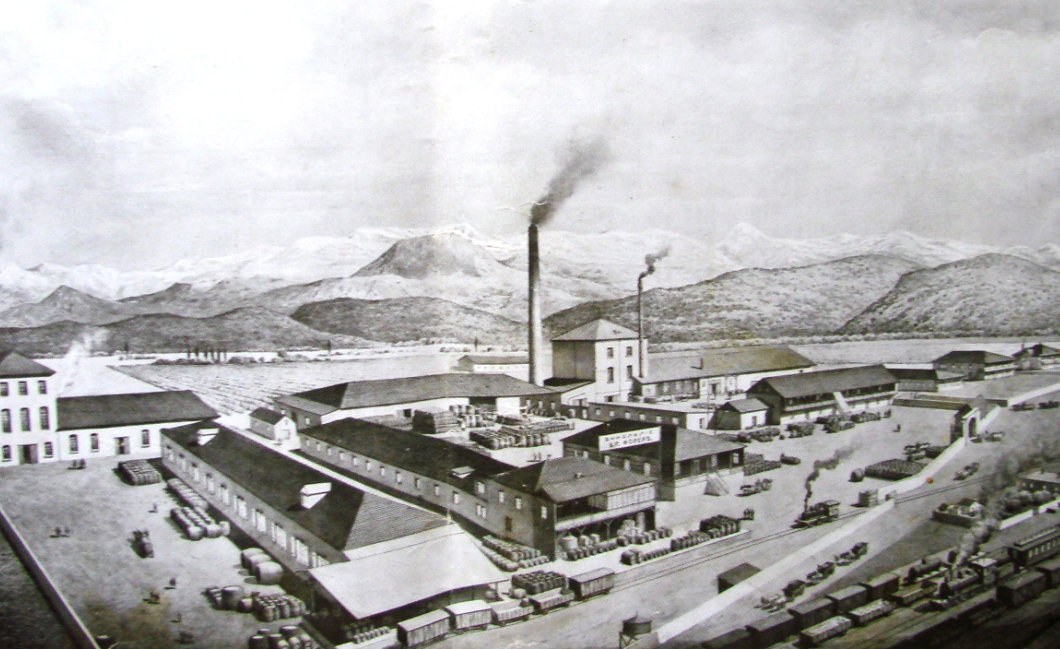
Azerbaijan is well known for its wines and unique grape
varieties, but not everyone knows that the country’s winemaking
industry owes much of its development to German settlers from the
Kingdom of Württemberg (now Baden-Württemberg).
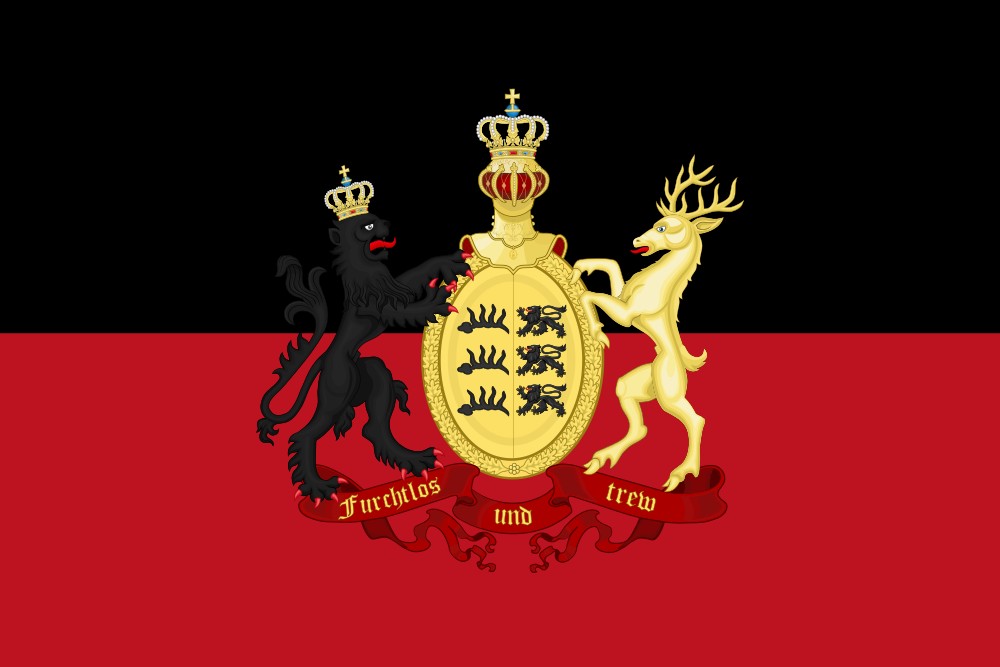
What is now the city of Goygol was originally founded as
Helenendorf by German immigrants who fled to the Caucasus in the
early 19th century to escape the chaos of the Napoleonic Wars. The
first group of 1,400 settlers arrived in Azerbaijan in 1817,
traveling from Cologne to the village of Khanlar (now Goygol).
Within a year, they established the town of Helenendorf, where they
began planting vineyards. By the early 1860s, one of these
settlers, Christoph Vohrer, founded Azerbaijan’s first commercial
winemaking company, marking the birth of the country’s wine
industry.

By the 1870s, Azerbaijan’s share of wine exports from the
Caucasus began to grow, with vineyard areas expanding in the
Elisabethpol Governorate. In the early 1890s, Elisabethpol (now
Ganja) was the region’s leading wine producer, followed by the
Helenendorf community. Over time, winemaking became concentrated in
the hands of major entrepreneurs, including prominent German
businessmen Christoph Vohrer and Christian Hummel. Their companies,
Vohrer Brothers and Hummel Brothers, became known for producing
high-quality wines with distinctive branding and packaging,
competing with leading international brands.

The Vohrer and Hummel families played a key role in transforming
Azerbaijani winemaking into a large-scale industry, introducing the
most advanced techniques of the time. Helenendorf and other German
communities became major wine production hubs, not just for
Azerbaijan but for the entire Caucasus. By the early 20th century,
wines from the Vohrer and Hummel firms, as well as the Concordia
winemakers’ association, were sold across Russia and
internationally.

This success can be traced back to 1847, when Vohrer planted the
first vineyard in Helenendorf. By 1860, he had fully dedicated
himself to viticulture and winemaking, steadily expanding his
landholdings. Originally from Württemberg, a region known for its
red wines since the 8th century, the Vohrer family brought
winemaking expertise that complemented Azerbaijan’s long tradition
of favoring red grape varieties. This fusion of German techniques
and Azerbaijani traditions proved highly successful, and the Vohrer
winery remains in operation to this day.

By 1909, Vohrer was exporting more than 250,000 buckets of wine
beyond the Caucasus—almost as much as the entire Elisabethpol
Governorate. By 1913, the Vohrer and Hummel companies had exported
761,000 buckets of wine. The Hummel brothers also expanded into
brandy production, building a distillery in Helenendorf in 1895 and
establishing the Hummel Brothers Trading House in 1900. Other
cooperative ventures followed, including a winemakers’ association
in Annenfeld (now Shamkir) in 1907.
At the 1893 World Exhibition, Elisabethpol’s brandies won a
bronze medal and a certificate of honor. In 1899, the Vohrer
brothers received gold medals for their wines and tobacco at an
agricultural exhibition in Baku.
Following Azerbaijan’s Sovietization, all major wineries were
nationalized. The Azerwine state trust was created in 1922, taking
control of all vineyards and winemaking enterprises. Only the
Concordia cooperative survived, maintaining 6% of Azerbaijan’s
vineyards and producing 42% of the country’s grapes in 1926. The
cooperative continued expanding, building new distilleries and
brandy factories in the 1920s.
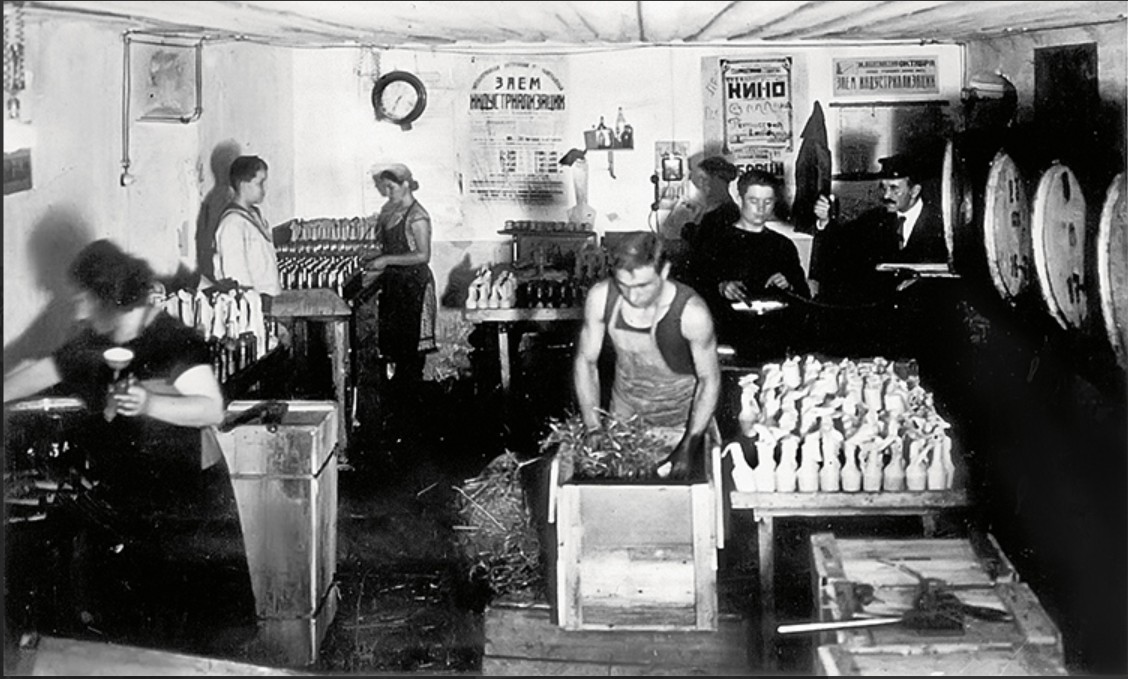
German entrepreneurs were known for their strong organizational
and managerial skills. The businesses they built operated with
remarkable efficiency, and although the German population was
forcibly deported from the USSR in 1941, the winemaking traditions
they established continue to this day.
Today, the Goygol Wine Plant, founded by the Vohrer family in
1860, remains one of the oldest wineries in the South Caucasus.
During the Soviet era, Concordia operated 183 stores across the
USSR. In the 1980s, the plant ranked third in the Soviet Union for
brandy and wine production. Goygol wines have won numerous
international awards, with three of its brandies—Baku, Azerbaijan,
and Goygol—earning gold medals at competitions in Tbilisi,
Budapest, Ljubljana, and Yalta between 1968 and 1982.
Today, the Goygol Wine Plant continues to build on its legacy,
proving that success and quality are rooted in strong
traditions.