
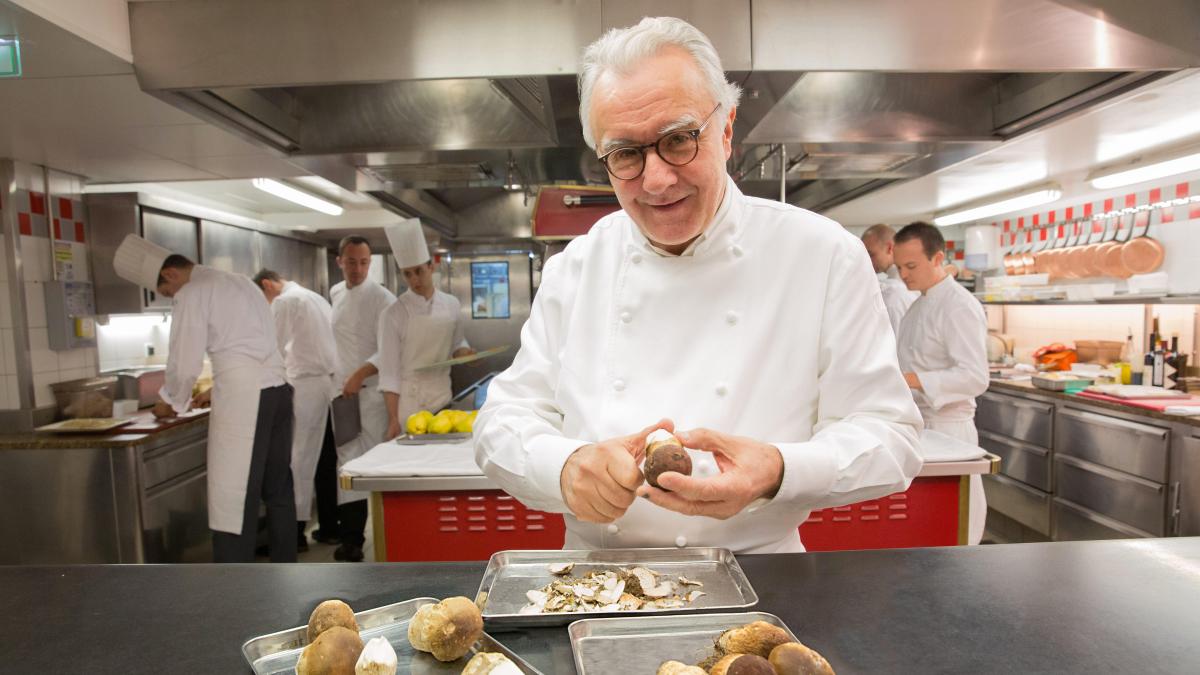
Crunchy worms au paprika, carrot kimchi and artichoke caviar could feature on the fine dining menus of the future, according to Alain Ducasse and other leading French chefs.
Ducasse and more than 100 fellow exponents of haute cuisine tested this dish and other delicacies at a chefs’ lunch in Meudon, near Paris, this week with the theme “What will we be cooking in 2050?”
The chefs squirmed at first when presented with an hors d’oeuvre of grilled mealworms — the larval form of a species of yellow beetle — spiced with paprika.
“Are we on Survivor?” one joked, referring to the reality TV show in which contestants have to forage for food in a remote location.
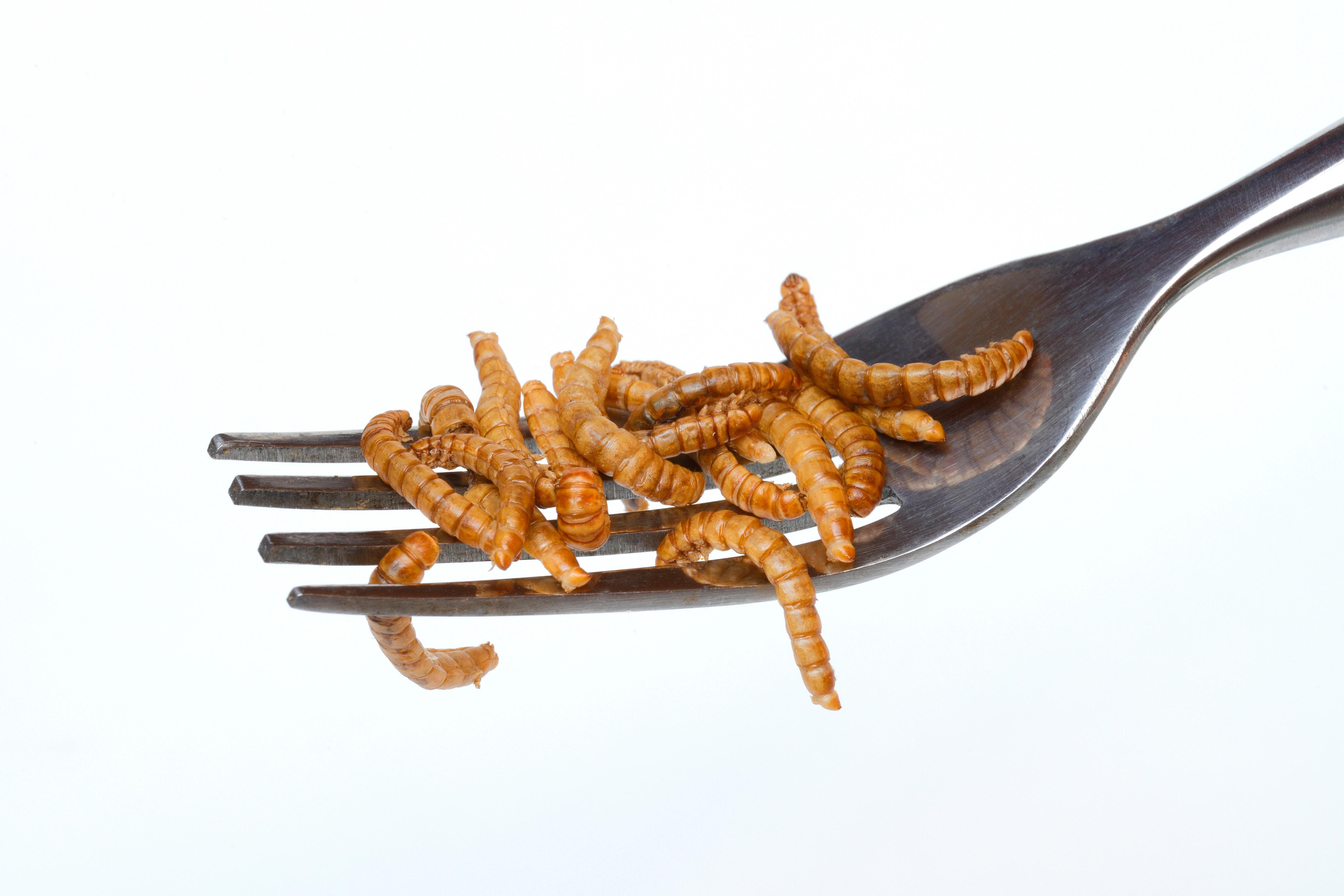
Mealworms are touted as a good source of protein, fat, and fibre
ALAMY
After swallowing their doubts, however, the chefs pronounced the lightly browned inch-long worms, piquant and delightfully crisp. They considered them to be perfectly paired with carrot kimchi, and artichoke and fennel caviar.
Then came raw asparagus and country bacon with a sorrel relish, followed by a plant-based preparation with the flavour of raw tuna, and celeriac with vegan mayonnaise.
The menu created by Laura Portelli and Christophe Saintagne, executive chefs of Les Roseaux, a restaurant in a converted airship hangar, was in line with Ducasse’s call to adapt to climate change and evolving tastes.
The French chef, who has 21 Michelin stars and more than 40 restaurants, including one at the Dorchester hotel in London, said this means using less energy in cooking, “less animal protein, but better quality”.
The gourmet dishes of tomorrow, he added, must be “good to eat, good for health and good for the planet. If we feed ourselves better, the planet will do better.”
In Ducasse’s view, “failure is less serious than refusing to change”. His Sapid restaurant in Paris opened in 2021 with 95 per cent vegan options but he has since included fish, dairy and eggs on the menu, although not red meat.
The rest of the menu focused on fermentation, a signature technique of Copenhagen’s renowned Noma restaurant. Champignons de Paris, or button mushrooms, were accompanied by spinach and black truffle and cooked in a fermented plant-based sauce.
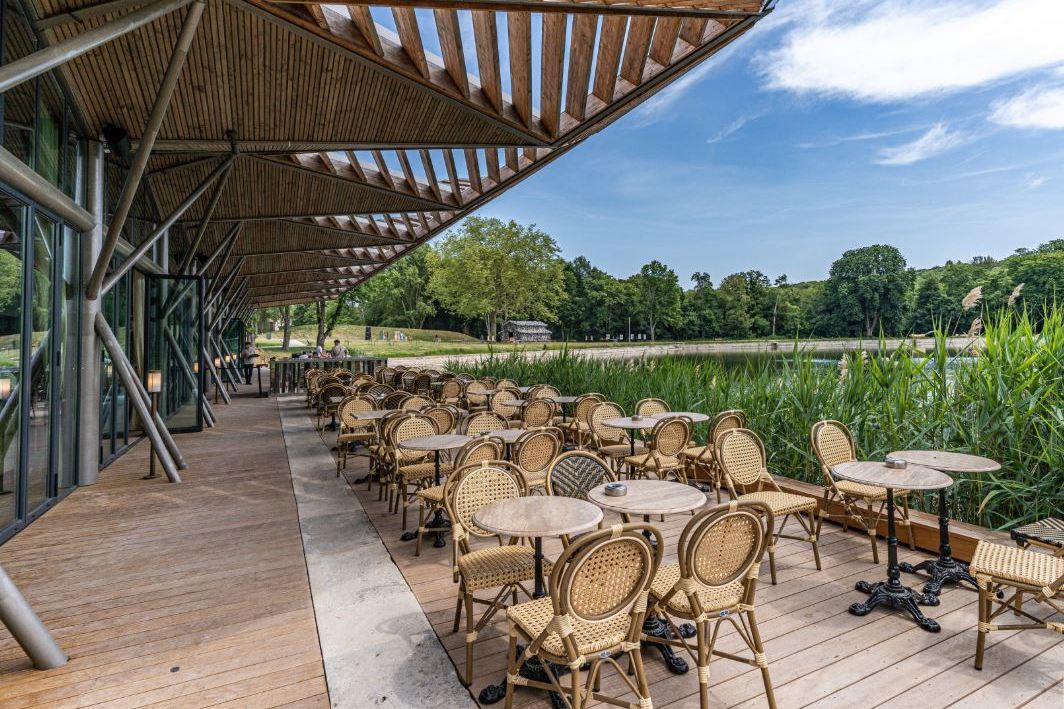
Les Roseaux in Meudon hosted the chefs’ culinary adventure
Portelli and Saintagne then presented what they said was an example of a revolutionary pressure-preservation technique: a bouillon of raw prawns preserved for 30 days, with seaweed rice.
“The idea of this menu was to prompt questioning and innovation,” Saintagne said, recalling that Ducasse told him early in his career: “I’m not hiring you for what you know how to do, but for what you’re going to learn to do.”
Clément Ory of Carbone 4, a consultancy that advises the food industry on low-carbon strategies, said: “In 2050 we’ll be living in a disrupted world. Heatwaves will be the rule. We have to prepare for shortages.”
The production of beef, cheese and other dairy products will be affected, as will fruit and wine, according to Ory, who attended the lunch. “We’ll have to change our entire method of cultivation and production.”
Increasing automation, robots and artificial intelligence will also change the way chefs work.
“The idea is to do better with less,” Ducasse said. “The danger is refusing to change.”