
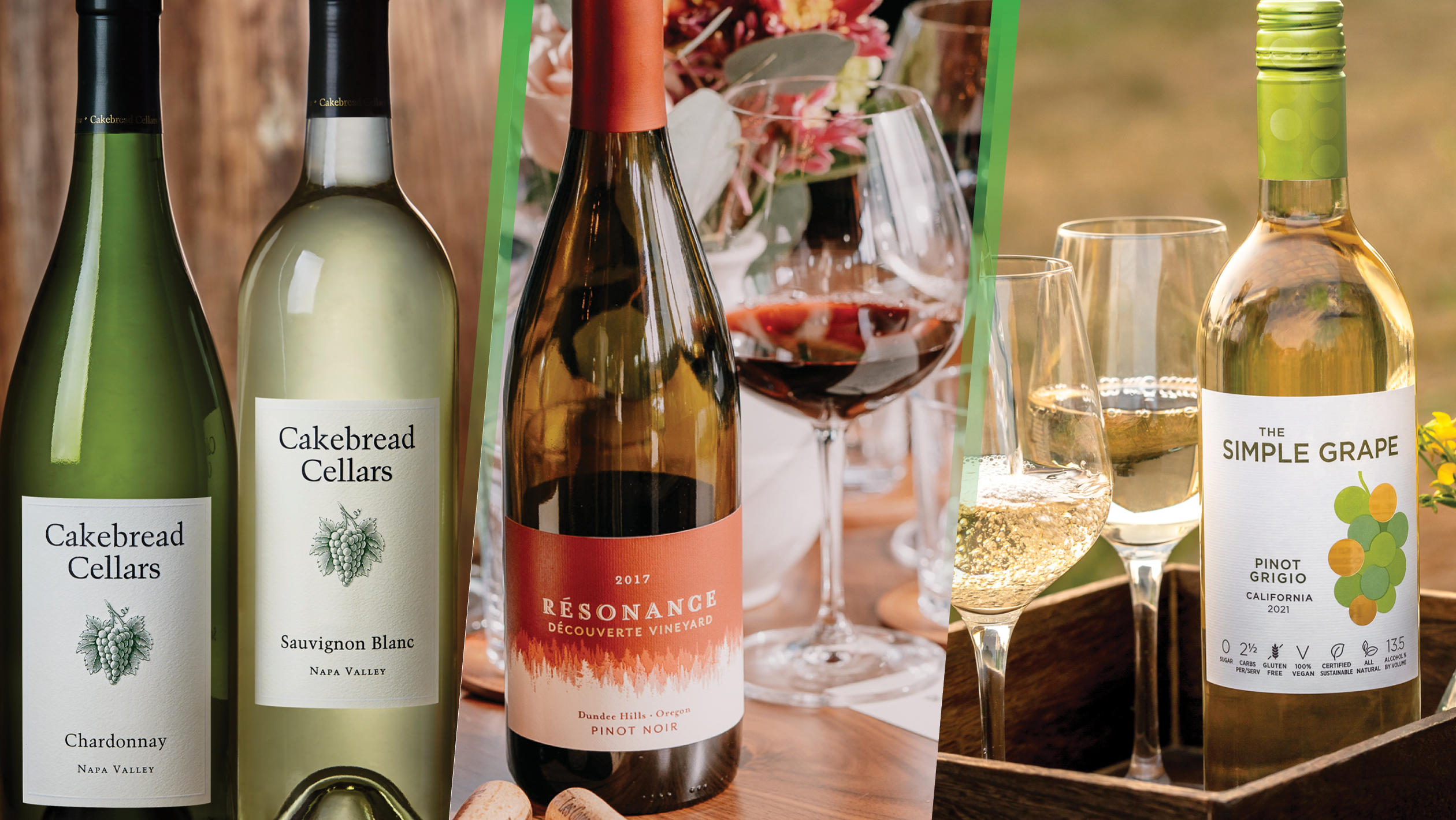
This advertising content was produced in collaboration with our sponsors, Résonance, The Simple Grape, and Cakebread Cellars.
Sustainability has been a hot topic in the wine world for quite a while, but that doesn’t mean interest in the issue is fading. In fact, the importance of sustainable winemaking only continues to grow. Recent studies by the Wine Institute, for example, show that consumer interest in sustainably made wine is up—and driving purchasing decisions.
For winemakers, sustainability is top of mind as well. As an agricultural product, winemaking relies on the long-term health of vineyards, and as climate change continues to wreak havoc, some brands have emerged as leaders in sustainable wine production. Take, for example, Résonance’s journey to becoming fully organic certified; The Simple Grape’s easy-to-understand sustainability messaging; or Cakebread Cellars’ 52-year track record of environmental protection. Through their commitment and innovative approaches, these are the brands taking sustainability to new heights in the U.S.
With this at the forefront of all corners of the wine industry, it’s more important than ever to stock the brands that are driving sustainability forward, and capturing the attention of wine consumers around the country.

Don’t miss the latest drinks industry news and insights. Sign up for our award-winning newsletters and get insider intel, resources, and trends delivered to your inbox every week.
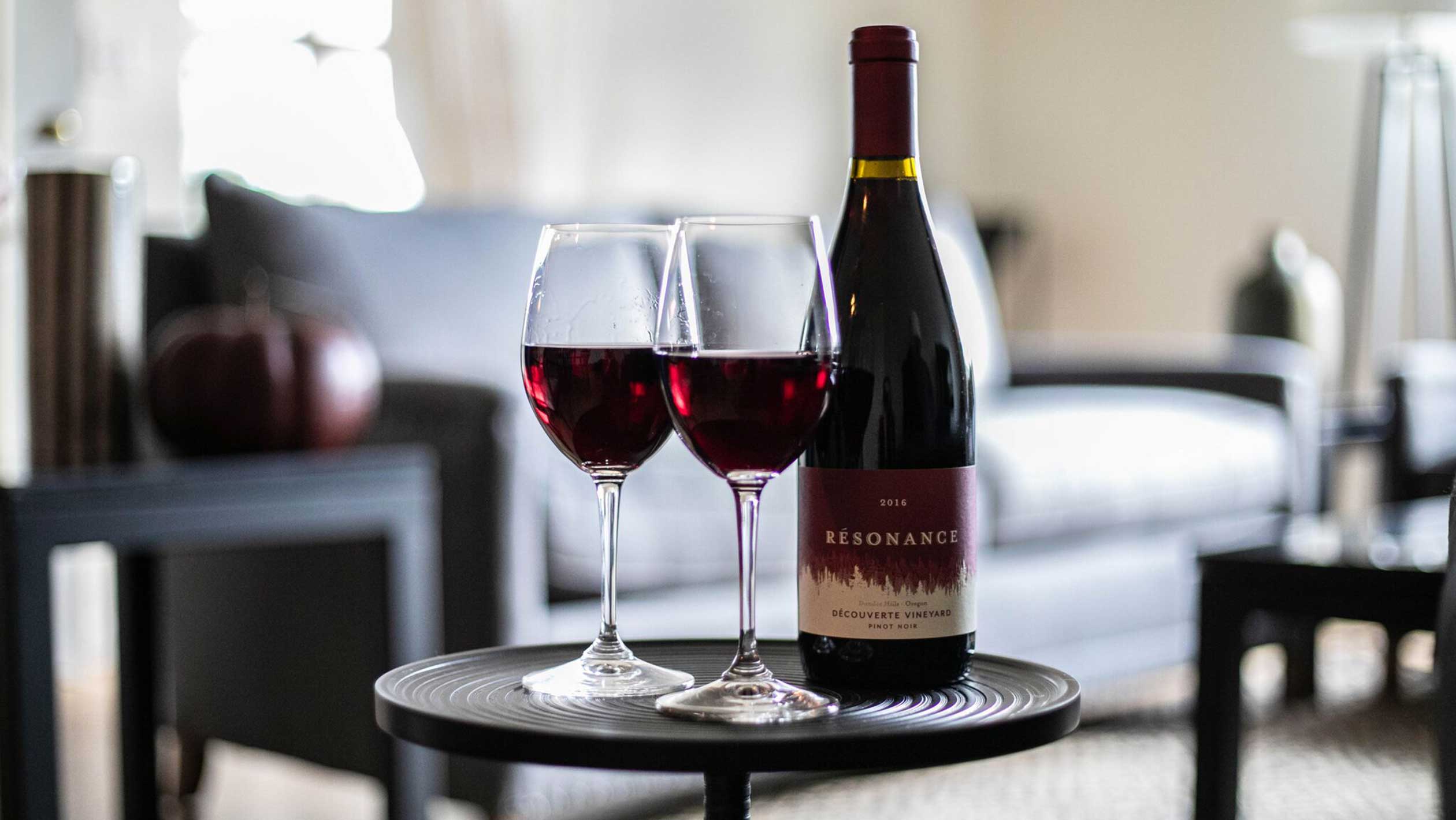 All of Résonance’s estate vineyards have achieved organic certification. Photo courtesy of Résonance.
Résonance
When Maison Louis Jadot purchased Résonance Vineyard in Oregon’s Willamette Valley in 2013—the historic winery’s first outside of Burgundy—it committed to a founding vision: for all its estate vineyards to achieve organic certification. That goal was just attained when the 80-acre Koosah Vineyard in the Eola-Amity Hills AVA, achieved its certified organic status in February 2025. Certification, however, is just one part of Résonance’s commitment to environmental stewardship in the region, which also includes dry-farming, encouraging biodiversity, and constructing the two tasting rooms with absolute respect to preserving the surrounding habitat.
That respect also extends to their winemaking approach; winemaker Guillaume Large crafts exceptional terroir-driven wines that put the Oregon land in conversation with 170 years of winemaking heritage in Burgundy. As Large says: “Our organic farming practices respect the Burgundian traditions of Maison Louis Jadot while embracing the forward-thinking ethos of Oregon winemaking. The latest organic certification of Koosah Vineyard represents another step forward in this journey.”
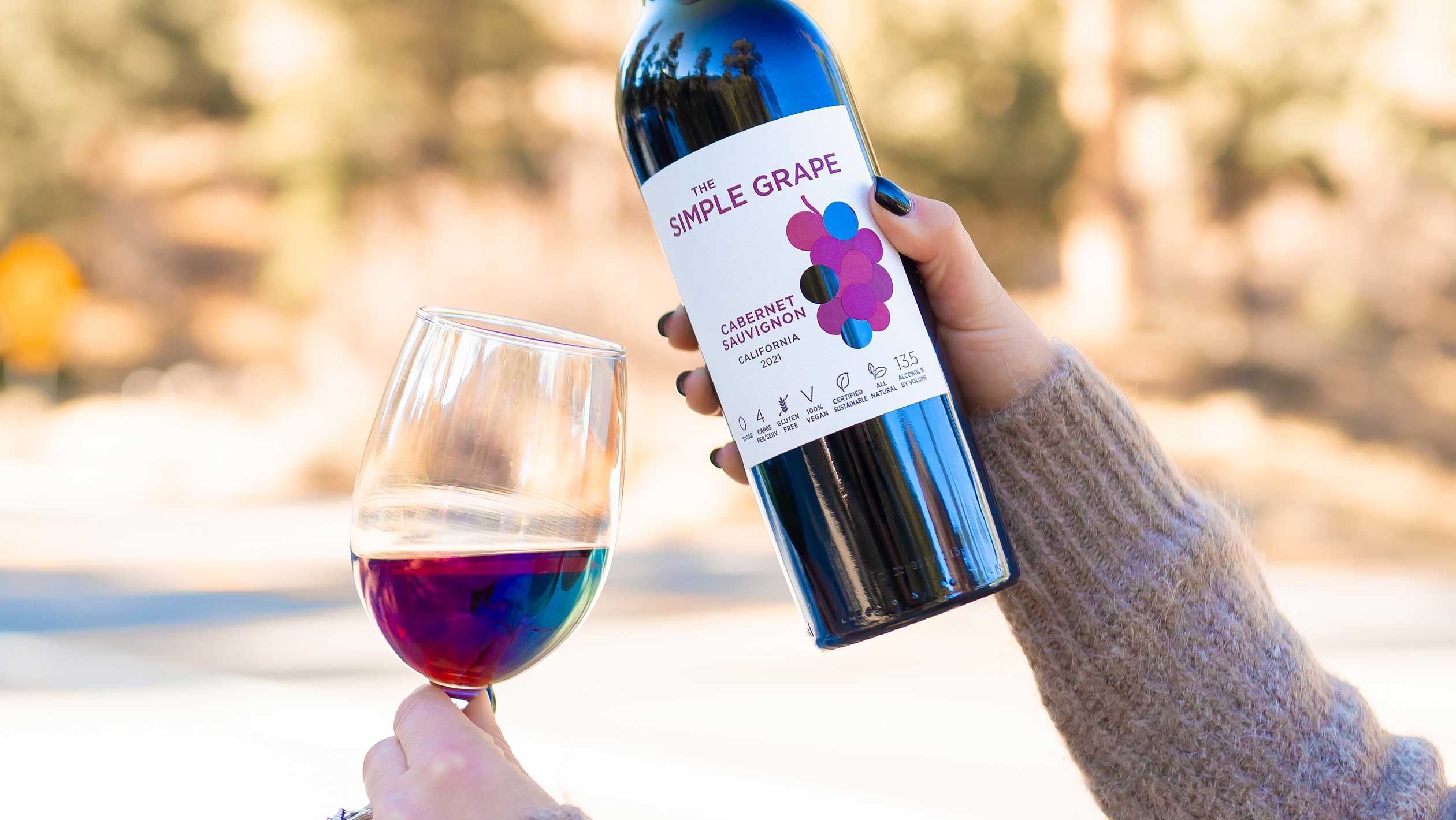 The Simple Grape’s wines use grapes from certified sustainable vineyards. Photo courtesy of Simple Grape.
The Simple Grape
At The Simple Grape, a thoughtful glass of wine can be as important to a balanced lifestyle as staying active and practicing wellness. It’s what’s in the glass—and on the labels—that is key to allowing consumers to make mindful and informed choices about their wine consumption.
That’s a big reason why The Simple Grape sources its grapes from vineyards that are certified by Certified California Sustainable Winegrowing. These vineyards are committed to upholding sustainable winegrowing requirements, such as protecting ecosystems and wildlife habitats, preserving natural resources, and committing to be good partners to their community and employees. Plus, a portion of The Simple Grape’s profits are donated to the Pollinator Partnership, which promotes the health of pollinators, a critical part of food production and ecosystems, through conservation, education, and research.
The Simple Grape also doesn’t add sugars or artificial flavors to its wines, maintaining the high quality of its sustainably grown California grapes. Importantly, all the information a consumer needs is on the front label of each wine, so they can feel good enjoying a glass while knowing exactly what’s in the bottle.
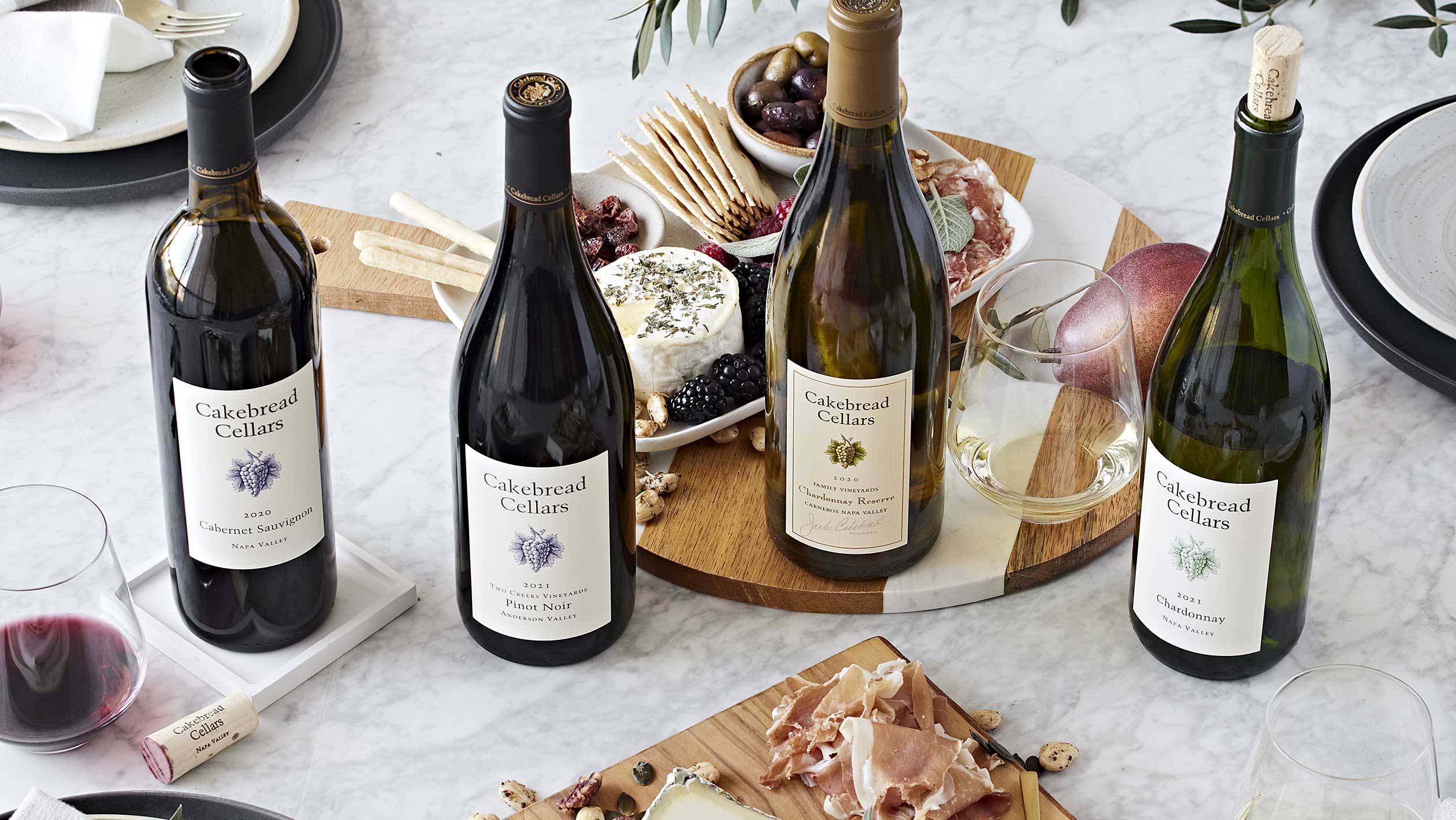 Cakebread Cellars is working to become carbon neutral by 2030. Photo courtesy of Cakebread Cellars.
Cakebread Cellars
Sustainability might be a buzzword today, but Cakebread Cellars has a proven track record of tangible action to protect the environment that began with its founding in 1973. They were the second winery to ever achieve Napa Green certification, and, more recently, they attained silver level membership in International Wineries for Climate Action, an industry benchmark for carbon emission calculation and reduction in the wine sector. They boast dozens more accolades, but what matters is the ingrained belief, as a family-owned winery, in preserving the land for future generations.
With that in mind, they work to continuously improve and update their approach to sustainable viticulture with new technologies and science. They were an early adopter of innovations like precision irrigation technology, UV light for cleaning, and microturbines to enhance water and energy conservation. Their next goal? To be carbon neutral by 2030. “We had a family vision and commitment to stewardship of the land,” say co-owners Bruce and Dennis Cakebread. “We are proud that Cakebread Cellars was a pioneer in sustainability—and that we are still leaders in this space today.”


Dispatch
Sign up for our award-winning newsletter
Don’t miss the latest drinks industry news and insights—delivered to your inbox every week.