
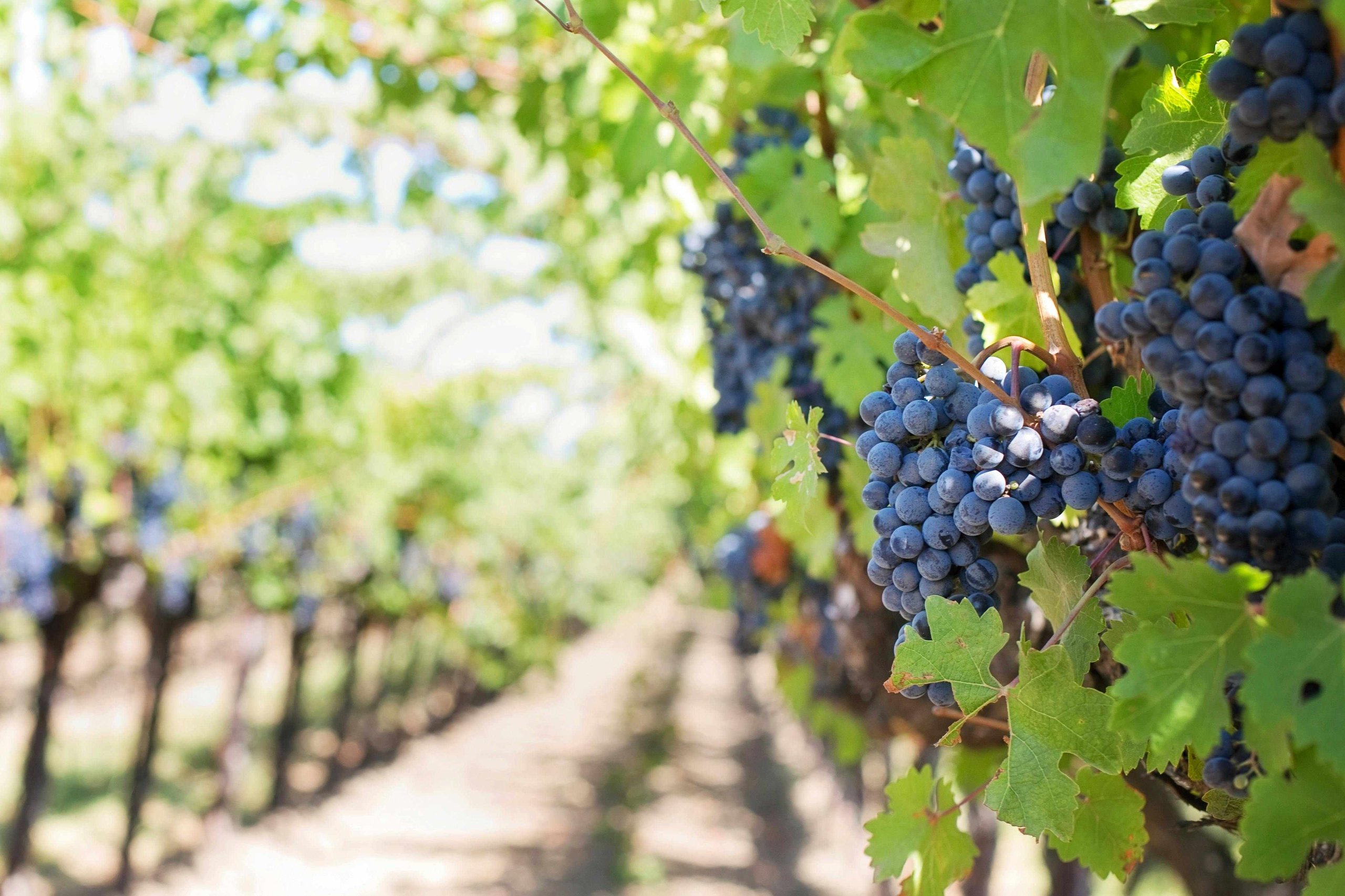
Dissatisfied with the lack of information on Italian viticulture, a research team gathered 1,700 archeological grape seeds to see how Italians of old helped to create modern Italian wine.
(CN) — Italian wine is prominent in the world of grape cultivation, but its history is not as understood as viticulture in parts of Asia and Europe.
To remedy that, Mariano Ucchesu of the University of Montpellier, France, and his colleagues analyzed ancient seeds for their study published Wednesday in PLOS One.
They investigated over 1,700 grape seeds from 25 archeological sites in northern-central Italy, Sardinia and the Republic of San Marino. Per the team, the sites date from the Early Neolithic period of the 6th millennium BC to the Medieval Age between the 8th and 14th centuries AD.
The team wanted to track the progress humans made to transform wild grape seeds with smaller, rounder seeds and short pointed projections on the seed known as beaks, into domestic grapes that contained larger seeds with more elongated beaks.
They first found that wild seeds reigned between the Early Neolithic and the Early Bronze periods, the latter dated between 2050 and 1850 BC. The grape seeds, or pips, from this time structurally resembled modern wild grapes more than domestic ones, which the team thinks could mean that human communities mostly gathered berries from wild plants until at least the Early Bronze Age.
This trend of predominantly wild grapes seemingly continued into the Middle Bronze Age around 1600 to 1300 BC, as the team found that only four out of 142 grape pips collected from Middle Bronze Age sites qualified as domestic. However, they noted that a potential model error when classifying modern pips or naturally domestic traits in grape pips from wild hermaphrodite populations could make this small percentage insignificant.
Still, the team believes that Early Bronze Age humans possibly started the grape cultivation process based on changes to the pips’ shape and length around that time.
“The first suggests that domesticated grape varieties arrived in Italy through trade with regions of the Eastern Mediterranean,” said Ucchesu via email. “We know that communities in Sardinia during the Bronze Age were acquiring copper from Cyprus for bronze production, and that through these trade exchanges, domesticated grape varieties may have been introduced to the island. The second theory, on the other hand, proposes that Sardinian communities began selecting wild grapes — which still grow across the island today — and independently started cultivating vines, thus initiating a secondary domestication event.”
The first evidence of change came around the Late Bronze Age, between 1300 to 1100 BC.
When they studied grape pips from wells at the Sa Osa site in Sardinia, the team discovered that 45% of the pips counted as domestic pips. Further comparative analysis confirmed substantial structural changes in wild pip lengths and shapes from the Early Neolithic compared to the Early Bronze Age.
The team hypothesized that Late Bronze Age humans initiated the most dynamic changes through grape selection and cultivation.
The team found an evolutionary pattern for Italian grape cultivation, but questions remain. They do not know the exact ancestry of modern Italian grapes, and they said that they did not investigate all regions of Italy for this study. Intent on finding more information, the team hopes that future studies will use multidisciplinary approaches with geometric morphometric and paleogenomic analyses.
In the meantime, Ucchesu hopes for at least one thing the public will take away from this study.
“To imagine that, with each sip of fine wine, they are tasting the echoes of a thousand-year journey, a story woven through time to arrive at their palate,” said Ucchesu via email.

Follow @kndrleon
Subscribe to Closing Arguments
Sign up for new weekly newsletter Closing Arguments to get the latest about ongoing trials, major litigation and hot cases and rulings in courthouses around the U.S. and the world.