
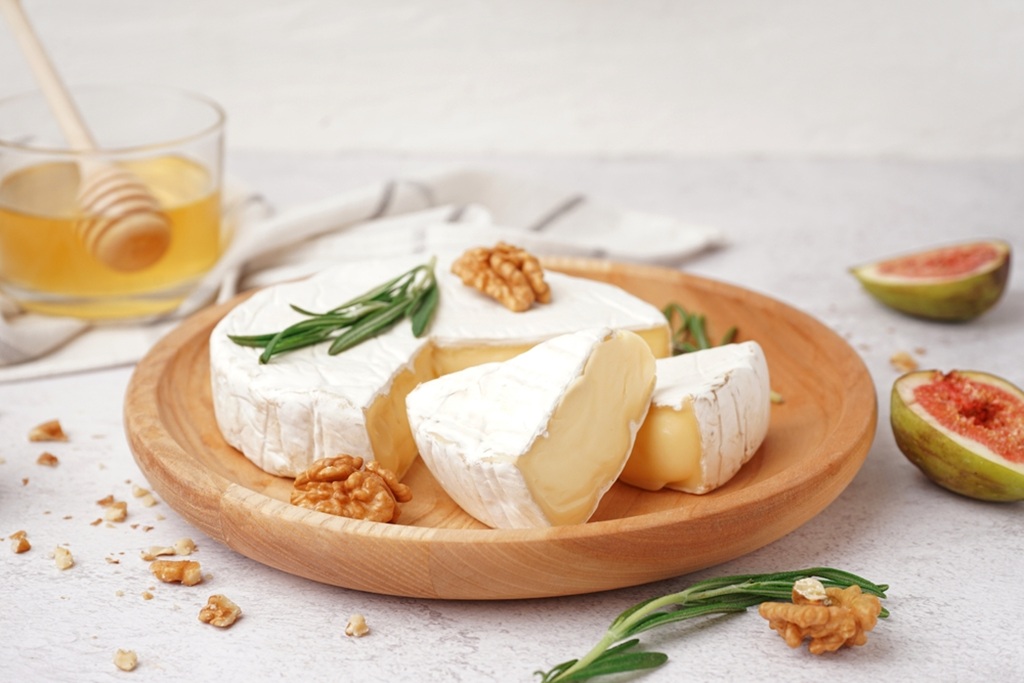
France without Camembert and Brie? Unthinkable. Yet, according to scientists, the future of these beloved cheeses might not be as secure as we assume.
The very microbes that give some French cheeses their unmistakable flavours and textures are under threat, potentially jeopardising not only France’s food culture but also its economy.
Microbes: the unsung heroes of French cheese
At the heart of traditional cheese-making lies an ecosystem of bacteria and fungi, crucial in shaping everything from Brie’s creamy texture to Camembert’s pungent aroma. However, a recent warning from France’s National Centre for Scientific Research (CNRS) suggests that the genetic diversity of these microbes is shrinking at an alarming rate.
In particular, strains of Penicillium camemberti—the fungus responsible for that distinctive white rind—are now worryingly uniform, making them more vulnerable to disease and environmental changes. Similarly, Penicillium roqueforti, used in blue cheeses like Roquefort, is facing a decline in genetic variation.
Jeanne Ropars, a researcher at the Ecology, Systematics and Evolution laboratory in Gif-sur-Yvette, said: “To date, only four populations of the fungus species P. roqueforti have been known in the world.” (CNRS The Newspaper)
Such a lack of diversity increases the risk of these essential fungi being wiped out by new pathogens or shifts in climate