
#SeniorHealth, #AgingWell, #ElderlyNutrition, #HealthyAging, #SeniorWellness, #JointHealth, #BoneHealth, #HealthyDietForSeniors, #ElderlyFitness, #AntiAgingFoods
7 Easy-to-Chew Foods to Keep Your Smile Healthy
7 Easy-to-Chew Foods to Keep Your Smile Healthy
7 Easy-to-Chew Foods to Keep Your Smile Healthy
💪🦷 As we age, simple tasks like eating can become more challenging, especially when our teeth and gums become sensitive. But did you know that small, thoughtful changes to your diet can make a big difference? You don’t have to give up the foods you love! By choosing softer, more nourishing options, you can continue to enjoy your meals while supporting your dental and overall health.
As we reach our 70s, our ability to chew comfortably becomes more important than ever, and the foods we choose can play a major role in maintaining our well-being. Discover how soft foods, like mashed sweet potatoes and scrambled eggs, can nourish not only your teeth and gums but also your body. These easy-to-chew foods offer more than just comfort; they provide essential nutrients that support energy levels, digestion, and overall health.
✅ Dental Health Benefits:
⭐ Mashed Sweet Potatoes: High in vitamin A and antioxidants, promoting gum health and a softer texture for easier chewing.
🔹 Scrambled Eggs: A protein-packed meal that’s easy on the teeth, with added benefits for strong teeth and gums.
👉 Greek Yogurt: Contains probiotics and calcium, supporting gum health and maintaining strong teeth without the added sugar of flavored varieties.
⭐ Avocados: Full of healthy fats and vitamins, they help with nutrient absorption and provide a smooth texture that’s easy to eat.
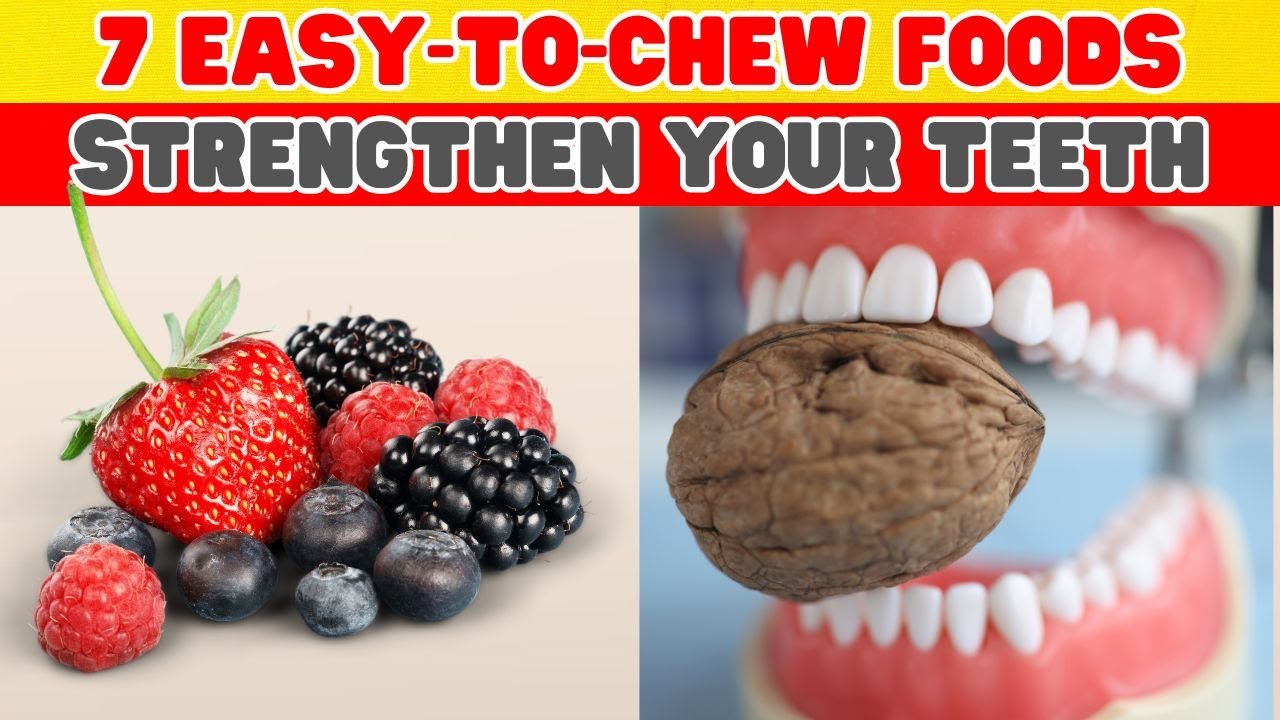
🔹 Soft Berries: Antioxidants that support gum health, and easy to chew when ripe or mashed.
👉 Cottage Cheese: A mild, low-sodium option that’s gentle on sensitive teeth and packed with calcium for bone and dental health.
⭐ Cooked Fish: Gentle on your gums, providing essential omega-3s and easy-to-chew protein.
Practical Applications & Reflections:
Making these simple adjustments to your diet can lead to a more comfortable eating experience. By choosing softer foods, you’re not only helping protect your teeth but also reducing the risk of digestive discomfort. Plus, with the right balance of nutrients, these foods support everything from better energy to improved joint health. Have you noticed discomfort with your current diet? Maybe now’s the time to try soft options like mashed sweet potatoes or scrambled eggs to make your mealtimes more enjoyable. It’s all about finding what works for you, and these foods can help you continue enjoying meals without the struggle.
#SeniorHealth #HealthyAging #Over65Wellness #TeethFriendlyFoods #NutrientRichDiet #ComfortableMeals #PainFreeEating
Copyright Disclaimer :
Under Section 107 of the Copyright Act 1976, allowance is made for ‘Fair Use’
for purposes such as criticism, comment, news reporting, teaching, scholarship, and research,
Fair use is a permitted by copyright statute that might otherwise be infringing,
Non-profit, educational or personal use tips the balance in favor of fair use
Have you ever noticed how certain foods that used to be a breeze in your 50s now feel like a challenge? You’re not alone. Many of us over 70 discover that our teeth and gums have grown more sensitive over time, and that can turn the simple joy of eating into a careful balancing act. It’s not just about comfort, either. Our ability to chew easily can affect overall dental health, which in turn influences our ability to stay wellnourished, active, and engaged in life. Even a small change, like switching to a gentler preparation or choosing softer foods, can preserve that pleasure of savoring each bite. And here’s the real news. These adjustments can make a big difference, not just to your teeth, but also your energy levels, digestion, and day-to-day comfort. One of the biggest challenges that crops up after 70 is finding foods that are both easy to chew and genuinely nourishing. Perhaps you’ve been told that softer foods don’t provide enough protein or vitamins, or that you have to settle for bland, mushy meals with little variety. It might feel as though your menu options are shrinking just when you want to enjoy them the most. Let’s face it, the thought of losing the ability to enjoy your favorite treats, whether that’s a comforting bowl of mashed potato or a soft slice of fresh baked bread, can be unsettling. But the good news is there are plenty of simple, tasty, and easy to chew options that help support better dental health, giving you a sense of comfort, enjoyment, and security about the foods you choose. Today, I’m sharing seven specific foods that can help you thrive in your 70s and beyond. Each one is carefully selected for its texture, flavor, and potential dental benefits. from preserving enamel to nurturing gum health. We’ll talk through the common misconceptions around each food, the practical ways to incorporate them into your meals, and the small shifts that can lead to remarkable changes in how your teeth and gums feel. My goal is to help you discover a whole world of possibilities that leave you feeling confident about every bite you take. This journey can make meal times more pleasant and even brighten your overall sense of well-being. Before we jump in, I want to emphasize that I’m not a dentist or a medical professional. Think of me like a culinary adviser, someone who understands the unique needs and preferences we develop as we get older. Over time, I’ve seen how friends, neighbors, and family members have tweaked their diets just a little and reaped noticeable benefits. You’ll hear some of their stories along the way. And of course, if you have concerns about specific dental or health conditions, it’s always best to consult with your health care provider. Let’s get started. And as you’re listening, I’d love for you to think about which of these tips resonates the most. Maybe you’ll try one item right away, or maybe all seven will land on your shopping list. Either way, the idea is to keep experimenting and discover what makes your body and smile feel their best. The first food is often overlooked. Despite being a powerhouse of vitamins and flavors, many people assume they need crunchy vegetables or meats to get proper nutrition, but you might be surprised at how something gentle on the teeth can offer such impressive benefits. Let’s begin with mashed sweet potatoes. It’s easy to dismiss them as holiday food or think they’re too sweet to be healthy. But believe me, sweet potatoes can be a wonderful ally for anyone looking to protect their teeth, gums, and overall well-being. A lot of folks think that sweet potatoes are nothing but sugary carbs, so they worry about cavities or contributing to other health issues. It’s a common misconception. Janice, who is 74 and absolutely loves her starchy comfort foods, used to think sweet potatoes were no different from regular potatoes. In her mind, they were just another side dish that might do more harm than good if she ate them too often. But after her dentist recommended vitamin A rich foods for gum health, Janice gave sweet potatoes a second look. What she found out was that sweet potatoes are actually brimming with beneficial nutrients like vitamin A, vitamin C, and antioxidants that may help maintain healthy tissues in the mouth. They also have a smoother texture when mashed, making them kind to sensitive gums and teeth. Janice now steams or bakes them until soft, mashes them with a little olive oil or butter, and sprinkles in cinnamon or nutmeg for flavor. She sometimes adds a small amount of ginger if she wants an extra kick. By doing this just a couple of times a week, she noticed that the pressure on her mers decreased. She was able to enjoy a filling, tasty side dish without wincing or worrying about getting bits stuck in her teeth. If you’re ready to give them a try, it’s simple. Peel, cube, and boil or steam your sweet potatoes until they’re fork tender. Mash them thoroughly, adding as much moisture as you prefer. You can even throw in a little low-fat milk or non-dairy alternative to achieve a creamier consistency. Not only does this dish go well with meats like softcooked chicken or fish, but you can also blend in garlic, herbs, or even a bit of cheese to make it a one bowl meal. The added moisture and softness reduce strain on your teeth and jaw, and you still get a sweet, comforting taste that pairs well with many dishes. One of the emotional upsides is how nostalgic and comforting sweet potatoes can feel. There’s something about a warm orange hued mash that takes you back to holiday dinners or cozy nights at home. It’s a taste of tradition and comfort, and that sense of emotional satisfaction can be just as valuable as any nutrient. Think of each spoonful as a gentle hug for your taste buds and your smile. Whether you make a large batch for the week or just a single serving, it’s an easy fix that keeps your meal soft, flavorful, and beneficial for your oral health. We’ll move on to another often overlooked option, but before we do, if you’ve ever thought about trying new takes on classic foods, now is the perfect time to jot down an idea or two. Experimenting can bring back the joy of cooking, even if your knife skills have changed over time. Now, let’s talk about scrambled eggs. Many of us have been eating eggs our whole lives, so you might think you already know what they have to offer. But, it’s easy to underrate how vital they can be for oral health, especially if chewing has become more of a chore lately. One misconception is that scrambled eggs don’t provide enough substance to be part of a robust meal, particularly for people who believe they need lots of tough protein sources like steak or raw veggies to stay strong. But here’s where the story of Ron, who is 80, might inspire you. Ron thought that because eggs are soft, they must be less valuable as a protein source compared to a hearty piece of meat. He’d only scramble them up occasionally, seeing them as a light breakfast that might leave him hungry. Yet, after he had some dental work that made chewing more difficult, his dentist advised him to increase his intake of softer proteins. That’s when Ron really started experimenting with scrambled eggs, adding vegetables, herbs, and sometimes a sprinkle of low-fat cheese for more flavor and nutrition. Over time, he was pleasantly surprised to find that a well-prepared scramble actually satisfied his hunger and gave him a gentle boost of protein, vitamins, and minerals like vitamin D and phosphorus, nutrients that help support strong teeth. What makes scrambled eggs even better is that they’re incredibly versatile and easy to chew. You can whip them up with spinach, tomatoes, or cooked onions, all of which can be finely chopped or pureeed if you need an even softer texture. For extra creaminess, try a small splash of milk. Or for a different flavor twist, use vegetable broth instead. Cook them at a low to medium heat, stirring consistently, and stop cooking right when they’re set but still moist. This approach ensures they remain fluffy and tender, perfect for anyone who wants to ease the workload on their teeth and jaw muscles. Emotionally, eggs can bring a sense of morning comfort. There’s something heartwarming about the aroma of scrambled eggs on the stove, maybe paired with whole grain toast or a side of mashed avocado for those who can handle a bit more texture. It’s a reminder that nutritious food doesn’t have to be complicated or out of reach. It can be as simple as cracking a few eggs and stirring them around a pan, especially if you don’t have the energy for a major cooking session. This small adjustment, making eggs a regular part of your routine, can help you feel more confident in your meal choices, knowing you’re still giving your body what it needs while going easy on your teeth. If you like the idea of scrambled eggs, but haven’t had them in a while, maybe tomorrow morning is the perfect time to give them a try. You might even find a new favorite way to season them or a new vegetable to toss in. Sometimes it just takes a fresh perspective and a softer bite. Moving along, let’s spotlight our next option, Greek yogurt and other soft dairy products. There’s a notion that dairy should be avoided for fear of weight gain or that it might irritate sensitive digestive systems. Some seniors, like 72-year-old Martha, believe for years that yogurt was primarily for younger adults or dieters. She assumed that once you reach your later years, dairy either becomes too heavy or simply isn’t necessary. But after she started noticing her teeth were more sensitive and her gums occasionally bled, she had a chat with her dental hygienist. That conversation changed her perspective entirely. It turns out that Greek yogurt can be a gentle friend to your teeth. It often contains probiotics that support overall gum health by helping maintain a healthy balance of bacteria in the mouth. The calcium and protein in it are also beneficial for maintaining strong teeth. And because Greek yogurt is thicker and creamier than regular yogurt, it can feel more substantial, making it easier to enjoy as a mini meal or dessert substitute. Martha found that blending Greek yogurt with soft fruits like bananas or very ripe pears transformed her breakfast routine. She’d add a drizzle of honey or a sprinkle of cinnamon, creating a treat that was smooth, easy to chew, or practically sip and satisfying. To get the most out of Greek yogurt, look for varieties that are lower in added sugar. The extra sugar can undermine the dental benefits you’re seeking. If plain Greek yogurt feels too tart, you can sweeten it naturally with pured fruit or a small amount of honey. Feel free to add in seeds or finely ground nuts if your teeth and gums can handle a bit more texture. The beauty of this approach is you’re in control of how thick or textured the final product becomes. Apart from the physical benefits, there’s an emotional comfort in having a thick, creamy treat that reminds you of indulgent desserts without the guilt or the sugar crash. Especially if you’ve been missing ice cream, but can’t tolerate the cold or the sugar content, Greek yogurt might become your new favorite substitute, and you can keep your flavors interesting by switching up the fruit or spices. Think of it as building a mini parfait at home, customtailored to your tastes and dietary needs. If you’ve been hesitant to try Greek yogurt, maybe now is the moment to pick up a small tub on your next grocery visit. See how it feels in your mouth. Notice if your teeth protest or not, and consider the nutrient boost it provides. This one simple swap can become a cornerstone of a gentler, tooth friendly meal plan. Before we explore our next food, consider this. Are there any other dairy alternatives you’ve been curious about, like soft cheeses or keir? Or maybe you’ve never tried Greek yogurt at all. If you’re open to giving it a whirl, jot down a quick note as a reminder. You just might discover a new favorite snack that truly loves your teeth back. Next up, avocados. Some folks steer clear of avocados because they’re known for being high in healthy fats, which can cause worry about weight management. But there’s a reason avocados have earned their place in various hearthealthy and tooth friendly recipes. They’re soft, creamy, and loaded with beneficial nutrients like potassium and vitamin E. Jack, who is 76, used to think avocados were just for millennials in their toast. But after his dentures started chafing his gums when he chewed tougher foods, he was willing to try just about anything that offered a smooth texture without sacrificing nutritional value. Avocados are not only easy to mash or blend, but they also pair beautifully with other nutrient-dense ingredients. You can whip them into a smooth spread and add some finely chopped tomatoes or even tomato puree, a bit of garlic, and a pinch of salt for a homemade guacamole. If tomatoes or onions are still too crunchy for your comfort, consider roasting or softening them first or skip them altogether. For a creamy meal, Jack often adds mashed avocado to scrambled eggs or soups. The result is a rich, velvety consistency that helps him maintain a calorie and nutrient intake that supports his overall health. He was surprised at how even a small portion of avocado made him feel full and satisfied, preventing him from snacking on less nutritious foods. What’s particularly comforting about avocados is their versatility. They can be the star of a dish or a subtle addition. Think of them as nature’s butter, except they offer vitamins, minerals, and healthy fats that can help with nutrient absorption. On an emotional level, avocados can bring a sense of luxury to your meals. Mashing an avocado onto a soft tortilla or a slice of toasted whole grain bread can elevate a simple lunch into something reminiscent of a cafe treat. If weight management is a concern, you can certainly watch your portion sizes. But don’t be afraid to include this nutritious food. Sometimes seniors limit their dietary variety out of fear of weight gain, when in reality, a moderate amount of healthy fats can keep you satisfied, support nutrient absorption, and encourage better overall eating habits. Keep in mind that avocados may turn brown if you leave them out in the air for too long. So, if you want to store half an avocado for another meal, sprinkle a little lemon juice on it and wrap it tightly. That way, you can extend its freshness and enjoy it whenever you need a soft and creamy flavor boost. If you’re the kind of person who loves to experiment with new recipes, try adding avocado to a smoothie with bananas and leafy greens. It’s a delightful way to sneak in extra nutrition, all while going easy on your teeth. We’ll move on shortly, but here’s a quick check-in. Which of these foods so far feels the most approachable? Sometimes it’s the comfort of sweet potatoes. Other times, it’s the ease of scrambled eggs or the creaminess of Greek yogurt. Or maybe you’re ready to become an avocado afficionado. Making a mental note can help you follow through on trying at least one new recipe this week. Now, let’s focus on soft berries like raspberries, blackberries, blueberries, or strawberries. A lot of people think that fruit must be crunchy or sour, or that only juice is appropriate if you want to protect your teeth. It’s true that some fruits can be abrasive or high in sugar, which can pose a risk if you already have sensitive teeth or gums. But that’s exactly why soft berries can be a gentle, tooth friendly alternative, especially when they’re ripe and easily mashed. Denise, who is 73, used to avoid fresh fruit entirely after she developed sensitivity in her front teeth. She assumed that anything fresh was out of the question. Instead, she drank fruit juice, hoping it was enough to get the nutrients she needed. What Denise didn’t realize was that whole soft berries offer a range of vitamins, fiber, and antioxidants that juices often lack, and in a form that’s easier on your teeth when handled properly. By choosing berries that are fully ripe, you get a sweeter flavor and a softer texture. If you’re worried about seeds, you can press them through a fine mesh seieve or quickly puree them in a blender. Denise started buying frozen berries, thawing them thoroughly until they became almost mushy, then mixing them with yogurt or oatmeal for a nutrient-dense meal or snack. She discovered that it not only satisfied her sweet tooth, but also didn’t aggravate her gum sensitivity the way unripe or overly acidic fruits might. From a dental perspective, soft berries can offer antioxidant properties that support gum health, especially if you rinse your mouth with water afterward to wash away any lingering sugars or seeds. Emotionally, introducing freshtasting fruit back into your diet can feel like reconnecting with a piece of life sweetness. The color and flavor can brighten your day, and the ease of preparation can give you a small sense of accomplishment. Whether you toss them into your morning cereal, blend them into a smoothie, or simply enjoy them on their own, soft berries can be a treat that respects the limits your teeth might set. One practical tip, if you buy fresh berries and they’re a bit tart or firm, let them sit on your kitchen counter for a day to ripen. You’ll be amazed at how much softer and sweeter they become. Alternatively, warm them gently on the stove with a little water to create a berry compost that you can spoon over pudding, yogurt, or oatmeal. It’s like dessert without the hassle of heavy chewing. Staying on the theme of easy to chew foods, cottage cheese, and other soft cheeses deserve special mention. Some seniors think that cheese is either too rich or that it has no place in a balanced diet, especially if they’ve been told to watch their cholesterol or sodium intake. But moderate amounts of low sodium, low-fat, soft cheese like cottage cheese can be both gentle on your teeth and quite satisfying. Let’s look at Dan’s experience. Dan at 75 was a lifelong cheese lover, but gave it up entirely after he got dentures because he believed cheese would cause sticky problems or add unnecessary calories. Dan discovered that cottage cheese, ricotta, and other soft cheeses could still be a big part of his meals without creating the chewing difficulties he expected. He’d blend cottage cheese into mashed roasted vegetables or spread a small spoonful of ricotta on top of a soft piece of bread with a drizzle of olive oil. Because these cheeses are packed with calcium and protein, they can also contribute to strong bones and potentially better tooth health. Many varieties are quite mild in flavor, so you can enhance them with herbs, pepper, or even fruits like peaches or soft berries. If you’re cautious about sodium, choose a low salt version and season it yourself. The emotional payoff for Dan, being able to enjoy cheese again brought back a sense of normaly and joy. It reminded him of the foods he used to savor in his younger days. Reintroducing favorite flavors in a senior friendly way can lift your spirits and help you feel less restricted by dental or chewing concerns. Pair your soft cheese with whole grain pasta or mash vegetables and you have a proteinrich meal that’s still kind to your teeth. If you’ve been missing cheese in your diet, consider exploring the softer varieties. Check the labels for sodium levels and opt for lower fat options if that aligns better with your health goals. A small portion can go a long way in adding creaminess and flavor to your meals. This is one of those small intentional changes that can expand your menu choices without straining your budget or your teeth. Before we move on to the final food, how are you feeling so far? Is there any misconception about soft foods that’s shifting for you? Sometimes just hearing these ideas can spark a new appreciation for foods we wrote off long ago. Let’s talk about properly cooked fish as our seventh contender. People often associate fish with complicated cooking techniques or worry about bones. Others think you need a steak-l like hunk of protein to feel full and build muscle. But many fish varieties, when cooked thoroughly, flake easily and require much less chewing effort than tougher cuts of meat. That’s exactly what drew Helen, who was 79, back to fish after years of relying mostly on ground beef. She was concerned about the difficulty of chewing certain cuts of meat and the toll it was taking on her dental health. A friend suggested she try fish, but Helen worried about not feeling full. She also didn’t like the idea of searching through the fillet for bones. By choosing boneless fillets of softer fish such as cod or flounder, Helen discovered a new world of easy and satisfying meals. She began by poaching fish in broth or baking it in parchment with lemon slices and mild herbs. The result was flaky, moist, and extremely gentle on her teeth. She also noticed an improvement in her overall energy, perhaps because fish can be rich in omega-3 fatty acids, which support various aspects of health. And by pairing fish with vegetables like steamed broccoli or mashed potatoes, she created balanced, inviting dinners that felt both light and filling. Emotionally, fish can remind you of special occasions or vacations by the sea, adding a pleasant nostalgia to your meal. Plus, the process of gently baking or steaming fish can be simple and worry-free once you learn a few basic steps. Just be sure to remove any stray bones or buy fillets labeled as bonefree and cook the fish thoroughly to ensure it’s soft enough for easy chewing. A bit of seasoning like lemon juice, dill, or parsley goes a long way toward making each bite feel like a small luxury. If you’re new to cooking fish, start with a very mild variety like tilapia or cod. Season it with salt, pepper, and your favorite herbs. Wrap it in parchment or foil with a little olive oil and bake it around 375° F, 190° C, for about 15 to 20 minutes, depending on the thickness. When the fish easily flakes with a fork, you know it’s ready. The gentle nature of these white fishes can help you explore protein options beyond red meat or harder to chew chicken, potentially giving your gums and teeth a bit of relief. Now that we’ve explored these eight foods, mashed sweet potatoes, scrambled eggs, Greek yogurt, avocados, soft berries, cottage cheese, and properly cooked fish, you may be thinking about how to incorporate them into your routine. Maybe you’ve realized that by focusing on flavor and comfort, you can actually enrich your diet while also taking care of your teeth. These foods aren’t just about softness. They each bring valuable nutrients and a sense of enjoyment that can keep meal times feeling positive and satisfying. Often, seniors underestimate how much their day-to-day comfort can improve by selecting foods that align with their dental needs. By choosing gentler options, you could find yourself more enthusiastic about sitting down to a meal, more willing to invite friends or family over for dinner, and even more adventurous about trying new recipes that you once thought were off limits. The key is to let go of the misconception that a soft diet must be bland or nutritionally sparse. On the contrary, these seven foods demonstrate that softer textures can mean new flavors, new combinations, and new possibilities for better health. For those feeling a bit uncertain about making changes, remember that small steps can add up quickly. Maybe you start by adding one or two of these foods into your weekly meal plan. If you like it, you can gradually expand. There’s no rush, and there’s certainly no onesizefits-all approach to dental friendly eating. You might also discover additional tips that suit your personal preferences. For example, if you like a bit of crunch, you can top your mashed sweet potatoes with finely chopped nuts, assuming your dentist says it’s safe. Or if you prefer sweeter meals, you can drizzle a little honey over your scrambled eggs. It’s all about flexibility and finding the balance that gives your teeth and gums the relief they deserve without sacrificing flavor. If you’ve been considering talking to your dentist or dietitian about your meal choices, this might be the perfect time. These professionals can provide guidance tailored to your specific situation, including how to balance softer foods with any other dietary needs you might have. The more personalized the plan, the easier it will be to stick to it. Before we wrap up, let’s do a quick mental recap. Picture your plate with a portion of flaky fish, a side of mashed sweet potatoes, and maybe a dollop of Greek yogurt mixed with soft berries for dessert. Alternatively, think about starting your day with scrambled eggs and avocado, or finishing your night with a small bowl of cottage cheese and fruit. Let these mental images remind you that nutritious, satisfying, and tooth friendly foods are well within reach. There’s no better time to begin than now. The sooner you start experimenting with these foods, the quicker you’ll see if they help reduce discomfort and heighten meal enjoyment. Don’t let the fear of change hold you back from reclaiming the pleasure of good meals. Think of it as a gradual step-by-step journey that respects your body’s evolving needs rather than a sudden overhaul. If you’re feeling ready to move forward, why not choose one meal this week where you incorporate at least two of the foods we’ve discussed? Or if you prefer a slower approach, start with a single recipe. A small batch of mashed sweet potatoes or a single serving of Greek yogurt and fresh berries. Share your experiences with friends or family members or even in an online community of like-minded seniors. You might be surprised at how many people are on a similar journey and how much wisdom there is to share. If you want to go even deeper, consider setting up a quick check-in with your dental hygienist or dentist. Let them know you’re making changes to your diet to better accommodate your teeth and gums and ask if they have any specific suggestions. You could also explore cooking demonstrations at your local senior center where you can learn new recipes firsthand and taste them on the spot. Finally, if you feel inspired to help others, pass along this information to someone else who might be struggling with chewing issues. We often underestimate how much small acts of sharing can do for a loved one’s day-to-day quality of life. Whether it’s a neighbor, friend, or relative, a tip about easy to chew foods could spark hope and renew their interest in meal times, just as it has for so many people I’ve known. Embrace the soft, flavorful journey ahead. Each bite you take can contribute to stronger oral health, better nutrition, and a renewed sense of comfort in what and how you eat. Remember, you’ve accumulated a lifetime’s worth of wisdom, and this is just another step in adapting gracefully to where you are now. Together, we can savor delicious meals, maintain our independence, and keep smiling with confidence at every stage of life.