
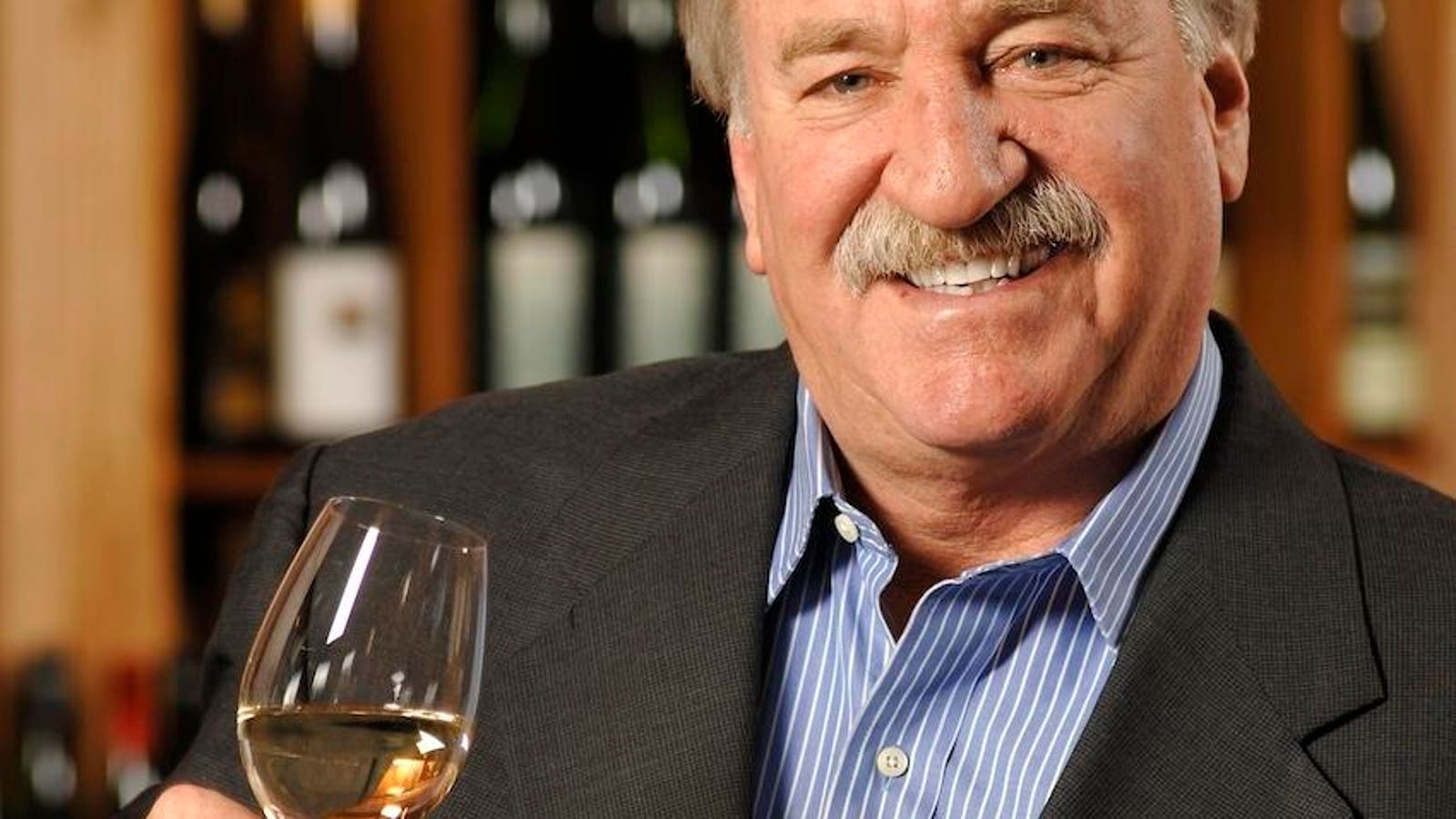
Jim Trezise, President of Wine America
Trezise
Small family wineries have been operating in the U.S. since before the country was founded, with reports of wine made from native grapes dating back to 1610 at the Jamestown settlement. Today, wine is produced in all 50 states by 10,761 wineries, of which the majority are small family-owned businesses. A new report on the U.S. wine industry has revealed that its economic impact has reached $323.55 billion.
Commissioned by Wine America, a national wine industry association that supports the development of American wineries and vineyards by advocating for sound public policy, the report outlines the positive impact of the industry and also includes the economic impact of the wine industry in individual states.
“Wine is a tasteful economic engine that generates billions to the US economy,” stated Jim Trezise, President of Wine America, when I reached out to him in an online interview. “It also provides 1.75 million jobs and $102.14 billion in annual wages. Plus, it generates $53.24 billion in total taxes. In other words, wine is liquid gold.”
Highlights from 2025 Economic Impact Study on the U.S. Wine Industry
Wine America
The report, compiled by economic research firm John Dunham & Associates, not only examines the direct impact of growing grapes and making wine, but also investigates the supplier impact and local benefits from employees spending their wages.
To date, Wine America has completed three of these studies, and Jim explained that the reason they invest in them is to keep track of where the industry is trending in various areas, but also to inform legislators of the value of wine from vine to glass.
“People often envision the wine industry as a romantic stroll through a lush vineyard with a glass of elixir on a sunny day. It’s a very challenging business, and the vast majority of American wineries are small family farms,” he explained. “When it comes to wine, consumers love aroma, bouquet and taste. Legislators love jobs, wages, and taxes. We’re trying to give them what they love.”
Family Members from L’Ecole Winery in Washington State: Riley Clubb, Melissa Clubb, Marty Clubb, Megan Clubb, & Becca (Clubb) Olson
L’Ecole
Many Small American Wineries Thrive While Others Struggle
The report has been published at a useful time, because wine sales volume in the U.S. market has decreased over the past several years, even though total sales revenues, including imported wine, managed to reach $109 billion in 2024.
“I’ve been in the wine industry for 43 years, and today we face the most daunting mix of challenges ever: Climate change (wildfires, floods, freezes), generational changes in attitudes and consumption, tariff wars creating uncertainty, reduced funding for agricultural research, potential changes in dietary guidelines, reductions in TTB regulatory staff, cannabis legalization, anti-alcohol movements, alcohol tax proposals, and more,” stated Jim.
The report helps put into perspective how, despite the many challenges, some small family wine businesses are succeeding, whereas others are struggling.
“Being immersed in the wine business, my understanding is that the decreased sales are primarily in the bulk-produced, low-cost wines sold in supermarkets,” explained Jim. “The vast number of American wineries across all 50 states are small, family-run businesses whose survival and prosperity depend on selling directly to consumers at their tasting room, through wine clubs, or in other ways.”
This premise is supported by the 2025 SVB Direct-to-Consumer Wine Report showing that wineries that did 60% or more of their sales via DtC were profitable, and those under 40% were not.
Jon’ll and Mathew Boyd, Family Owners of Boyd Cru Winery in Maryland
Boyd Cru Winery
Impact of Tariffs on the U.S. Wine Industry
Our conversation moved on to the impact of the tariffs on the U.S. wine industry, and Jim expressed his concern over this situation.
“Tariffs are typically bad for wine, especially small wineries. For one thing, they are never one-way; there’s always retaliation, so tariffs breed tariffs. Also, tariffs artificially increase prices for consumers, often decreasing sales, which the smaller wineries can least afford,” Jim stated.
He cited the tariff situation with Canada, which embargoed U.S. wines, after the first round of tariffs were levied against them in April 2025.
“So those embargoed wines (worth $1.1 billion) came back to the US, crowding store shelves and restaurant wine lists where small wineries from other states may have a chance. Even if this situation is resolved reasonably soon, the damage is already done and will take a long time to reverse,” he stated.
Marie Chantal-Dalese, CEO of Chateau Chantal, and her father, Robert Begin, Founder, in their Michigan Vineyard
Chateau Chantal
The Future of the American Wine Industry
As a conclusion to the interview, I asked Jim about his viewpoints on the future of the U.S. wine industry, and his statements were much more positive.
“Bright!” he exclaimed. “Crisis equals opportunity. During my four decades, I’ve witnessed many up-and-down cycles and dramatic comebacks.”
He cited how the white zinfandel craze created the new category of blush wines and opened new consumer segments in the 1980’s when the industry was floundering; how the CBS’s 60 Minutes of “The French Paradox,” airing changed consumer perspectives about red wine to the positive in the 1990’s when anti-alcohol movements were decreasing sales; and how when the New York wine industry was in economic crisis, a comprehensive package of enlightened legislation turned everything around so the grape and wine industry quickly became the fastest growing parts of the state’s large agricultural and tourism sectors.
“Vines are tough plants, and so are the people who tend them. They are driven by passion, commitment, and collaboration.”
Jim Tresize, President of Wine America
“If we use our imaginations and learn new things, we come out stronger. The secret of success: Don’t just cry. Do something!,” he stated.
He added that wine has been part of human culture for 8,000 years as a liquid food, celebratory beverage, source of pride, and path to friendship and romance. It is also perceived as an alcoholic beverage of moderation that connects people.
“Vines are tough plants, and so are the people who tend them. They are driven by passion, commitment, and collaboration. Don’t worry: We’ll be around,” he concluded.
Jennifer Sahara, Kelsey Dalbec, and Tim Dalbec, Family Owners of Sakura Winery in California
Ron Essex Photography 2025