
Summary 
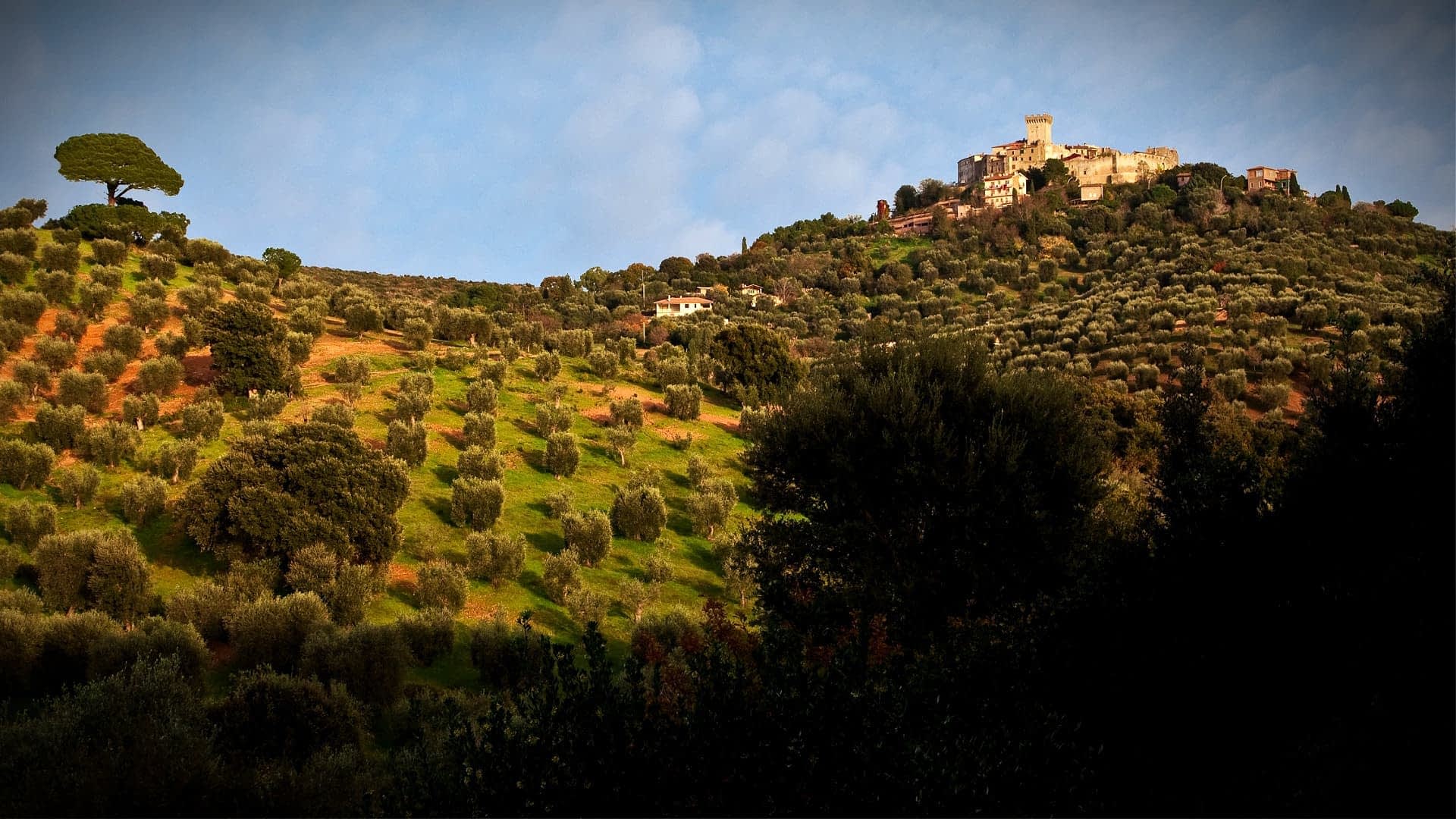
The appearance of Tuscan hills covered with olive trees is a recent landscape dating back to the 19th century, with olive cultivation expanding due to increased demand and favorable conditions. Olive oil became a staple in Tuscan cuisine and played a significant role in shaping the region’s cultural identity and culinary traditions.
Contrary to popular belief, the appearance of Tuscan hills densely covered with olive trees is a relatively recent landscape that dates back to the second half of the 19th century.
Not only did the number of olive trees increase in many areas that may have previously had sparser plantations, but olive groves also spread to recently reclaimed areas, such as the Maremma or the Valdichiana.
For centuries in Tuscany, lard and pork fat were the most prevalent dietary fats for the working class, especially farmers. Conversely, olive oil had a more “urban” and somewhat “luxurious” character.
See Also:Tuscan Producers Manage Difficult Harvest to Achieve Outstanding Results
Only after the 15th century was there an economically significant long-distance exportation of Tuscan olive oil, which was already highly appreciated based on contemporary prices.
Before the emergence of Tuscany, oils from Liguria, Marche, Campania and Puglia, especially the latter two, had started to travel across the region.
In these last two regions, as early as the first half of the 14th century, Florentine merchants were sourcing oil for soap manufacturing and wool preparation for cloth production.
Although wild olive trees were documented in some coastal regions, Tuscan olive cultivation was developed as a slow burn largely driven by human effort.
It was certainly slower and more complicated than the spread of vines, partly due to a lower capacity for climatic and altitudinal adaptation and greater economic difficulty in investment since the olive tree only begins to reward the grower years after planting.
In Italy, the first cultivated olive trees are believed to have appeared in Sicily and Magna Graecia, likely influenced by Greek colonists (it is noteworthy that the Latin and Etruscan vocabulary related to olive and oil is almost entirely of Greek origin).
In Etruria – a historical region of Italy including present-day Tuscany, along with parts of Umbria and Lazio – oil production is attested to at least from the middle of the 7th century BC.
However, olive cultivation did not have a significant role there, while pig farming was much more important.
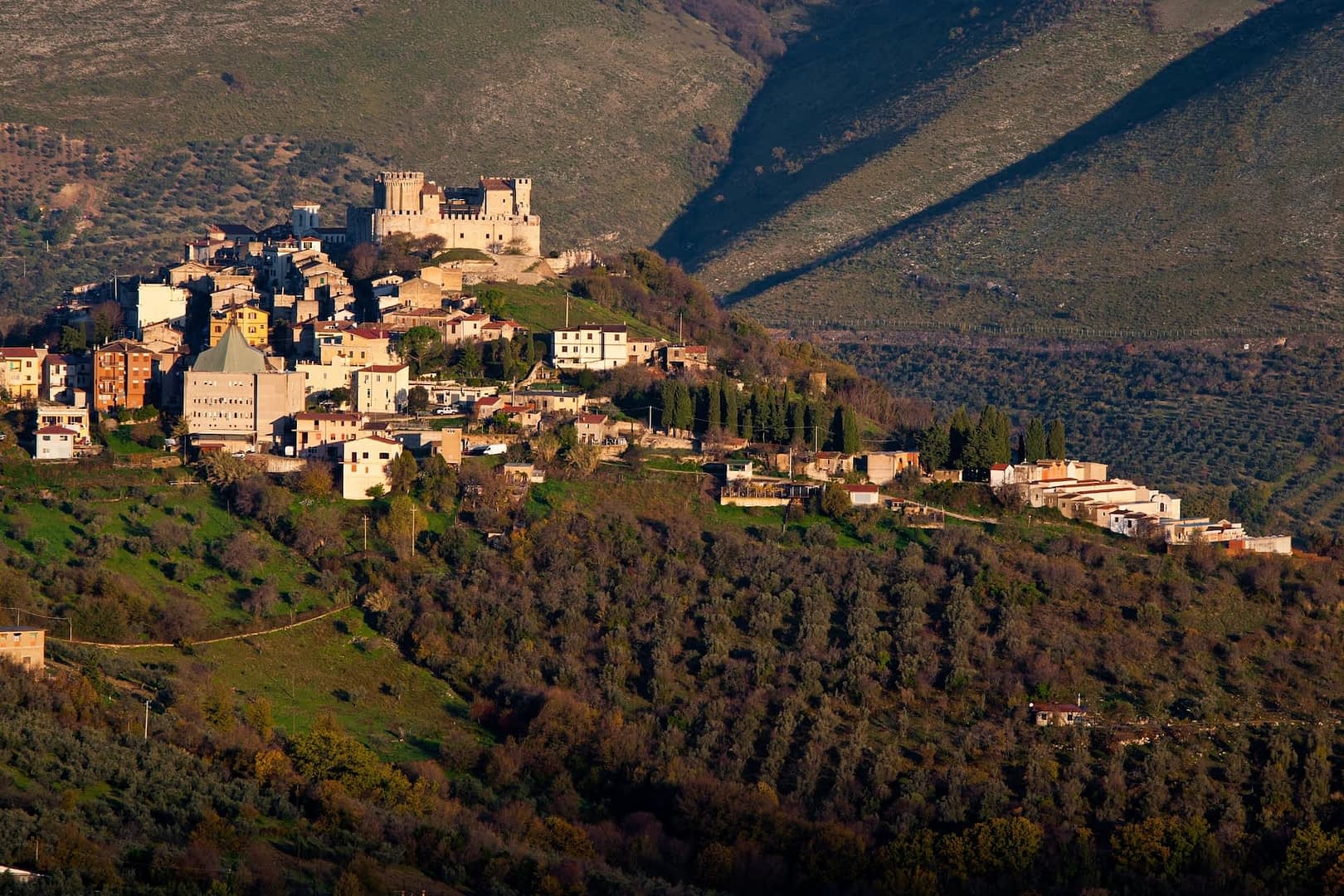 Nerola, Italy
However, a Tuscan document from the early 9th century AD, after the collapse of the empire and the influx of populations from the north and east had contributed to the re-emergence of the use of animal fats in Italian cuisine (the dietary habits of the invaders and the expansion of uncultivated land and animal husbandry were moving in the same direction), curiously and significantly referred to the tempus de laride, the time of lard, as one of the milestones of the agricultural-pastoral calendar.
Most likely, nothing similar could have been said about olive oil in any corner of Tuscany, not even in Versilia, the hinterland of Livorno, or the hills of Lucca, which are the areas where most reports of olive cultivation were documented in the early years.
However, the situation began to change in Tuscany in the following centuries. The gradual expansion of olive cultivation can be attributed to several factors.
Firstly, the climate and soil conditions in certain parts of Tuscany favored olive tree growth. The mild Mediterranean climate, with its hot summers, temperate winters, and well-drained soils, provided suitable conditions for olive trees to thrive.
The cultural and economic exchanges with other regions of Italy and the Mediterranean also played a role in the spread of olive cultivation. As trade routes developed and communication improved, knowledge and techniques related to olive cultivation and oil production were shared and adopted. This exchange of ideas and practices contributed to the gradual expansion of olive groves in Tuscany.
Furthermore, the increasing demand for olive oil, both domestically and internationally, also stimulated the growth of olive cultivation.
Olive oil was a food staple and had various uses in industries such as soap manufacturing and textile production. The economic potential of olive oil production motivated farmers to invest in olive groves and increase their cultivation.
Over time, the landscape of Tuscany started to transform as more olive trees were planted. The hillsides that were once covered with other vegetation or used for different agricultural purposes gradually became adorned with the characteristic silvery-green foliage of olive trees. The picturesque scenery of rolling hills dotted with olive groves became synonymous with the Tuscan countryside we recognize today.
The cultivation of olive trees in Tuscany has shaped the physical landscape and influenced the region’s culinary traditions and cultural identity. Tuscan cuisine relies heavily on olive oil, which imparts a distinct flavor to the local dishes.
As a result, olive oil has become an integral part of Tuscan gastronomy and is highly valued for its quality and organoleptic characteristics.
Dining and Cooking