
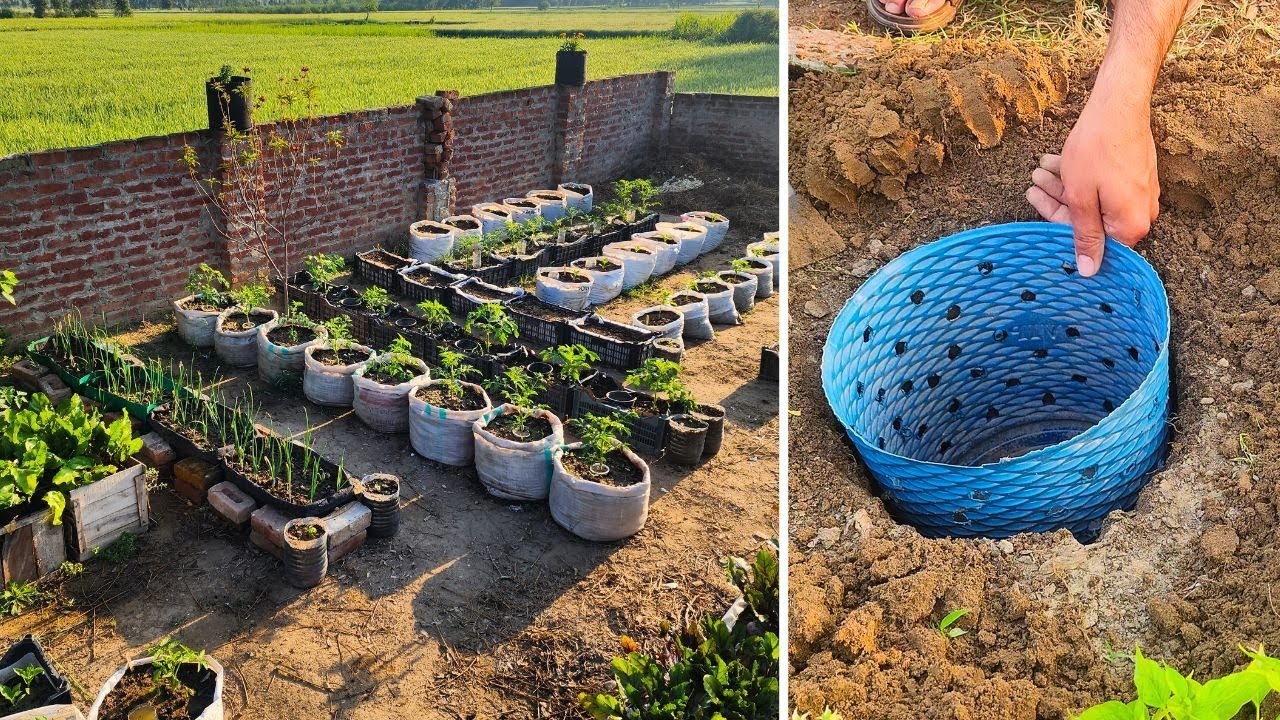
Start A Vegetable Garden & Hidden Feeding Method Will Supercharge Your Container Garden!
Grow Huge Vegetables in Small Pots With This Genius Bottle Trick! 🌱🍅🥒
If you think you need a big garden to grow healthy, productive vegetables… think again! In this video, I’ll show you how to start a container vegetable garden AND reveal my secret plastic bottle root-feeding method that gives tomatoes, cucumbers, and other veggies the nutrients they need—RIGHT at the roots!
This easy DIY trick turns your container into a mini living compost bin, feeding your plants for FREE while improving your potting mix over time. No expensive fertilizers, no complicated setups—just a simple, recycled plastic bottle and organic scraps from your kitchen or garden.
Here’s what you’ll learn in this video:
✅ The 4 essential steps to start a successful container vegetable garden
✅ How to choose the right pots and soil for healthy root growth
✅ The secret placement of your plastic bottle for maximum feeding efficiency
✅ What organic materials to add for fast growth and strong plants
✅ How often to refill your bottle for continuous nutrition all season long
Whether you have a balcony, patio, driveway, or rooftop, this method works anywhere! Perfect for small-space gardening, urban gardening, or anyone who wants BIG harvests in tiny spaces.
🌱 Don’t forget to SUBSCRIBE for more organic gardening tips, natural fertilizers, and vegetable growing hacks!
👍 LIKE this video if you love simple gardening tricks
🔔 TURN ON notifications so you never miss a new upload
#ContainerGardening #GardeningHacks #VegetableGardening #OrganicGardening #PlasticBottleHack #TomatoTips #CucumberTips #UrbanGardening #SmallSpaceGardening #GrowYourOwnFood #DIYFertilizer
Container gardening is a fantastic way to grow vegetables, especially when you lack yard space. If you have a small gardening area or only have access to a patio, balcony, driveway, or rooftop, see our guide on vegetable container gardening for beginners. The great thing about growing in containers is being able to pick up pots and move them where you know they’ll thrive. Even if it’s only one or two pots on the side of your driveway or in the corner of your balcony, gardening in containers allows you to maximize all of your available space. Things to consider before choosing a pot. Ensure the pot is appropriate for the plant size and root system. It should have enough space for the roots to grow without being cramped. Good drainage is crucial to prevent water logging and root rot. Look for pots with drainage holes or plan to create some if they’re not present. Some materials like terracotta can be affected by freezing temperatures. Consider the climate in your area when choosing a pot. Types of DIY pots to consider before starting. Number one, wooden pots. These are often aesthetically pleasing and can complement various garden styles. They’re natural-looking and can blend well with outdoor settings. However, wooden pots can break down over time due to moisture exposure and might need liners to prevent soil contact which could cause rot. On number two, fabric pots. Made from breathable materials like felt or fabric, these pots provide excellent irerration and drainage for plants. They prevent root circling by allowing air to reach the roots, promoting healthier growth. Fabric pots are also lightweight and portable. However, they might dry out more quickly than other materials, requiring more frequent watering. Number three, plastic pots. These are durable, lightweight, and come in various sizes and shapes. Plastic pots retain moisture better than some other materials, reducing the frequency of watering. They are also less prone to breakage and are typically more affordable. However, they don’t provide the same breathability as fabric or wooden pots, which could affect root health if drainage isn’t adequate. Now, let’s talk about the best soil for container gardening. In order to grow healthy plants, you need healthy soil. Plants in containers need the best possible nutrients, irerration, and drainage in order to encourage healthy root growth and to produce a good harvest. Here is what we use in our container vegetable garden. To create a potting mix, we combine 50% lomi garden soil with 50% compost or fully decomposed manure. Lomi soil provides a balanced mixture of sand, silt, and clay, offering good drainage while retaining moisture and nutrients. Compost or fully decomposed manure adds valuable organic matter and nutrients to the mix, promoting healthy plant growth and enhancing soil structure. This blend creates an ideal growing medium with a balance of texture, drainage, and nutrient content, ensuring optimal conditions for plant growth and development. Here are a few extra but important tips you need to know before starting a container vegetable garden. Number one, providing the right light and temperature. Most fruing vegetables like tomatoes and peppers need full sun, meaning at least 6 hours of direct sunlight each day. But some gardeners might overestimate how much sun an area really gets. For your veggies to thrive, you’ll need an accurate assessment. If you live in a hot climate, you might need to shade your plants during the heat of the afternoon so they don’t overheat. On number two, watering your container garden. Watering your container garden is vital for plant health. The frequency largely depends on factors like plant type, container size, and weather. Generally, a consistent watering schedule works best. Ensure your containers have drainage holes to prevent water logging. Monitor soil moisture by inserting a finger about an inch deep. Water when it feels dry. Morning watering minimizes evaporation loss and allows plants to absorb moisture before the day heats up. Three, feeding your plants. Plants need nutrition to thrive and their food is fertilizer. If your soil doesn’t have fertilizer already mixed in, add some several times throughout the growing season according to the directions on the label. Many gardeners mix organic granular fertilizer into the containers before planting. Then every couple of weeks add diluted liquid fish emulsion or compost tea to give the plants the nutrition they need. If you want to learn to make compost tea at home, the link to the video is in the description box. I hope you like this information. Please subscribe to my YouTube channel and share this video with your friends and family. Giving plants fertilizers directly to their roots is an effective way to ensure they get the nutrients they need while also enriching the soil. This method transforms your garden bed or container into a living compost bin, gradually improving the soil’s health and fertility. Here’s a simple and environmentally friendly way to do it with recycled plastic bottles. Begin by collecting old plastic bottles. Clean them thoroughly and poke numerous small holes around the bottles. These holes allow nutrients to seep into the soil. Next, cut the bottle’s top, but leave it attached on one side to form a flap that can be easily opened and closed. This flap will allow you to add materials to the bottle while keeping it covered. Bury the bottle in soil near your plants, leaving about a half inch of the top exposed. The buried bottle should be near the plant roots but not directly touching them. This setup allows nutrients to reach the roots more efficiently. Now you can begin adding organic materials that your plants require. Kitchen waste, weeds, compost, and banana peels are excellent options. The type of material you use will be determined by your plant’s needs at various stages of growth. For example, seedlings require a lot of nitrogen to grow properly. Adding weeds and then pouring water into the bottle will result in a nitrogen-rich mixture. The fermentation process takes four to 5 days to begin. So, you’ll need to fill your bottle every other day or even daily on hot summer days. When your plants reach the flowering stage, their nutritional requirements change. For example, tomato plants require more potassium at this stage. Instead of weeds or kitchen waste, try banana peels, which are high in potassium. Cut the banana peels into small pieces before placing them in the bottle. This speeds up their decomposition, allowing your plants to receive nutrients more quickly. This method, which uses recycled bottles to deliver nutrients directly to plant roots, has numerous benefits. It reduces waste by recycling plastic bottles and kitchen scraps while also improving soil health by adding organic matter on a regular basis. Over time, your soil becomes more fertile and capable of supporting healthy plant growth. Furthermore, it is a lowcost and simple way to ensure that your plants receive the nutrients they require at the appropriate time. If you found this guide useful, please like, share, and subscribe for future gardening tips.
3 Comments
This channel is criminally underrated.
How did I just find this now?
Did your planting succeed in the hot sun?