
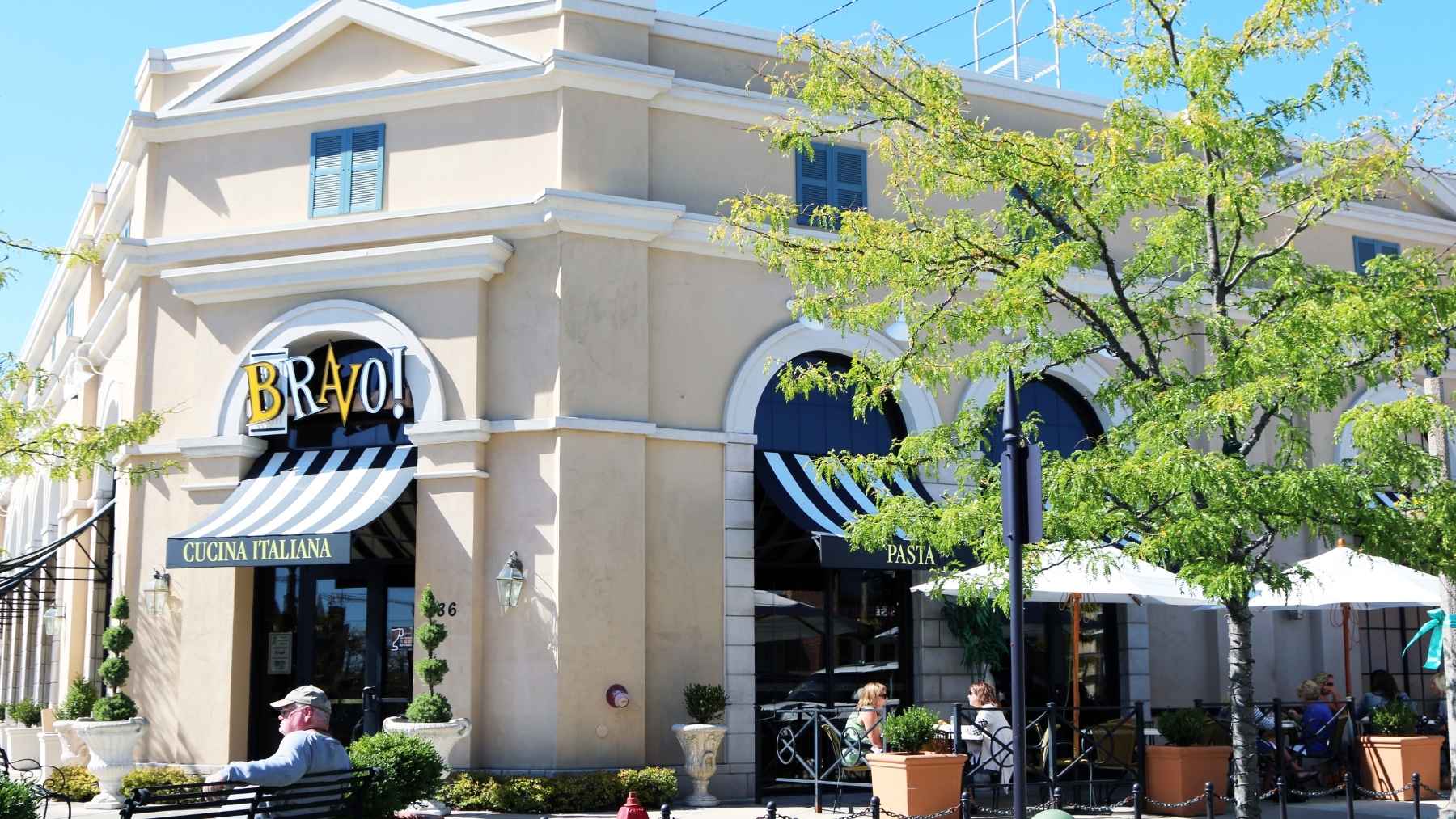
Bravo Brio Restaurants LLC, a well-known Italian restaurant operator, has filed for bankruptcy protection. This is not a blanket closure of the brands; rather, the company—parent of Bravo! Italian Kitchen and Brio Italian Grille—said it was forced to seek Chapter 11 because of sustained financial pressures.
What Went Wrong for Bravo! and Brio
According to court filings, the company lists between $50 million and $100 million in assets and liabilities and 200 to 999 creditors. Its largest unsecured trade creditor is Sysco, at about $1.9 million, along with hundreds of thousands of dollars owed to landlords and suppliers across multiple states where it operates.
The company cited the following challenges behind the filing:
Rising food and labor costs amid inflation.
Softer discretionary spending as families dine at home to cut costs.
Lower foot traffic at certain malls and shopping centers that house its locations.
Intense competition from concepts stressing lower average checks and value.
“Macroeconomic forces beyond the company’s control have weighed heavily on its business… ongoing inflationary pressure, rising food and labor costs, and a softening in discretionary consumer spending have contributed to underperformance,” Bravo Brio said.
A Repeat Struggle
This is the second trip through Chapter 11 in five years for the brands. In 2020, the prior owner FoodFirst Global Holdings Inc. filed for bankruptcy and subsequently sold Bravo! and Brio to Earl Enterprises, a hospitality group. Industry sales volatility, higher operating costs, and pandemic after-effects have continued to pressure casual-dining operators, including these two legacy Italian concepts.
A Bigger Trend in Dining
Bravo Brio is not alone in restructuring. Over the past year, several restaurant operators and franchisees in Italian and pizza segments have sought court protection, including Bertucci’s, as well as franchise operators for Pizza Hut and Domino’s, among others. While their situations differ, the common themes are higher input costs, staffing challenges, shifting traffic patterns, and consumers trading down.
Buca di Beppo – August 2024
EYM Pizza L.P. (Pizza Hut franchisee) – July 2024
People First Pizza Inc. (Domino’s franchisee) – March 2025
Bertucci’s – April 2025
Red Door Pizza LLC (Little Caesars franchisee) – July 2025
Bravo Brio Restaurants – August 2025
Olive Garden Holds Strong
Even as some mid-tier Italian chains struggle, Olive Garden remains a national leader. That said, Texas Roadhouse recently surpassed it in U.S. sales, underscoring how concepts with tight value propositions and strong brand loyalty can thrive in a tougher environment while others recalibrate.
What It Means for Your Local Bravo! or Brio
A Chapter 11 filing does not automatically close your local restaurant. Management has said it intends to continue operating while using the court process to reduce debt and close underperforming sites. The footprint today is roughly 50 locations across the country, with Brio Italian Grille concentrated in states such as Florida, Texas, New Jersey, and Ohio, and Bravo! Italian Kitchen most visible in parts of the Midwest and Mid-Atlantic. Whether a specific location survives will depend largely on recent store-level profitability and lease terms.
Conclusion
Like many casual-dining operators, Bravo Brio Restaurants LLC is using Chapter 11 to restructure rather than liquidate, aiming to emerge with a healthier balance sheet and a tighter portfolio. The wider Italian casual-dining segment remains challenged, and smaller chains without scale are feeling the squeeze. Larger brands with entrenched customer loyalty have fared better, but the landscape is shifting. For now, expect most Bravo! and Brio locations to remain open as the company evaluates performance and works through the court process.
Dining and Cooking