
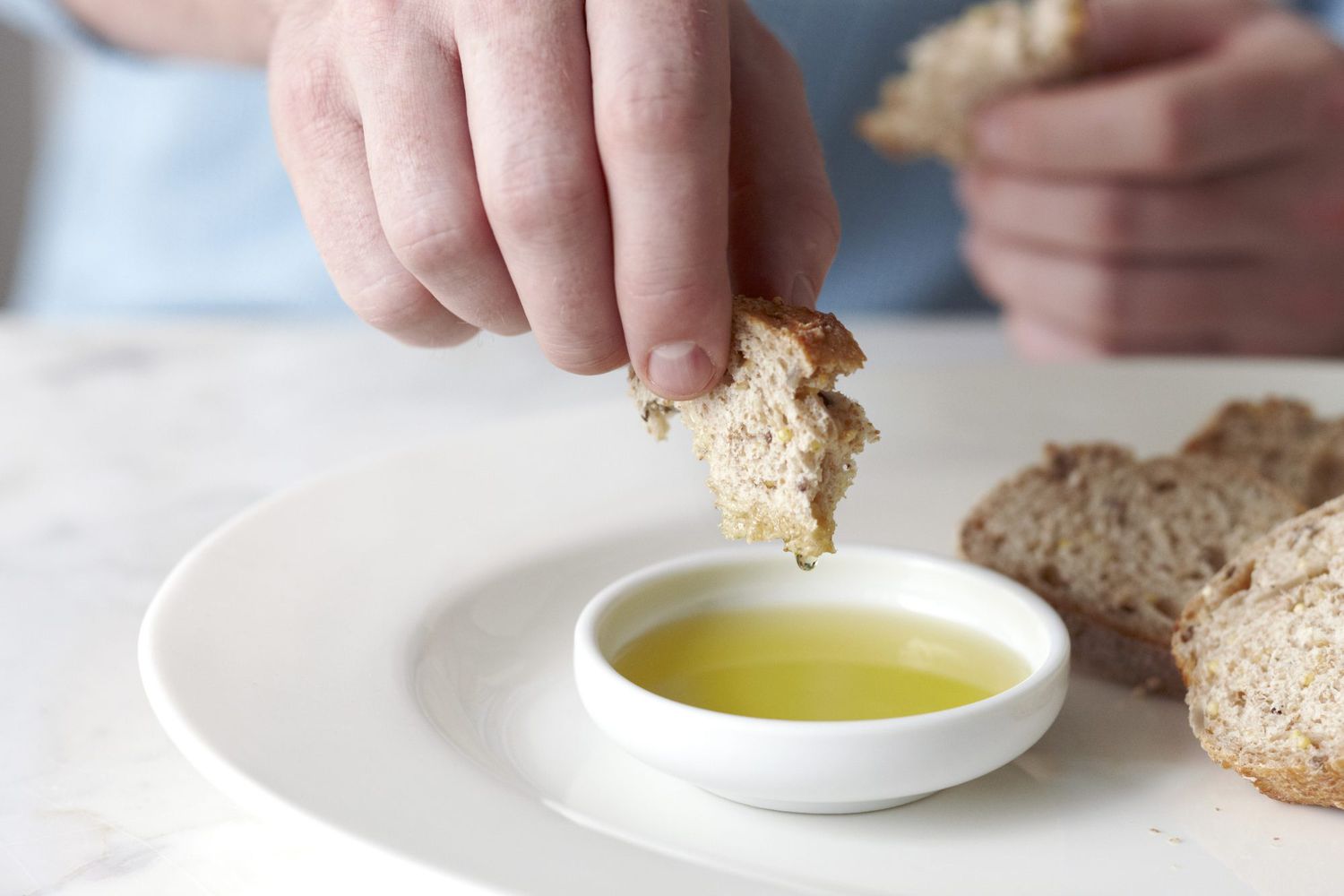
Extra-virgin olive oil is freshly squeezed fruit juice. That might sound weird, but olives are a type of fruit, and olive oil is what you get when you crush and process them. Fruit juice. Since orange and other juices expire, does olive oil go bad too? While a bottle of olive oil has a much longer shelf life than a carton of orange juice, it will go bad eventually—especially if you store it improperly. Here’s how to see if your olive oil has gone bad, and what to do to extend its shelf life.
Does Olive Oil Go Bad?
If you go through a steady stream of olive oil at your house, it may make sense to go for the largest bottle you can find. But if you aren’t very heavy-handed, buy it in smaller bottles because olive oil does go bad. Once it has been bottled and sealed, olive oil typically has an 18- to 24-month shelf life. Since extra virgin olive oil undergoes less processing, it lasts a shorter time, about 12 to 18 months. Some bottles list a harvest date to help you determine the age of your olive oil.
Olive oil is not like wine; it will not improve with age. This means you should definitely open up that fancy oil your cousin brought you from her trip to Italy that you’ve been saving for a special occasion. But once you open that bottle, it’s best to use it within a month or two. Oxidation, or exposure to air, causes the quality of oil to deteriorate and eventually turn rancid.
Credit: Getty Images
How To Store Olive Oil For A Longer Shelf Life
In addition to air exposure, high temperatures and sunlight negatively affect the quality of olive oil. Look for containers made of tin, stainless steel, or dark glass to reduce exposure to light. Dark plastic containers also provide some protection from light, but because plastic is permeable, air exposure can cause the oil to turn rancid more quickly. This may not be a problem for families who go through a bottle of olive oil quickly, but you may want to avoid plastic if your bottles tend to sit in the pantry untouched.
It goes without saying that you shouldn’t transfer your oil to a clear glass bottle unless you intend to use it very quickly. Also, store bottles in the pantry, not on your countertop. Definitely don’t leave your olive oil sitting next to the stove. Oil that is stored in a dark, cool spot will last the longest.
How To Tell When Olive Oil Goes Bad
Olive oil may appear cloudy, but that’s generally OK. It can happen at lower temperatures or from sediment in unfiltered oil. To truly tell whether olive oil is bad, taste and smell are the true indicators. It helps to know what fresh olive oil smells like so that you’ll recognize when it goes off. Depending on the type of olives used, the oil can vary in flavor and aroma, ranging from spicy to buttery to floral. But when it is fresh, good olive oil will have a bright, grassy, “green” smell. If your oil smells rancid or—as some report—like a box of crayons, it’s time to replace the bottle.
Still not sure? Taste a teaspoon of the oil. Oil that has expired, was made with less-than-fresh olives, or wasn’t made with olives at all (it happens) has a flat or even musty flavor. And there won’t be a desirable peppery kick in the back of your throat. According to California Olive Ranch, a favorite grocery store brand, a mild stinging in the throat is good and signals that the oil is rich in polyphenols, a type of antioxidant. You may also taste bitterness at the back of your tongue, which is an indicator of extra virgin olive oil. So-called light olive oil—it’s more processed, not a diet product—will have a light color and milder flavor.
Is Olive Oil Good For You?
Olive oil is a good source of vitamin E and antioxidants that protect against harmful free radicals, which can damage cells and cause disease. It’s also full of healthy monounsaturated fats that can lower bad cholesterol and reduce the risk of stroke and heart disease.
How To Use Olive Oil In Cooking
Olive oil lends a fruity, buttery, nutty taste to dishes. While it’s used for dishes like sauteed vegetables, vinaigrettes, and sauces, the flavor shines in simple dishes like these:
Is It OK To Use Expired Olive Oil?
If you hate to throw out a large quantity of olive oil that’s gone rancid, you may be tempted to cook with it anyway. What happens if you eat expired olive oil? It’s not likely to make you sick, but it can affect the flavor of your dish and leave a waxy or greasy aftertaste. Once oxidation begins, the health benefits of olive oil also start to decline as the healthy fats break down, causing a loss of antioxidants and the formation of free radicals, which damage cells. While accidentally consuming bad olive oil won’t cause immediate harm, it shouldn’t be a regular occurrence since consuming fresher olive oil has better health benefits.
What To Do With Expired Olive Oil
Don’t worry, there are other ways to use expired olive oil than in your cooking. Use it for soap-making or to make candles. It can lubricate squeaky doors or a stuck zipper. It can also remove paint from your hands and gum from hair. Don’t dispose of any extra olive oil by pouring it down the drain because it will clog your pipes.
Frequently Asked Questions
Should olive oil be refrigerated after opening?
Refrigerating olive oil isn’t recommended for storage since it can lead to condensation that causes an off flavor. However, it will work if there is no other cool place to store the oil. Olive oil may turn cloudy and solidifies in the refrigerator, so plan ahead if you need it for a recipe and let it sit out for about 30 minutes.
Can you freeze olive oil?
Yes, olive oil can be frozen. As with refrigeration, it’s not the ideal storage spot, and a cool, dark pantry is best. If you have more olive oil than you will use before it goes bad, freezing is an option. Pour the olive oil into covered small containers, such as a covered silicone ice cube tray, so you can thaw and use as much oil as you need.
What is the healthiest oil for frying?
Avocado, olive, soybean, peanut, and canola oils are high in monounsaturated fats, making them a healthy alternative to saturated fats. They also have a high smoke point.
Dining and Cooking