
Static Media / Shutterstock / Getty
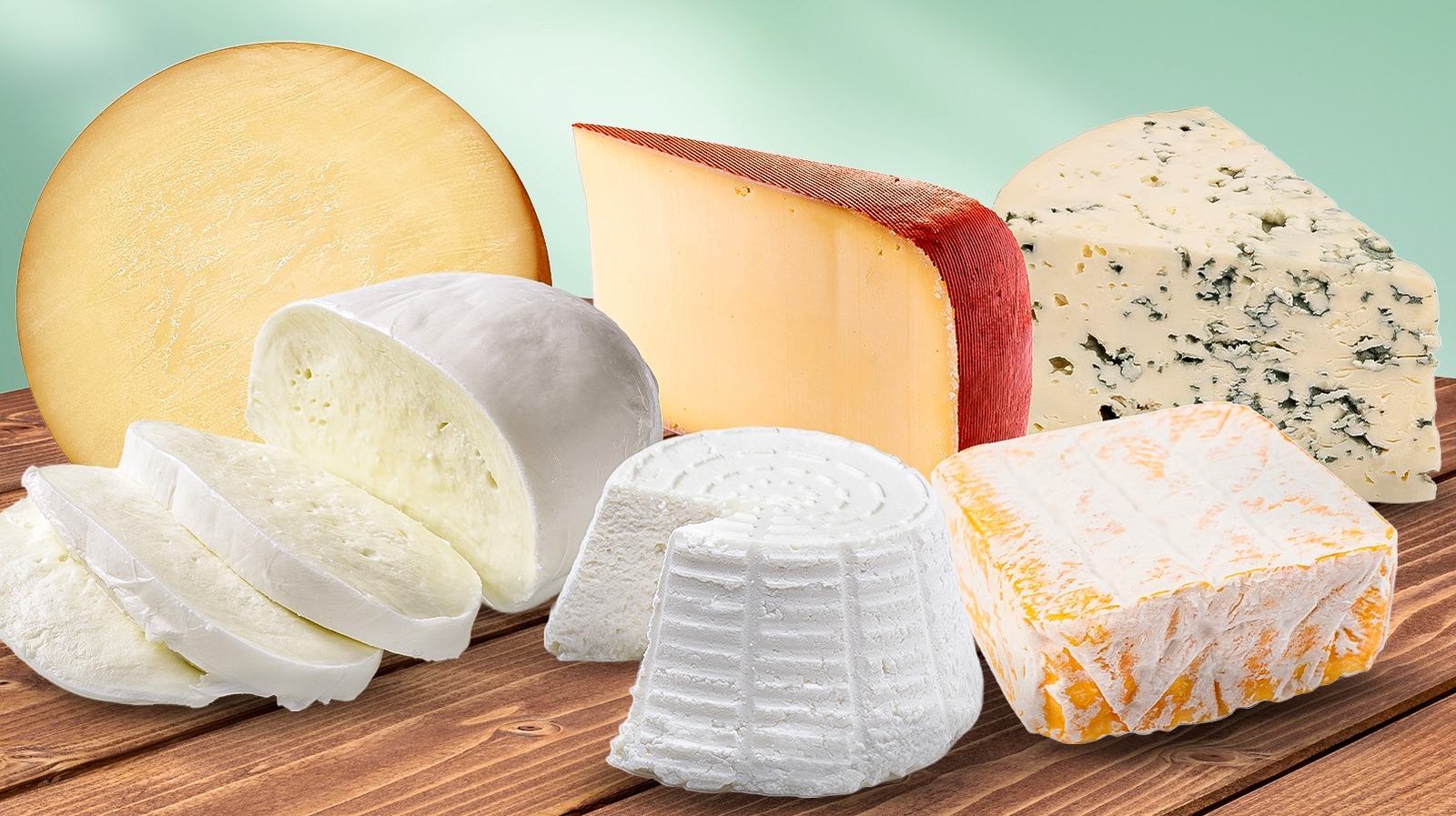
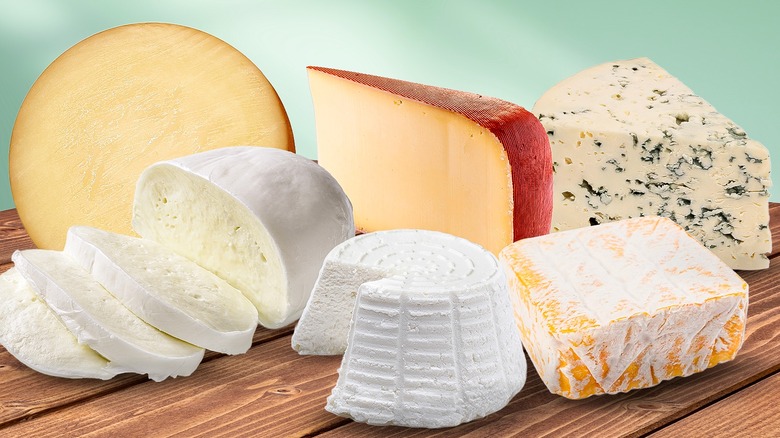
Ah, cheese. Some of us like it, and some of us love it. Cheese can make an appearance at any meal, but with so many options and varieties available, it’s easy to overlook some of the best, so we turned to professional chefs to tell us about their favorites. With an emphasis on the powerhouse cheese nations, Italy and France, the result is a global roundup of strong, mild, hard, soft, and everything in between. If you’re looking to level up your next cheese board or enhance your favorite sandwich, we’ve got something on the list that suits every need.
Before we begin, we’ll note that throughout this list, we often refer to PDO, or Protected Designation of Origin. This label is recognized and overseen by the European Union. You will see it printed on heritage products, ensuring that the cheese (or other food or beverages) you’re buying was made in a particular geographical region, using local ingredients, and traditional methods. But not every cheese on the list is quite so refined. So, whether you’re into something mild and versatile or funky and festive, there’s a cheese for you.
Mozzarella
Svariophoto/Getty Images
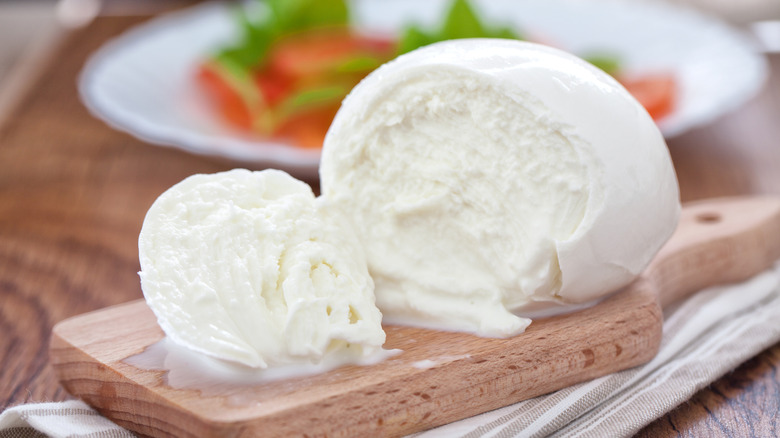
Mozzarella’s no secret. It can stuff sandwiches, top pizzas, or be breaded and deep-fried for a crowd-pleasing appetizer. A mild, stringy, and fatty cheese, it’s highly versatile — and it’s no wonder several of the chefs we spoke to mentioned it. You can buy mozzarella pre-sliced, shredded, or in balls — mini mozzarella balls are perfect for bite-sized appetizers. You can even make your own mozzarella cheese at home with just two simple ingredients.
Mozzarella di Bufala is the heritage variety that has been made in southern Italy for centuries. As the name suggests, it is made from buffalo’s milk, not cow’s. When you buy a bag of mozzarella shreds at the grocery store, though, it’s undoubtedly not made from buffalo milk. Chef Martin Balderas, the head chef at Giardino Trattoria & Pizzeria in Aurora, Illinois, gives a special shoutout to the buffalo mozzarella from La Mozzarella Company, which imports authentic PDO Mozzarella di Bufala. Balderas says he loves the sweetness and creaminess of buffalo mozzarella, and it works well on a charcuterie board, in salads, on pizza, or as a snack.
Burrata
Guven Ozdemir/Getty Images
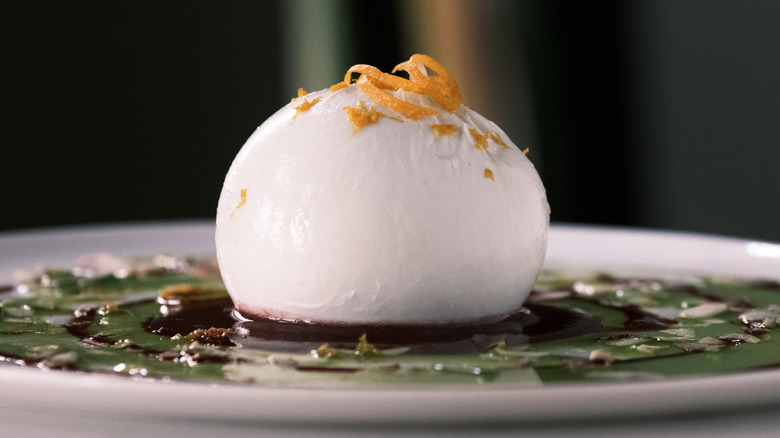
Burrata contains a center of softer cheese curds and cream within its mozzarella shell. It came into being likely as a way to use up some of the leftover byproducts in mozzarella production. By stuffing these tasty extras inside the stretchier outer cheese, less goes to waste, and we all get to enjoy the fun of bursting into a ball of burrata. This cheese tends to be a dish unto itself. It’s almost an event. Serve it with tomatoes or peaches for a decadent summer twist.
Chef Martin Balderas says he loves sweet, creamy burrata as an appetizer, and it also makes a great topping for salads and pizzas. Chef Jesus Medina, executive chef at Culina in Beverly Hills, also gave a nod to burrata. Medina says, “Whipped burrata with roasted figs, a drizzle of exceptional olive oil, and crusty sourdough bread is pure comfort.” That sounds pretty exceptional, and not impossible to whip up for your next soiree. You could also try burrata bites, or give your next pasta arrabbiata a rich and creamy upgrade by placing some dollops of burrata on top before serving.
Provolone
Hercules Versiani /Getty Images
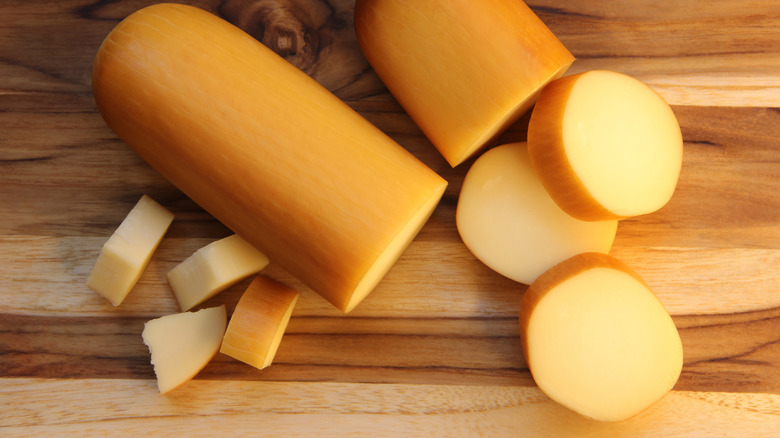
Provolone is a semi-hard Italian cheese with a pale yellow color. There are many, but two regional varieties (Provolone Valpadana and Provolone del Monaco) have a PDO designation from the European Union; other provolones are made domestically here in the U.S. You can spring for the good stuff, or find a more affordable option that mimics the style without the authentic Italian ingredients.
Chef Martin Balderas says he uses provolone on salads, pizzas, and sandwiches, and describes it as “rich and delicate.” Provolone is an Italian deli favorite, and it is typically found on a Philly cheese steak. Similar to mozzarella, provolone is stretch-cured in a process that begins by letting milk curdle, then taking the separated curds and bathing them in hot water. The curds are then kneaded until they become stretchy, but provolone is subsequently aged with a brining process.
Toma
Pier Marco Tacca/Getty Images
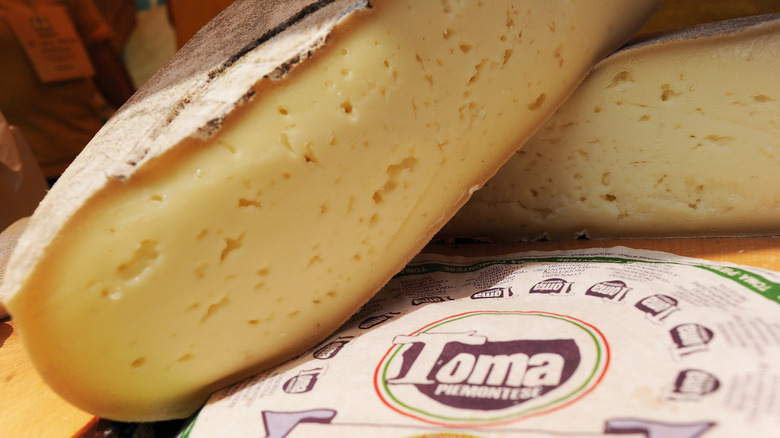
Toma originates from the Piedmont region of Italy, where many varieties exist, and several of them have a PDO designation. Chef Jesus Medina describes toma as “buttery and mellow,” and perfect for snacking. A chunk of toma is a must on his ideal cheese board.
Toma has a smooth texture, a rich but mild flavor that intensifies with age, and tasting notes that are both nutty and tangy. It can sometimes have a light yellow color and little holes in the cheese that are a result of the fermentation process. Enjoy a slice with a piece of bread or fruit; it also melts well, and is a delicious inclusion for a five cheese pizza or grilled cheese sandwich.
Ricotta
Tashka2000/Getty Images
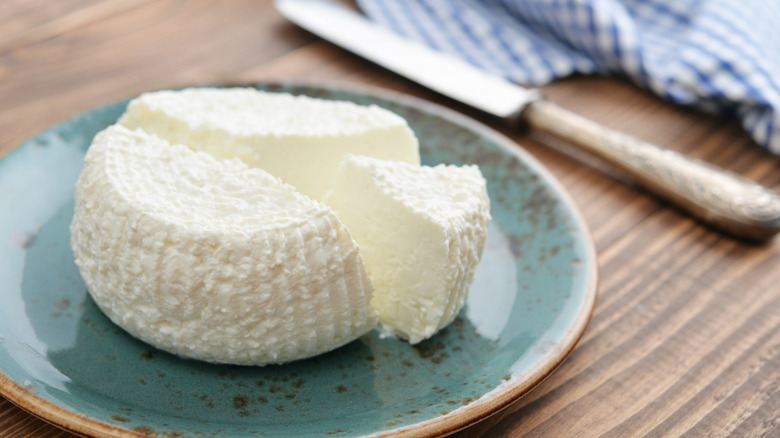
Technically, ricotta is not even a cheese. The word translates to “re-cooked,” and it is made from the whey byproduct of cheese production. Often used in savory Italian classics like raviolis, stuffed shells, and lasagnas, ricotta can be used in sweets as well, like cheesecakes, cannoli, or even in a lemon ricotta pancake. So bust it out for breakfast, lunch, dinner, and dessert.
Ricotta can be made from cow’s, goat’s, sheep’s, or even water buffalo’s milk — and is another cheese that you can make at home. Chef Jesus Medina told us that he loves to use homemade ricotta when cooking as it folds “beautifully into sauces, adding both texture and depth of flavor.”
Gorgonzola
Igor Normann/Shutterstock
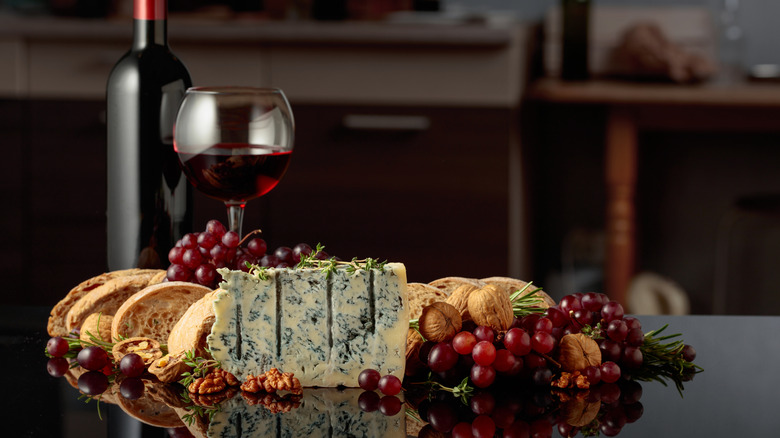
Gorgonzola is a classic northern Italian blue cheese, with production in its namesake town dating back as far as the year 879. Gorgonzola is made from pasteurized cow’s milk, and its moldy veins run like lines through the cheese. There are two principal varieties: dolce (which means sweet) and piccante (which means spicy). Gorgonzola dolce is aged between 50 and 150 days, and has a soft, creamy texture. Chef Martin Balderas says when selecting a cheese with great flavor and texture, he loves a Gorgonzola dolce. Gorgonzola piccante is aged 80 to 270 days, has the kind of extra-strong flavor that hits you in the nose, and is a little firmer and crumblier than the sweeter dolce variety.
Authentic Gorgonzola from Italy is branded and packaged with a “g” so consumers know it’s the real deal. It’s one of those special foods with the protected designation of origin, overseen by the Consortium for the Protection of Gorgonzola Cheese since 1970. If you’re a fan of the blues, consider adding some to your next cheese board and pairing it with a nice red wine.
Roquefort
Simpleimages/Getty Images
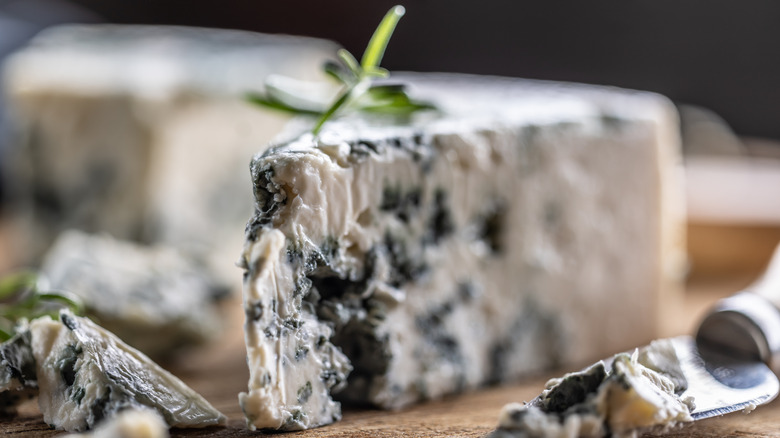
Roquefort is France’s answer to blue cheese, and enjoys another protected designation of origin. Dating back centuries, this French blue is equally beloved worldwide. Roquefort is made from raw sheep’s milk and has signature spots of mold. It boasts both sweet and bitter tasting notes, a strong scent, and a creamy texture. It also pairs well with a variety of foods, including fruit and vegetables, dried or fresh fruits, and nuts. If you like blue cheese, this is one not to miss.
Chef Eleazar Villanueva, a recent James Beard Award finalist and the Executive Chef of Joël Robuchon Restaurant at MGM Grand (the only restaurant in Las Vegas to receive three Michelin stars), says Roquefort is an ideal cheese to serve with a 1990 Château D’Yquem. These two rich tastes pair beautifully, explains Villanueva, “the acidity tones in the wine cut through this robust cheese perfectly!” Whether or not this fine wine would make it into your budget, the suggestion stands: Roquefort and French wine are a match made in heaven — and perhaps the perfect dessert for those who prefer cheese to sweets.
Comté
Balkanscat/Getty Images
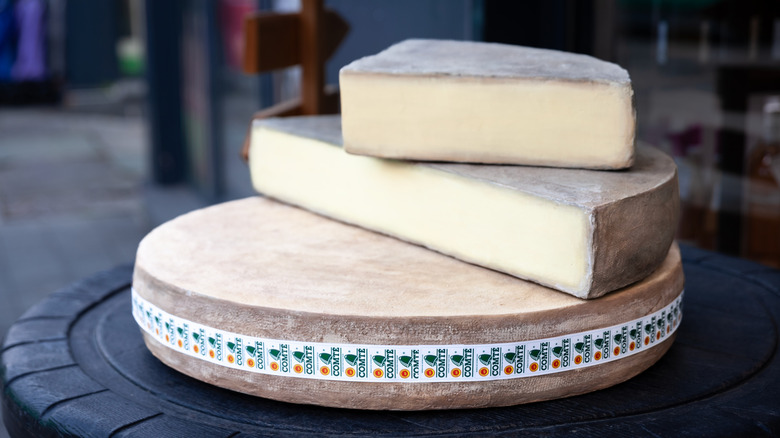
Hailing from the eastern French region of Jura, where it has been made for over 1,000 years, Comté cheese has PDO status. Comté can only be made by traditional methods from the milk of Montbéliarde and French Simmental cows that graze on natural grass and local hay. The wheels of resulting cheese are then aged in cellars for months, where producers regularly turn and salt them until the signature crust appears. Four months into this process, every wheel has to be tested and tasted for quality assurance to ensure it is worthy of the official Comté label.
Chef Eleazar Villanueva says his ideal cheese board would include Comté. It also melts well, making it an excellent addition to many hot dishes or even a nice pot of fondue.
Queso de Bola
Kiev.Victor/Shutterstock
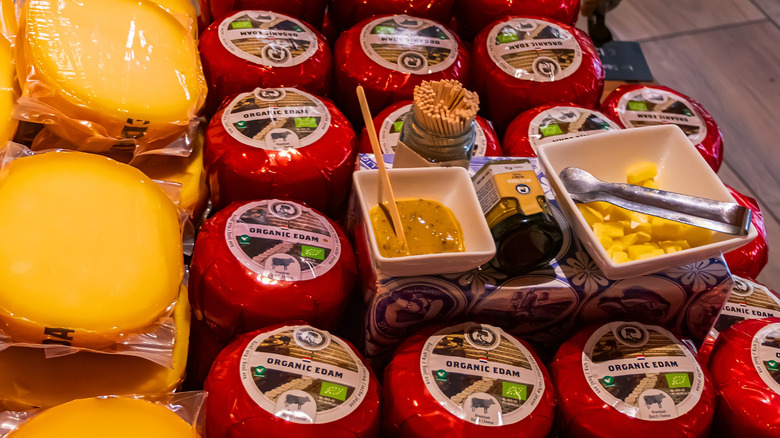
Queso de Bola (or as it’s known to many of us, Edam) is a semi-hard Dutch cheese. Chef Maricel Gentile says Queso de Bola is her absolute favorite, and a classic in the Philippines. The mild flavor sharpens with age, Gentile says, and has “a savory-salty tang that makes it incredibly satisfying.” Typically made from partially skimmed cow’s milk, this cheese has a smooth texture and a red paraffin wax coating. Although not all Edams are covered in the signature red wax, the variety that became super popular in the Philippines is. “Bola” means ball, and these large red balls of cheese became highly prized in the South Pacific archipelago, where Europeans brought them during the Spanish colonial era. In addition to being a Christmastime favorite, Gentile says Queso de Bola is often served alongside ham, on top of fluffy bread rolls, or on spaghetti.
But Queso de Bola can also be added to sweets — including ice cream. This frozen treat is made by folding finely grated queso (or larger cubes) into a custard or milk-based ice cream, sometimes with condensed milk or ube added in. “What you get is this creamy, dreamy dessert that balances richness, sweetness, and a little salty crunch from the cheese,” says Gentile. And, noting the trend of sharing these recipes on social media, she agrees it is “completely TikTok-worthy.”
Mimolette
Alesia.Bierliezova/Shutterstock
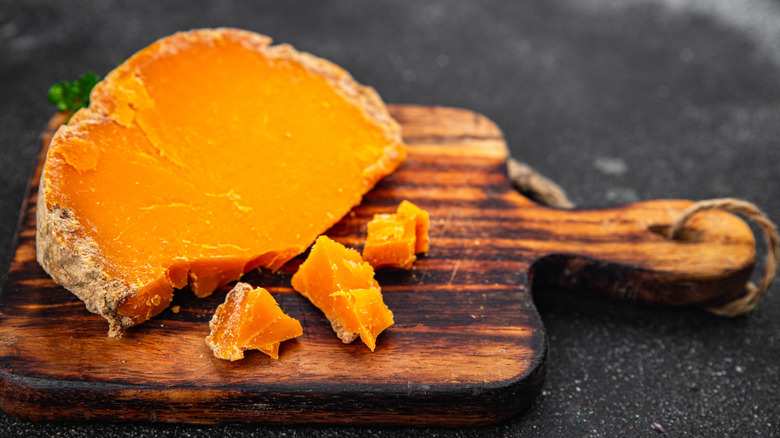
Mimolette was born in the 17th century when France, at war with Holland, needed to create its own version of the highly popular Edam cheese. Also known as the “Boule de Lille,” Mimolette has a firm texture and a distinct deep orange color that comes from the natural plant dye, roucou. You can find younger Mimolette cheeses that have ripened for just three months, and extra-mature versions aged upwards of eighteen months. Older cheeses will have a stronger flavor and a more brittle texture than the younger ones.
Chef Eleazar Villanueva says, “The flavor of Mimolette gets sharper, saltier, and nuttier the older it gets, with a hint of tang.” He suggests that “the velvety texture of the squash soup paired with a nice bite of sharp Mimolette cheese is the perfect complement.” Who doesn’t love a bit of crusty bread with a nice piece of cheese and a warm bowl of soup?
Brillat-Savarin
Kseniia_73/Shutterstock
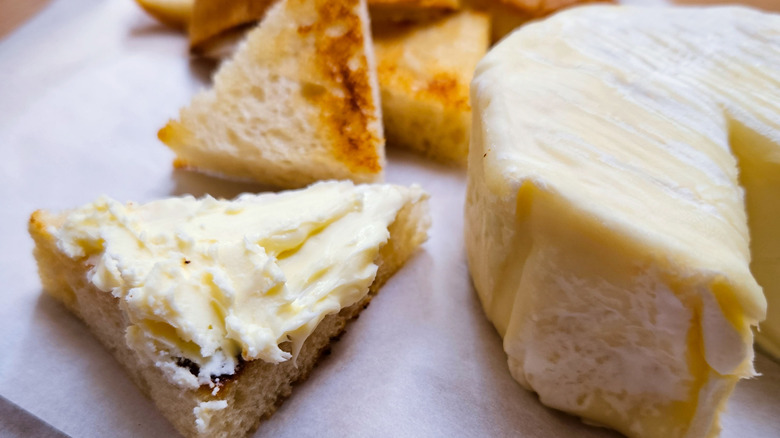
Brillat-Savarin is a soft cheese with a white bloomy rind. It’s a rich cheese made from milk enriched with cream, and it’s aged for only a few days before consumption. The cheese is named for the 18th-century politician, Jean-Anthelme Brillat-Savarin, who was known for his gastronomic flair. It has a protected geographical indication, which means the real deal can only come from a particular swath of France stretching from south-east Burgundy to Seine-et-Marne.
Chef Eleazar Villanueva says this is his favorite cheese “because of its rich, creamy, and buttery flavor enhanced with its velvety texture.” So, what’s the perfect pairing? Chef Villanueva advises, “Brillat-Savarin and black truffle come together to create a salty and creamy umami flavor, making a perfect combination when paired on top of a freshly baked Baguette.” Now that’s one sophisticated snack.
Brie
Bhofack2/Getty Images
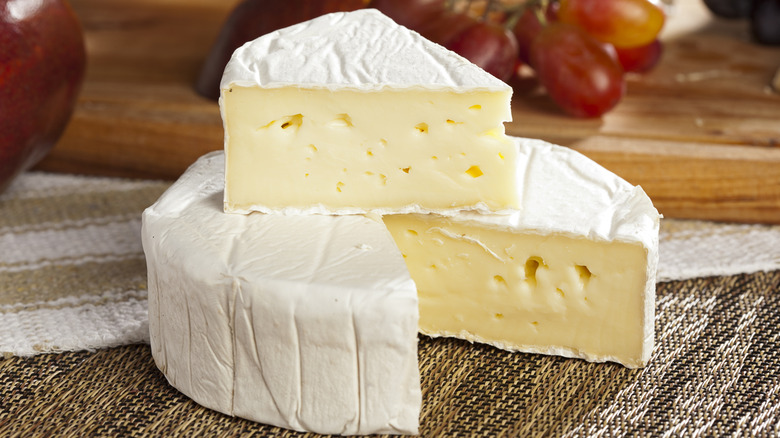
Brie is another soft French cheese hailing from the historic region of — you guessed it — Brie. However, it isn’t necessarily PDO. Specific versions (like Brie de Meaux) do have the designation, but the word has come to refer to a style of cheese, one most of us are familiar with by now as a standard addition to any cheeseboard. Baked brie, sometimes wrapped in pastry, is delicious with both sweet and savory toppings; you can bake it with fresh grapes or simply olive oil for an easy, crowd-pleasing appetizer. If you don’t feel like turning on the oven, however, Chef Jesus Medina says, “You can’t go wrong with triple cream brie topped with 24-month prosciutto and a drizzle of honey, especially with a glass of sparkling wine in hand.”
There are many ways to serve brie, but there’s no need to cut off the rind. Made from Penicillium candidum mold sprayed onto the cheese during production, it is entirely edible even when served cold — though you are welcome to slice it off if you prefer.
Camembert
barmalini/Shutterstock
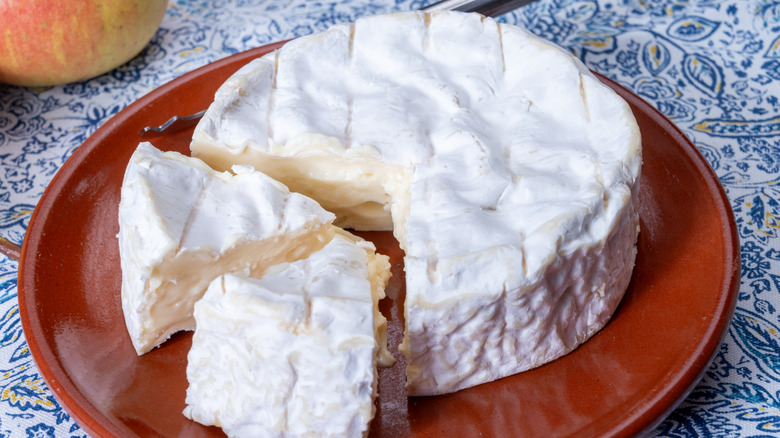
Similar to Brie’s texture, Camembert is another excellent soft cheese option for a decadent snack, and it pairs well with many of the same foods. Eat a slice of this creamy cheese on a crisp apple or pear slice (and yes, you can eat the rind), or bake your next Camembert and enjoy the ooey gooey decadence. Chef Eleazar Villanueva lists Camembert in his top picks for a perfect cheese board spread.
Camembert is often slightly yellower in color. Only the traditional Camembert de Normandie has PDO status, and follows specific production and maturation guidelines; however, you can easily find some Camembert at most grocery stores.
Parmesan
Nahhana/Shutterstock
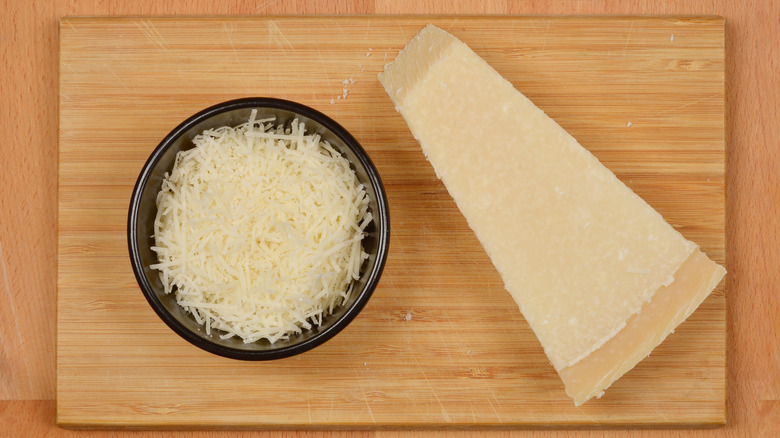
Any bowl of pasta feels incomplete without a topping of freshly grated Parmesan. Although the pre-grated, or even powdery, versions of the cheese that we can find in American grocery stores would likely be considered an abomination by any true Parmesan aficionado.
The Parmigiano Reggiano Consortium has been maintaining the quality and craftsmanship of authentic Parmigiano Reggiano since 1934. However, the cheese itself dates back to the Middle Ages, when Benedictine and Cistercian monks sought to create a good, long-lasting cheese. You’re not getting the real deal if you don’t see the PDO label; those that come from the provinces of Parma, Reggio Emilia, Modena, Bologna, and Mantua in Italy are made from regional raw milk and contain no additives.
“A nice, aged Parmigiano-Reggiano is perfect for many uses in the kitchen,” says Chef Eleazar Villanueva of the versatile cheese, adding, “You can melt it on top of a nice baguette, or shave it onto a dish to add a little saltiness and brininess.” If you’ve got some kitchen skills, Villanueva says, “You can even render out the fat to make a nice foam or sauce for a delicious pasta that will impress.” Or, you know, just finely grate a mountain of the stuff on top of your pasta and that’s pretty darn delicious, too.
Pecorino Romano
Ezeepics Studio/Getty Images
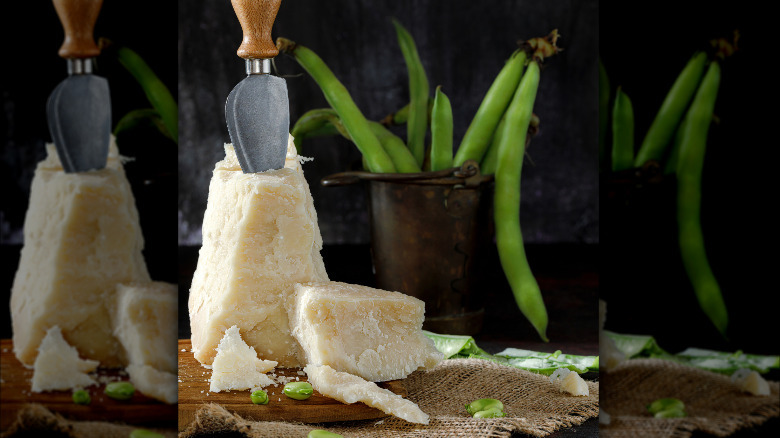
Here we go again! Pecorino Romano is another PDO heritage cheese, with claims to have been made since ancient Roman times. For over two thousand years, milk from the sheep grazing in Lazio and Sardinia has been used to make this hard-aged cheese. Pecorino Romano must be aged a minimum of five months, and the firmer type often used for garnishing and grating onto dishes should be aged at least eight months.
Pecorino Romano is a lovely, sharp cheese for snacking, cooking, and finishing dishes — and it’s a great sheep’s milk alternative if you don’t eat cow’s milk, but still want a super salty cheese topping on your pasta.
Manchego
Alvaro Fernandez Echeverria/Getty Images
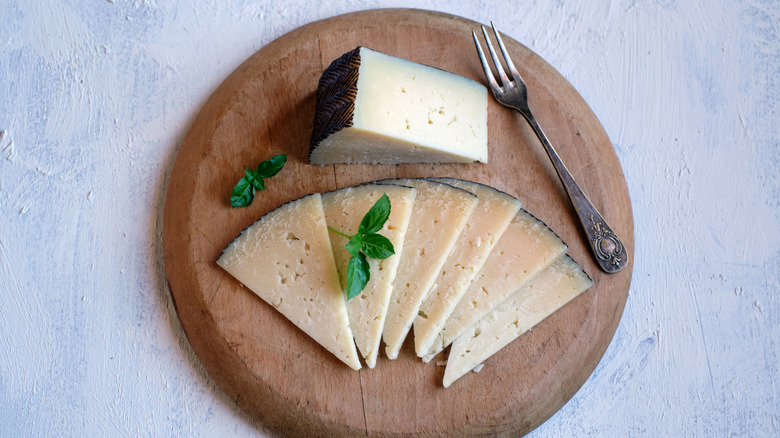
Manchego hails from La Mancha in Spain, and has become a tapas bar staple. This cheese is PDO-certified and must be made from local Manchega sheep’s milk, then matured for at least thirty days.
Yes, many other delicious cheeses are produced in Spain, but Manchego has really travelled the globe and popped up in more than one chef’s recommendations for a perfect cheese board. “Aged Manchego with quince paste is a classic for me,” says Chef Jesus Medina. He also suggests it is ideal with a crisp glass of Albariño, a Spanish white wine. Chef Eleazar Villanueva agrees that Manchego is an ideal semi-hard cheese to balance out creamier offerings on a cheese board.
Quesillo
Santiago Castillo Chomel/Shutterstock
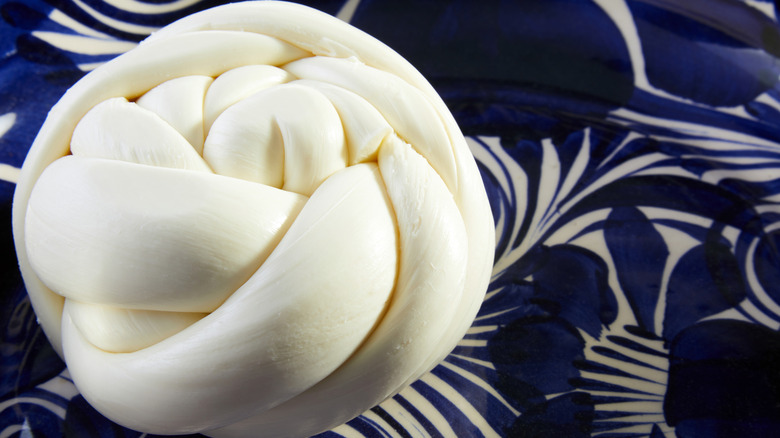
Quesillo is pretty unique on this list. This artisanal Mexican cheese has a soft, smooth, and stringy texture. Balls of quesillo are made from a long, coiled rope of string cheese derived from stretched and kneaded pasteurized cow’s milk. Also known as Oaxaca cheese (or Oaxacan string cheese), it melts really well, making it perfect for dishes like quesadillas. Chef Jesus Medina says quesillo will always be his true favorite cheese.
“Growing up in Mexico, fresh quesadillas were a constant in my diet,” says Medina, “My mother would make them with warm, homemade corn tortillas, filling them with the tender stringy ribbons of quesillo that melted perfectly, and serving them alongside freshly made salsas.” If that doesn’t sound like pure comfort food excellence, I don’t know what does.
Goat Cheese
Lyla Porter / Chowhound
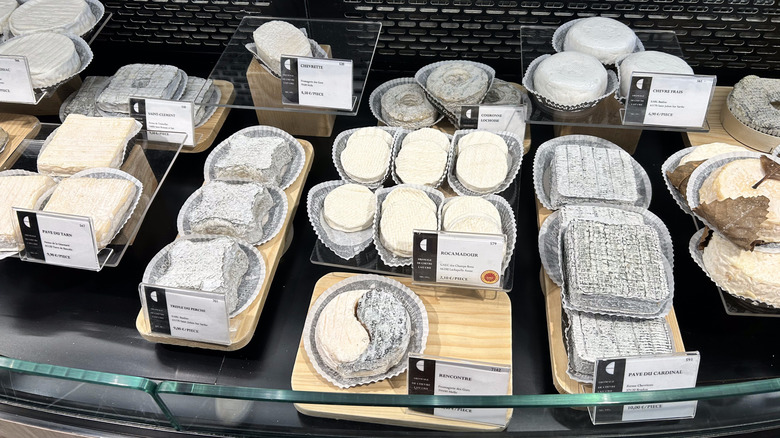
Typically, when we hear “goat cheese” in the U.S., we imagine a log of chevre, but there’s a whole world of goat cheeses — from the soft and creamy to the hard and sharp. Some are pungent, while others are fresh and mild. Humboldt Fog is an iconic, award-winning American goat cheese that Chef Jesus Medina selects for his perfect cheese board. This Californian favorite from producer Cypress Grove features a thin line of vegetable ash (edible powder from charred veggies) that gives the cheese its signature grey-blue stripe.
Chef Martin Balderas says he regularly uses goat cheese in his cooking. You can marinate fresh goat cheese in olive oil and spices for a delicious upgrade to your next snack plate, make a baked goat cheese salad, top a pizza with goat cheese, or even add a dollop to a decadent burger.
Dining and Cooking