
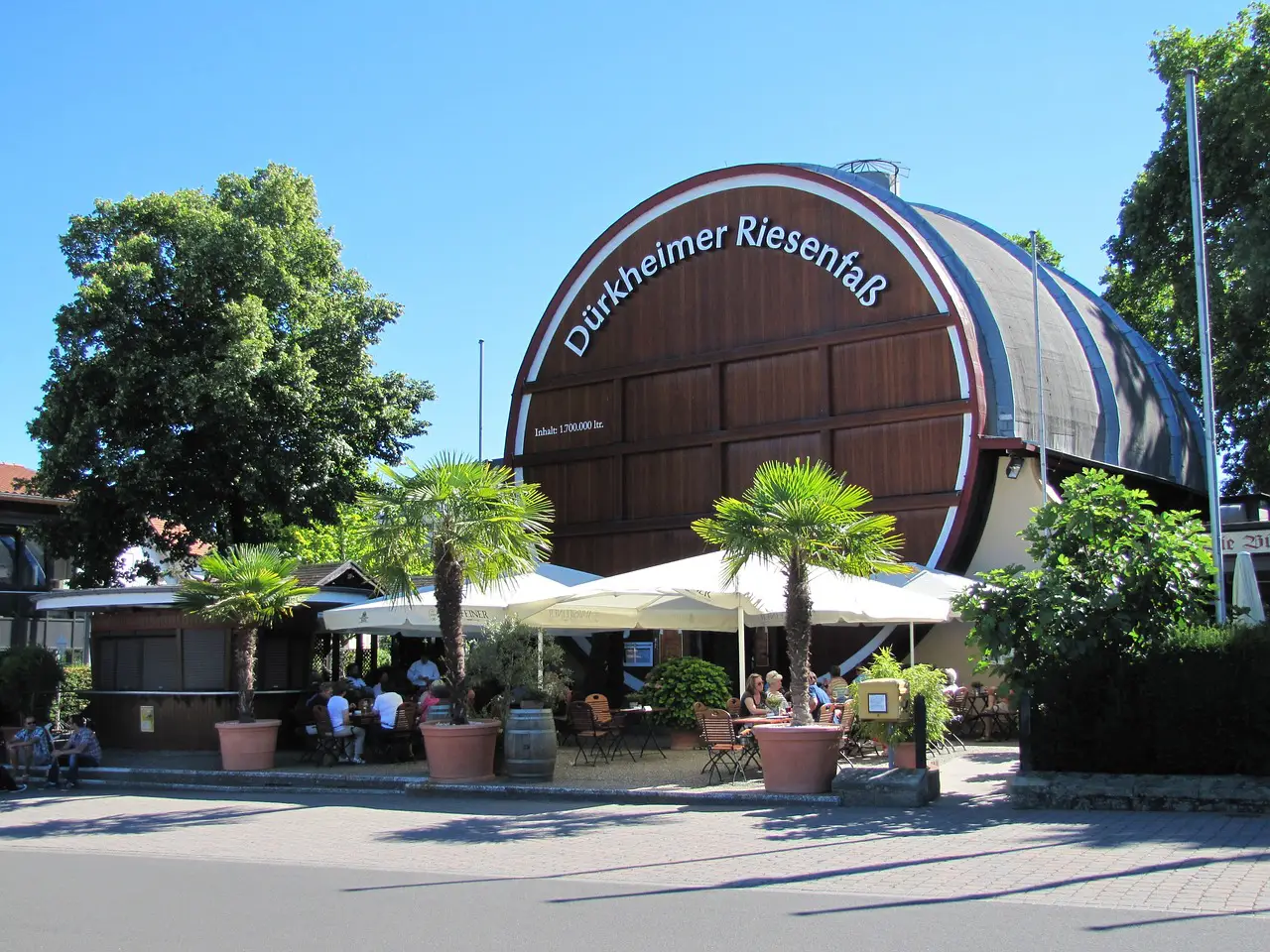
The 609th edition of the Wurstmarkt, recognized as the world’s largest wine festival, is underway in Bad Dürkheim, Germany, attracting thousands of visitors to the small spa town on the edge of the Palatinate Forest.
The event runs in two phases, from September 12 to 16 and September 19 to 22, with festivities centered around wine tastings, traditional food, and cultural attractions.
The Wurstmarkt features around 300 different wines and sparkling wines from local vineyards, highlighting the region’s long winemaking tradition. With a population of just under 20,000, Bad Dürkheim becomes a focal point for wine enthusiasts from across Europe and beyond, showcasing both its cultural heritage and its status as a leading wine-producing region. Over the years, the festival has grown into a combination of traditional wine fair, amusement event, and major tourism draw.
Wine, Food, and Long Traditions
The heart of the festival lies in the historic Schubkarchstände, wooden wine stalls inspired by the old custom of vintners rolling barrels on wheelbarrows to the fairgrounds. This year, 36 vendors participate, serving wine and sparkling wine in the region’s iconic Dubbeglas, a half-liter glass with dimples for easier grip. Visitors sit shoulder to shoulder on narrow benches and tables, recreating the convivial atmosphere of earlier times.
Prices this year vary by type and size. A half-liter Rieslingschorle, a popular mix of wine and sparkling water, costs between €5.50 and €6. A quarter-liter of wine is available starting at €4.50, while a full Schoppen of pure wine ranges from €8.50 to €11. A deposit of €4 is charged for each Dubbeglas. The festival also offers 11 non-alcoholic wines, broadening the choice for those seeking alternatives.
In addition to the stalls, the festival includes the Weindorf, a wine village with 13 restaurant tents that serve regional dishes alongside premium wines. The large festival tent also offers beer, extending service until about 2 a.m., accompanied by a live music program ranging from traditional tunes to rock. Entry to most entertainment is free, with the exception of a Schlager afternoon with Achim Petry on September 19, which requires a €10 ticket.
Entertainment and Attractions
The festival grounds also include 20 amusement rides and attractions, providing entertainment for families and younger visitors. Standing out on the skyline is a 65-meter-high Ferris wheel, offering panoramic views over the Rhine-Neckar metropolitan region and the surrounding Palatinate vineyards. The fair is set beside Germany’s largest saline, adding to the town’s unique appeal as both a cultural and spa destination.
Traditional highlights include fireworks displays, staged twice during the festival. The first takes place on the opening Tuesday, with the closing display scheduled for the final Monday at 9 p.m. These events have become landmarks of the Wurstmarkt experience, drawing large evening crowds. Music, food stalls, and a lively fairground atmosphere complement the wine offerings, making the event a multi-faceted attraction.
A Global Destination for Wine Tourism
Although rooted in local history, the Wurstmarkt has become an international tourism event, attracting visitors who seek both authentic cultural experiences and the chance to taste wines from one of Germany’s most important regions. The event traces its origins to vintners selling wine from carts centuries ago, and today it balances historic traditions with modern hospitality.
Bad Dürkheim’s Wurstmarkt offers travelers an insight into German wine culture, with Riesling and other regional varieties served in a festive yet community-focused setting. The mixture of affordable drinks, historic rituals, and entertainment ensures broad appeal, from seasoned wine enthusiasts to casual visitors. The combination of heritage and modern infrastructure makes the festival an important showcase for the Palatinate region’s tourism economy.
The 2025 Wurstmarkt demonstrates how a local celebration has developed into a world-class event while retaining its traditional character. For travelers seeking a cultural highlight in Germany’s autumn calendar, the Wurstmarkt remains a destination that combines wine, food, and heritage on a scale unmatched anywhere else.
Dining and Cooking