
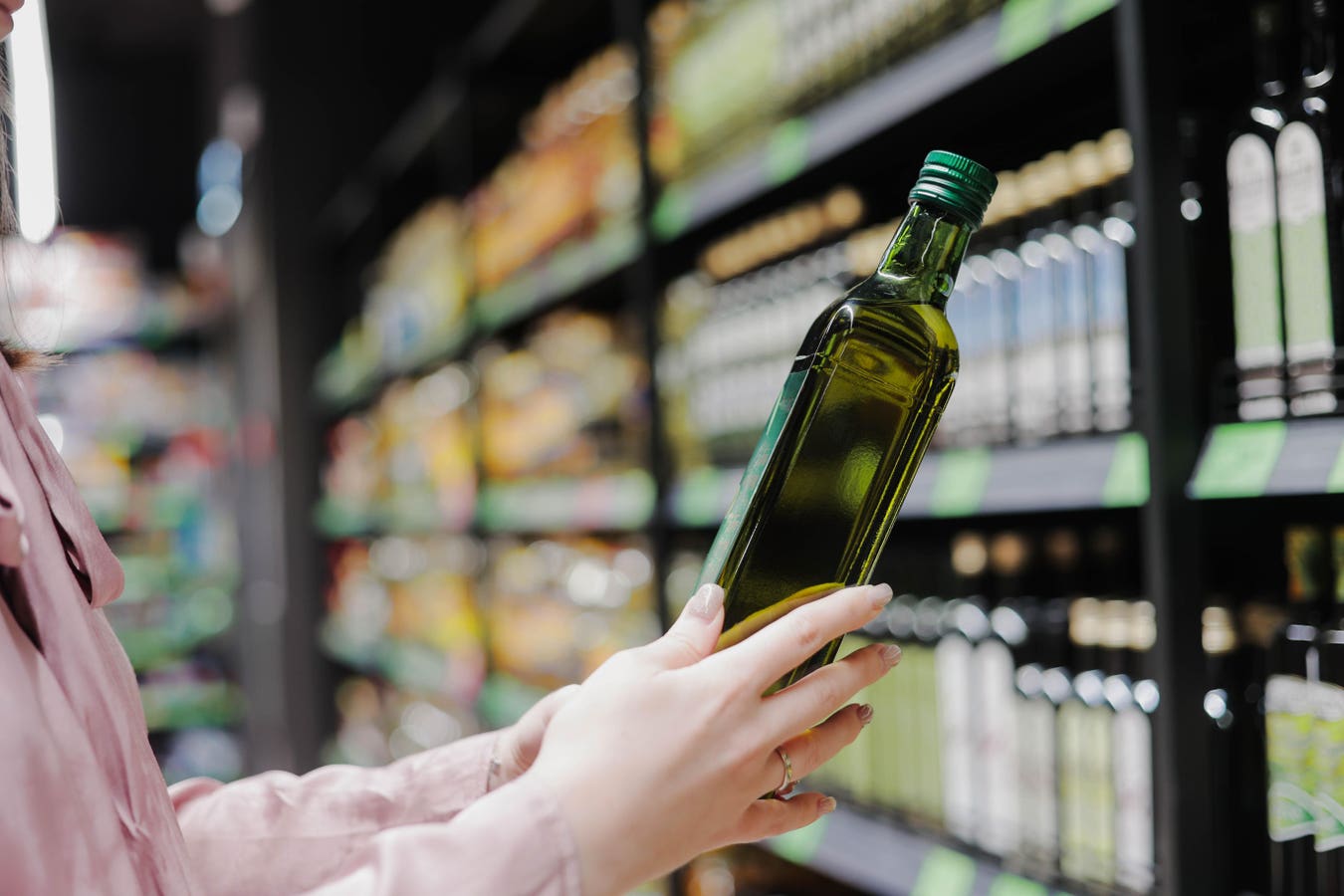
Olive oil, especially extra virgin olive oil, has been noted for a wide range of health benefits. While there has been growth in sales in the past five years,thanks to confusing media coverage, many consumers still feel confused about what type to buy and whether that’s actually pure olive oil in those bottles. However, a recent study showed no adulteration in top olive oil brands sold in the U.S. and Canada.
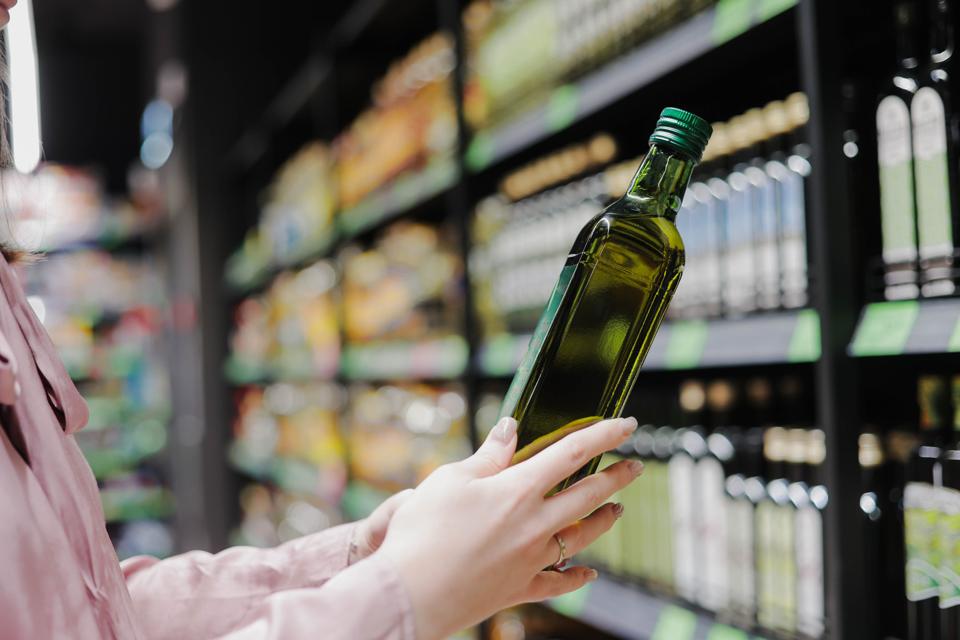
A new study shows no adulteration in top olive oil brands.
getty
Where did the “fake olive oil” myth come from?
Over the past 15 or so years, a combination of reports, splashy media pieces, police raids in Europe and lawsuits in the U.S. blurred the line for consumers between issues with olive oil quality (for example, oil not meeting the extra-virgin grade) and true adulteration (cutting olive oil with cheaper oils).This led to confusion and mistrust.
What the new research really shows
Earlier this year, the North American Olive Oil Association (NAOOA) announced the results of its 2024 Olive Oil Testing Program, which was the largest initiative of its kind ever conducted in the United States. The study was designed and led by Dr. Tassos C. Kyriakides, Ph.D., assistant professor of biostatistics at the Yale University School of Public Health. Independent third-party sampling agencies and International Olive Council-recognized laboratories carried out all of the sample procurement and brand-blind testing.
190 products from U.S. and Canadian retailers —153 representing 15 of the leading brands (those with more than 85% of national market share) and 37 store brand (such as private label) products from off-the-shelf purchases—were studied. An additional 26 products from brands in the bottom 15% of the market share were also studied. No adulteration was found in the top brands. Two of the products in the lower 15% appeared to be adulterated, one labeled extra virgin olive oil (EVOO) and one labeled olive oil (OO).
Olive oil testing generally falls into two categories: “purity,” which checks for mixing with other oils, and “quality,” which assesses whether the product meets the quality parameters for each grade (for example, “extra virgin” grade). In this study, NAOOA had Dr. Dr. Kyriakides look at two important health-related parameters: the content of protective omega-9 fatty acid oleic acid and the presence and quantity of phenolic compounds, plant compounds with health-promoting benefits. The authentic extra virgin olive oils that were tested met these parameters, even in some cases where overall grade quality may have been below the benchmark.
153 of the 190 olive oils from the leading brands that were studied were found to have no instances of adulteration (such as undisclosed mixing with non-olive oils) when tested against International Olive Council (IOC) standards. Testing of the 37 bottles of store brand olive oils confirmed their purity as well.
A combination of reports and media pieces about olive oil adulteration previously led to confusion and mistrust amongst consumers.
getty
More testing, more transparency ahead
For background, NAOOA is the largest olive oil trade association in the United States, with over 65 members representing the full spectrum of the sector—from artisan producers to large multinational companies. Collectively, NAOOA members represent about two-thirds of all olive oil sold in the U.S. Some next steps that will be taken in light of the study findings are that NAOOA will take legal action against the brands with confirmed adulteration.
The organization’s Quality Control Committee intends to gather more information to better assess whether any negative grade quality results were impacted by supply chain issues. It will also look into the reliability of ‘best-if-used-by’ dates on these products.
NAOOA’s board is planning to do more testing in 2026 and intends to expand the scope of the testing program to include restaurants, foodservice providers and product manufacturers in addition to retails. It will be asking members to support its plans to allocate additional funding for testing. To date, non-member companies representing the brands California Olive Ranch, Lucini, Graza and Cobram Estate have also already committed to participate and share in the program’s costs.
Because retailers and distributors play a key role in helping preserve olive oil quality once it has left the manufacturer. NAOOA and its member companies will increase efforts to provide education on best practices for important steps in the supply chain, such as transport, storage and display conditions.
Why olive oil is a wellness win for women
This is great news for women’s health, especially if it encourages consumers who were avoiding olive oil to start incorporating it into their regular diet. Harmony Reynolds, MD, Professor of Cardiology and Director of the Cardiovascular Clinical Research Center at NYU Langone Health, shares, “I find these results reassuring. I am convinced of the health benefits of olive oil and it is good to know the most widely sold olive oils on the market actually contain olive oil as promised.”
Registered dietitian and author of The Small Change Diet, Keri Gans, says, “Olive oil, especially extra virgin, is rich in heart-healthy monounsaturated fats and powerful antioxidants called polyphenols. Research shows it may help lower LDL (“bad”) cholesterol, support healthy blood pressure, and reduce inflammation—key for both heart and brain health. Replacing butter, margarine, or shortening with it regularly is an easy way to boost your diet without feeling like you’re sacrificing anything. Small changes like this add up over time and may significantly benefit your heart and overall health.”
“Adding extra virgin olive oil to the diet reduced the risk of cardiovascular events by about 30% over 5 years in a major clinical trial,” adds Dr. Reynolds. “Additional studies have shown that about a tablespoon of olive oil in the cooking or with your food is enough to see the benefit.”
Frances Largeman-Roth, RDN, nutrition expert and author of Everyday Snack Tray, says, “Known as the staple of the Mediterranean Diet, extra virgin olive oil (EVOO) is rich in polyphenols and vitamin E.” One area where it really shines is brain health.
“A 2023 study done at the Harvard T.H. Chan School of Public Health found that people who consumed more than half a tablespoon of EVOO daily had a 28% lower risk of dying from dementia when compared with people who never or rarely consumed olive oil,” says Largeman-Roth. “The study also found that replacing just one teaspoon of margarine or mayo with the same amount of EVOO daily was associated with an 8 to 14% lower risk of dying from the disease.”
Since women are disproportionately affected by Alzheimer’s Disease, a type of dementia, she explains, using EVOO is one way for them to help lower their risk. “In addition, EVOO also helps lower inflammation, lower the risk of heart disease and decrease risk of developing cancer.”
For those hesitant to add fat to their diet, adds Dr. Reynolds. “There are two important things to know – first, multiple studies show that adding olive oil to the diet does not cause weight gain. It seems that the type of calorie is important when thinking about what causes weight gain, not just the number of calories. Second, different types of fat have different effects on the body. For example, about a tablespoon of olive oil a day does not raise cholesterol, but a similar amount of saturated fat would raise cholesterol.”
Additionally, studies have found that eating a Mediterranean diet supplemented with extra virgin olive oil may offer protection against breast cancer, and another study found that found that women who used at least two tablespoons per day of virgin olive oil had a 28% lower risk of breast cancer than women who didn’t always follow this practice. Regular intake of olive oil was also found to benefit bone health and possibly even reduce severity of psychological symptoms in the context of menopause.
Experts agree: olive oil is a win of women’s health.
getty
Labels, seals and storage: your olive oil cheat sheet
When shopping for olive oil, says Largeman-Roth, “Look for EVOO, which is the first press of the olives. Olive oil is really a fruit juice, when you think about it, so fresh is best.“
You can keep an eye out for certifications that can act as a guide. “If you’re buying oil made from California-grown olives, look for the COOC seal, which indicates that it’s certified extra virgin.” A few other examples of these types of seals are the NAOOA Seal (North American Olive Oil Association), which indicates that the oil has been independently tested to meet or exceed International Olive Council (IOC) standards for authenticity and quality and the USDA Quality Monitoring Program (QMP) Seal, a voluntary U.S. Department of Agriculture program that verifies olive oil labeling accuracy and quality through sampling and lab testing.Some international seals to keep an eye out for are PDO (Protected Designation of Origin) and PGI (Protected Geographical Indication), two EU certifications that guarantee the oil was produced, processed, and prepared in a specific geographic region using recognized methods. DOP (Denominazione di Origine Protetta, Italy) is an Italian version of PDO often seen on premium oils.
When storing olive oil, she says, “it’s best stored in an opaque container away from heat, as the polyphenols it contains are sensitive to both light and heat. Oxygen is also the enemy of olive oil as exposure to the gas will cause your oil to become rancid more quickly.” Gans recommends keeping it in a cool, dark place such as a pantry or cabinet.
For those who have a tendency to overthink glass versus plastic containers, Largeman-Roth adds, “Plastic bottles are fine for short-term use. If you use your olive oil up fairly quickly, it doesn’t really matter if the container is plastic or glass or metal.” But if you’re someone who only uses it occasionally, it may be best to buy your oil in a glass bottle or metal canister. Squeeze-top olive oil bottles, which have become more popular recently, may also offer some protection against oxidation and polyphenol degradation by reducing the oil’s exposure to oxygen when conventional bottles when the spout is open, as compared to when the cap of a bottle or tin is off.
Olive oil is incredibly versatile in the kitchen and beyond.
getty
Olive oil in everyday life
As part of everyday eating, “olive oil is very versatile,” says Gans. “Use it as a base for salad dressings, drizzle it over roasted vegetables or fish, or replace butter on whole-grain toast. It also works well in baking as a healthier fat option.”
Largeman-Roth echoes, “I use EVOO for nearly all of my cooking. I saute fish and vegetables with it, I drizzle it over salads and pasta, and I also bake with it. It’s delicious in muffins and granola! It’s really a myth that you can’t use it for high heat cooking.” In fact, even extra virgin olive oil has been found to be incredibly stable when cooked, releasing minimal potentially harmful compounds when compared to other types of oils.
So if you’ve been avoiding olive oil because you weren’t sure if it was actually safe or not, this is your sign to pick up a bottle on your next shopping trip.
Dining and Cooking