
💰SAY THANKS WITH A DONATION
FCA is supported by Comcast and Verizon cable subscribers, we provide these livestreams as a free public service. However, ‘cord-cutting’ has created funding challenges. If you’re enjoying this live stream, please consider making a donation at https://www.fcatv.org/donate/ to help us continue.
►Volunteer- https://www.fcatv.org/get-involved/
►Watch more FCA-TV VOD: http://video.fcatv.org/
📱FOLLOW US ELSEWHERE
—————————————————
FACEBOOK- https://www.facebook.com/FCATV/
TWITTER- https://twitter.com/fcatv
INSTAGRAM- https://www.instagram.com/fca_tv/
📺 WHO ARE WE?
—————————————————
For 40 years, Foxboro Cable Access (FCA) has provided an opportunity for Foxboro residents to produce local television programs for the Foxborough community. FCA is a non-profit corporation responsible for operating three cable TV channels on the Comcast and Verizon cable systems in Foxborough, Massachusetts.
⚖️ DISCLAIMER
—————————————————
Programs appearing on FCA are produced or sponsored by individual volunteers who are residents of the Town of Foxborough. The views and opinions expressed are the responsibility of the program producer and do not necessarily reflect those of Foxborough Cable Access, Inc.
No endorsement of any personal views or opinions is implied by their appearance.
#CommunityMedia #PublicAccessTV #Foxborough #Foxboro
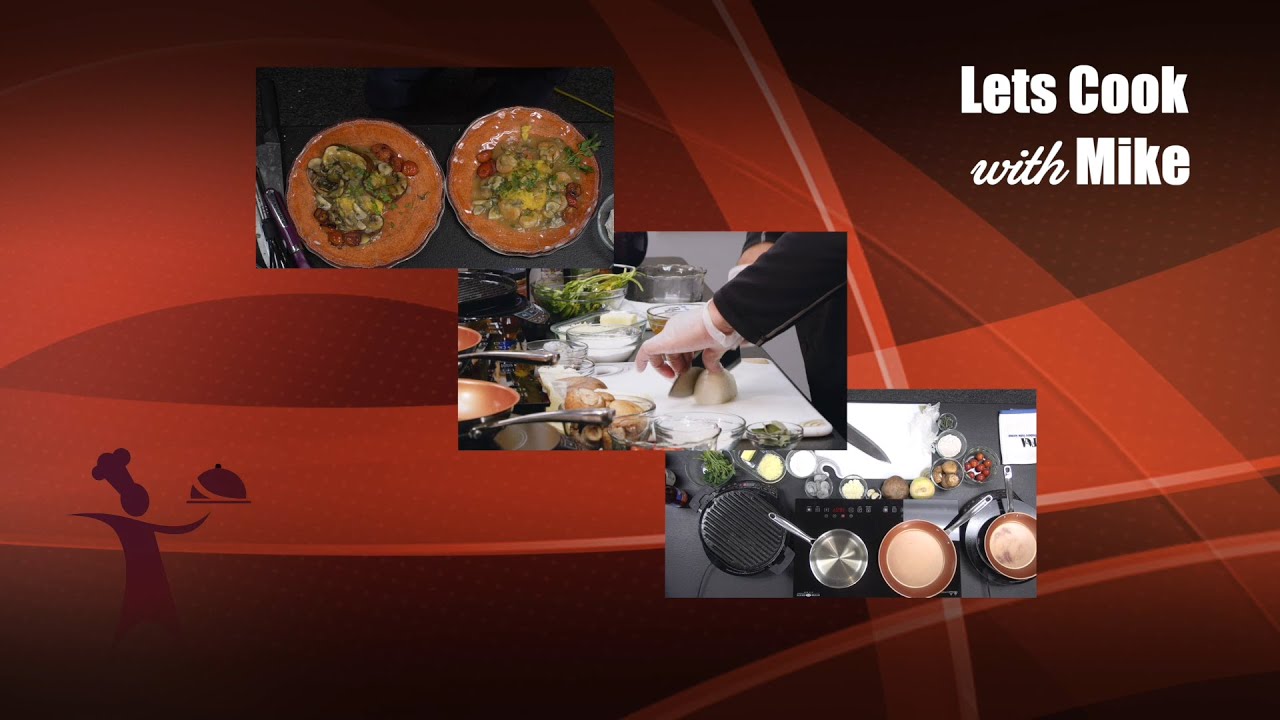
from Studio K at Foxboro Cable Access. Saffron is essentially the statement of a rose. Feeling creative? Sage has a great flavor. Is your palette needing a new challenge? Well, let’s cook with Mike Damasio. Hey everybody and welcome back to another show of Let’s Cook with Mike. I am your host Mike Damasio. As you can see here, I have with me my guest chef today, Chef Bill Burman. And today, we’re going to create two great dishes for you. And we’re going to start with a butternut squash risoto. And we’re going to do it two ways. We’re going to do one as a ve uh vegetarian style, and we’re going to do one with shrimp and some diced pudo. How you doing, Bill? Good to see you again. Very well. Thanks for having Welcome back to the show. Good to have you. So, why don’t you tell us a little bit about the dish today? Um, so we’re going to be preparing a vegetarian uh butternut squash risoto um with uh arboreio rice. So aroreo rice is actually very interesting rice. Um it originates from a municipality in northern Italy. Um arboreio um but the dish itself once it’s made is called risotto. Um very starchy um very creamy. Um, you get this from the stirring of the rice and the short grain. Um, it’s a fantastic dish. Um, butternut squash risoto is perfect for this time of year. Um, so, all right, let’s cook. That sounds great. Yeah, let’s get going. All right, so we’re going to start. So, we have our pans here. We have all of our ingredients. We have our butternut. We have some peas to finish it with some Parmesan cheese, salt and pepper, some oil, some vegetable stock that’ll add a nice flavor to it, and some white wine to give it a little bit of zest as well. Uh, while chef we Let’s Let’s cook. Let’s get going. Thank you. So, while chef is getting ready to prepare all of the risoto end of the dish, I am going to be doing the accutriants for it. For the non-vegetarian side, uh what I’m going to be doing is grilling up some shrimp and dicing up some fresh pudo. Uh and then making a sage chimuri. All right, which we’re going to use our new favorite piece of equipment here, the uh neutra bullet. All right, so tell me what you’re going to be doing to start off here. I’m going to mince some garlic um and chop some onion, and that’ll be our beginning of our dish. All right. um get some basic flavors in there and give the rice something to stick to as we saute it. Very good. All right. Now, I’m going to start cleaning some shrimp and getting ready to uh sauté them off. All right. So, with all the shrimp, you know, these shrimp came already cut and de veained, which is makes it nice and easy. I’m going to leave the tails on, but I’m going to take the rest of the skin off. And since I’ve been informed to do two dishes, uh that’s why we’re going to do a vegetarian and a non-vegetarian dish today. So again, we get all of our vegetables and stuff from our local stop and shop. It’s always very nice to us. And what size cut are you going to make those? It’s going to be small to medium dice for the onion and then um sort of a mince for the garlic. Okay. All of our recipes, and I’ll repeat this throughout the show, all of our recipes will be uh posted at the end of uh each episode going forward. No more guessing and how much I put in. Uh something that makes it easier for you viewers to duplicate our recipes here at Studio K. But it’s been a beautiful week here out in New England. As we start to enter fall, the weather’s getting a little cooler and like chef said, this is a great dish for the fall. We’re using, you know, nice fall ingredients. It’s kind of a heavy dish uh that’ll keep you nice and full for the uh cool fall nights. So, chef, you like to run. Why don’t you tell us a little bit uh about how you first how you got started into uh your running and um you know, what you’ve been doing lately with your runs. Yeah. So, um, you know, I started running about 15 years ago. I was working in kitchens and overeing and I wasn’t feeling healthy and I wasn’t looking healthy. So, I decided at 35 I wanted to sort of change my life and exercise, eat healthier, change my lifestyle, ultimately lose weight. Um, and a friend of mine turned me on to running. Um, so I started really slow. um moved on the treadmill, joined a gym, and I decided to run a 5K um out of the blue and I loved it. Um so I ran a bunch of 5Ks, 10Ks, and in 2018 I ran Chicago marathon for suicide prevention. Um raised a bunch of money. Um it was it was incredible experience. Um, and again, I ran New York Marathon in 2022 with my wife for Team for Kids, which is an organization that helps raise money for athletic gear for inner city children. Great. Um, and again, what what a what an unbelievable experience. It was the worst weather I think I’ve ever had to run in. In November, it was humid, 76 degrees. Um, unbelievable. Um, but we made it. Yeah. Um, how’s that New York course? Is that pretty flat or is that a hilly course? Extremely extremely hilly. They say the first bridge you go over is seven stories vertical and then you have to go back down. Um, significant. So, five bridges. Um, and that’s where that’s where the that’s where the hills are. Wow. New York City is not as flat as you think it would be, right? Um, for an island for for an island. Um, but again, a great experience. I still run a little bit locally. Um, I run a five mileer for the fallen heroes every May. Um, and run the local trails when I can in and out and try to stay healthy and keep my mind clear and mental health is a really important really important subject. So, that’s great. And I know a few years back you inspired me to get back into running, which is something I don’t do as frequently as I wish I did, but I do still do it. And you know, thanks to you to uh you know, I used to run back in high school. So, it was good to get back into it. And when when I met you at our uh when we worked together in Newton, uh you really inspired me to get back into shape and and uh you know, start running again. So, it was great to uh have that happen. Yeah. Improved my quality of life as well. So, what I’m doing here, I’m just picking out the sage and the I cut up the parsley and I’m going to rough chop that parsley. I’m going to make my chimuri sauce for our topping uh once our dish is done. Do you need any help with anything over there? I think I’m okay. I’m going to get ready to um just dice this butternut. Yes, sir. And we’ll get started cooking uh this dish. Excellent. Just going to put about a tablespoon of vegetable oil here in the in the pan for the shrimp. Get this pan nice and hot. We’re going to try to get a nice little sear on these shrimp. They will cook up great. Once they’re done, we’ll just set them aside and add them to the risoto once the risoto is done. Now, the risoto is going to take a little bit of time once we get rocking. Yes, sir. All right. So, we’re just cutting up the uh butternut squash into small dice pieces. So, edible pieces. Yes, sir. I think I’m going to get this dish started to give me a little bit of room. All right. So, about 2 tablespoons of extra virgin olive oil. Um, give that a minute to heat up once it starts to ripple. That’s a good sign that the pan is ready. You can always feel just get your hand close to the to the oil. Just feel that it’s getting hot. Once you get it a good temperature, we can add the vegetables in to start to soften. Now, the great thing about butternut squash is that it does soften pretty quickly. Uh so, we’ll be able to add the other ingredients as we go. Put your function. There you go. Oops. Sorry. Okay. All right. Start turning these over. Shrimp’s going to be pretty basic. I’m going to now salt and pepper, add a little lemon juice to these, and these will be done. And like I said, we’ll set them aside for uh until our meal is ready. Behind. Wow. Oh, this butternut squash is very sticky, very starchy. Oh, that’s going to help make that delicious texture that risoto is famous for. Yes, it is. All right. So, that was a cup and a half of chopped onion. That’ll be the start. All right, I’m going to continue with the chimatur sauce here. Chimuri uh basically is typically a parsley based sauce. Uh, it’s parsley, olive oil, a little bit of balsamic, garlic, and a little bit of onion. We puree it all up together. Uh, this time we’re going to add some sage to add with the fall flavor for the butternut. Sage and butternut squash go really well together. So, I think that’ll be a great uh a little great addition to our meal here. So, our shrimp is looking great. I’m just going to turn that heat off. I’m going to grab some of your oil here. Yes, sir. and a little bit of your balsamic. All right. So, I’m just going to put this parsley in here. I’m going to put the sage in the middle. Oh, there’s my breathing. And some more parsley. Fill this up with oil. Going to do about a half a cup of oil in here. About a cup of pressed parsley. and about uh 1/4 cup of sage. All right. And about 2 tablespoons of balsamic. All right. This is starting to look great. That shrimp looks delicious. Smells great. All right. I think it’s time to add some garlic. This is a tablespoon and a half of minced garlic to the onion. Very nice. You can smell it. It’s already very aromatic. the the sweating of the onions and the the smell of the garlic. It’s very pungent, but smooths out as the dish gets prepared. Um, again, risoto is just a fantastic dish to prepare. Um, it’s a great season to eat risoto. Um, but you can also do it lighter in the spring. Um, hot and cold risoto cakes. Um, very versatile. Very versatile. Very good. Excellent. We’re going to just lower this into our little container here. And I’m going to press that in a little bit as we get closer to the finish of the meal. Going to take some of our pudo here and dice this up for a nice uh garnish on our plate for later on. One of my favorite meals is pudo. I love having it when I was in Italy. You get to have this for breakfast. It’s delicious. Cured meats for breakfast. Delicious. Right. And cheese. And cheeses. Lots of cheeses. And lots of fruit. Fruits at the end. You got to fill up with meats and cheeses first. Very good. All right. Add a little salt and pepper. Oh, you got it. A pinch of each to start. So, we got some nice pudo. Just going to dice this right up. All right. So, we got things cooking. Now, it’s all about time with the risoto. Once we get this butternut going, what will be next? Uh the next thing we’re going to do is we’re going to add the uh the aroreio rice. We’ll toast that a little bit. Um and add our stock and add more stock and add more stock. So you introduce the liquid slowly. So a cup at a time. So if we have um one and a half cups of rice, we need six cups of liquid total. Um and you want to incorporate it over four or five times. Okay. Um that helps release the starch and kind of really give it that that wholesome creamy. Um and risoto you it needs to be served al dente. So inside it should be a little bit crunchy. Okay. Um yeah. Uh so let’s do it. Let’s do it. So we’re going to be adding our aoreo rice from a northern region of Italy. It’s good just to toast it up a little bit. Again, it just starts to release the starches in the rice as we introduce it to the little bit of liquid that’s in the pan right now, which is just the really the flavor from the onions and garlic and the butternut. Everything’s sweating. Uh and then once we get a little bit of a toast on those on that rice, we will introduce some wine. Introduce some wine. Beautiful. We’ll reduce that and then we’ll start introducing our liquid. Excellent. I think we’re good to go. Beautiful. That’s a/4 cup of white wine. That’s going to cook right into the aoreo. It’s going to release starches. It’s, you know, multi-purpose. It’s going to be great. So, traditionally, when you make risoto, you don’t use a spoon with edges because it breaks it up. Um, this is unfortunately what I have. Um, and we don’t use wooden spoons anymore for um all sorts of different health reasons. Sure. Um, so we’re using a regular spoon. Um, but it’ll do the trick. All right. I think we’re good to go. All right. Start adding some of the broth. Soon as we add this broth, you’ll see the starches release from the uh the rice and you’ll start to see it thicken almost immediately. And you know, it’s a slow process. Takes a little time to make uh risoto perfectly as you’ll see. But here in Studio K, things happen fast. We don’t, you know, we don’t mess around. We uh get things done within our 30 minute time frame so that we can feed the staff so they don’t get angry with us at the end of the show here. But you can already see the uh the the the starch coming out. The it’s coming um you know, the clear liquid is now becoming a little cloudied because of the starches. You can see it boiling just like if if we added almost like a rue to it, but this is just a natural thickener going on here. Natural thickening process. And this is a half a cup at a time. You could do a cup um cup and a half as long as it’s introduced slowly. So now what we want to do is kind of reduce this liquid down. Let the rice absorb some of it before we add the next batch of liquid in. And again, it happens quickly. We got the we have it on perfect temperature here. Again, we’re using our induction cookers. At home, you may have an electric oven which will uh mimic this what we’re using. If you have gas, um a little easier to control the temperature, but you want to keep it at a slow roll so that the uh the starch is released slowly into the dish. All right. All right. We have our shrimp here. We’re going to just push off to the side. Okay. I thought they had Well, I’ll tell you, Mike, it smells great in here. It does smell great in here. Smell the shrimp in the back and the butternut squash risoto. It’s um quite a day. Yeah. So, I’m going to just remove the shrimp for now. I’m going to use the same pan to crispy up my pudo. Get this nice and hot. Just a little bit of oil. It’s all going in the same dish. So cooking the shrimp with the puit. No problem. Yeah, it’s starting to smell really great in studio K. As always, as we create these delicious meals again, we’re going to wait for this pan to get a little hot before I add it. We want this to just kind of flash fry. Uh, and we have to taste it to make sure it’s good cuz I love pudo. That’ll add some nice texture. Yes. Nice. some um some crispiness, some saltiness. Mhm. Yeah. So, we’ll have savory, salty uh you know, it’s just going to be a great dish in the end. And this uh chimuri is going to add a nice color to it and it’s going to be a beautiful display at the end. And again, this is something nice and easy you can do at home. Takes a little bit of patience risoto because you have to add it slowly. You don’t want to add all the liquid at once. it just won’t come out as good uh because the starches won’t release as slowly as you want them to to create that nice creamy thick dish. Correct. All right. So, I’m just going to add these in here. Sounds like it’s sizzling. All right. So, we have this stuff crispened. We have our shrimp that I’m going to as this stuff finishes put this right on top because this is all this flavor is just going to be fantastic on top of this risoto. All right, we start clearing our plates here and I’m going to stop that cooking process. So, how much longer you think we have? How many more scoops of water are we going to be putting in there? Um, maybe one other round. Okay, another round. And uh I’m going to move my new favorite piece of equipment a little closer so I can make our sauce. It’s going to be a little noisy. Want to get this to a nice puree. Make sure everything’s pureeed up in there. Stems and all. It’s going to be a little thick. Like I said, it’ll be a nice nice finish for our dish. It’ll be a great finish for our dish. Hopefully, you heard me through all that. What do you need that to do? Um, just want to get a little bit warmer so it’ll speed up the risoto process. Oh, no. This is off. There you go. You should be good temperature. Mhm. All right. So, the risotto’s coming nice. We have some beautiful color right there. Right. Nice fall colors. You got beautiful bright orange. Uh you can see that the sauce is thickening. The, you know, the the broth that we’re adding in there is thickening. And again, you can use we’re using a vegetable broth here. You can use a chicken broth, a bone marrow, anything you like to add uh for the base flavor. Again, we’re trying to keep this one uh vegetarian because we will be adding Parmesan cheese to it. So, that’s going to make it vegetarian and not vegan. Yep. And then we’re going to make the second dish with the shrimp and pudo and that’ll be more of a traditional uh risoto dish. I have an uncle that used to make a great seafood risoto. It was always great to go to his house on on uh holidays. Uncle Lo still has the best seafood risoto I’ve ever had. Good stuff. Good stuff. All right, so we want to uh turn jack this up a little bit. Jack this up a little bit. Try to get this dish finished. Yep. All right. So, uh great. I mean, it’s definitely Do you have any racist Oh, go ahead. Sorry. It’s definitely coming along. You can see the the onions are pretty translucent. Um the garlic is unrecognizable, which means it’s done its job. Um and the butternut squash is sort of starting to pop. Um you can definitely tell it uh is turning color. Yeah. Um that’s also becoming um softer as you cook it. Mhm. Um yeah, I think once this reduces, we’ll uh we’ll be ready to go. We’ll finish it with some Parmesan cheese. and some peas and some pulled sage and uh we’ll be ready to go. All right. Beautiful. All right. And we’re at that point where we just have to wait for this to cook a little bit. So, what I found is over the years of buying risoto in different places is that um it always takes a little bit of time to cook. Mhm. Um, if you want risoto on the fly, they make instant risoto. Um, you can buy it in the store, you do the same thing we do. You cover it, um, and you cook it like um, very different product. Um, making risoto from scratch at home is, uh, the best way to do it. You introduce the flavors you want. Um, if you have allergies, um, you can control that. Mhm. Um so and it’s a fun dish to make at home. You make it with your kids. It involves motion stirring. It it can be exciting. Um the sautéing of the vegetables and the rice and the adding adding the liquid little by little. Sure. You can get the kids Yeah. participating in the in the process. In the process. Yeah. Very good. Well, it’s looking great, smelling great. I’m really excited for the finish of this. Put some sage in just to kind of introduce some of these flavors. This is about a tablespoon of uh pulled sage. I I pulled it as opposed to chopping it. Um when you when you chop the the herbs, you you break the water line. If you tear them, um you get a better you get a better flavor. You get the flavor. Interesting. So, like lettuce at home, when you have a head of Roma, if you’re going to use that as opposed to cutting it, all the water comes out. If you pull it, it’ll stay crisp. It’ll stay fresh long. Give you that natural kind of rustic look. Yep. Absolutely. Um, so same same thing with sage. Very nice. And it’s going to pair perfectly with my chimuri sauce here that we’re going to finish this dish with. So now alls we’re waiting for is for pretty much all the liquid to be absorbed into the uh into the risoto into the aoreo rice. Once that is once that happens, we’ll be pretty close to finish. How much how much more uh be uh broth do you think we need? I think I’ll put a half a cup more. So that’ll give us about six cups. Okay. Okay. At your ready this right now this is shutting off. Oh boy. Oh boy. Hold on. Okay, let’s just keep it. Yeah, let’s just Yeah, leave it at that. Okay. Okay. All right. Great. All right. Well, we’re getting closer to the end here with the risoto and I’m going to give it a try. See where we’re at for the aldante and our risoto. See if we’re close to finish. Might need a touch more liquid. Um, you let me know. I think one more round of liquid. Cook it down and we’ll be good to go. All right. Beautiful. We’re going to bring this to the boil now. Let’s finish. Once all that liquid is uh pretty much absorbed by the uh aoreio rice, we’ll be ready to uh plate and serve. When you When does the uh cheese and peas go in? I’m going to uh put the cheese in momentarily and then we’ll finish it with peas right in the end so they don’t get broken up. Sure. All right. All right. So, do you have any uh races coming up? I haven’t scheduled anything for 2026 yet, but hopefully I will get into the BAA series and do the 5K, 10K, and half marathon. Um, which I did not get into last year after 12 years. Sort of disappointing, but again, I understand u how it goes. So, um, and then, uh, five mileer for the falling heroes on memorial. Great. No, great cause. Great causes. All right, I think we’re just about ready for uh Parmesan cheese. This is 3/4 of a cup. It’s shredded, not grated. Um, just for texture. This will add some creaminess, some saltiness. All right, let that finish up. And again, you can see the, you know, the broth is nice and thick and that’s all natural from the uh, you know, from the the aoreo rice releasing its natural starches. It’s a great consistency and the taste is amazing. Coming out great, chef. Thank you. All right, I’m going to bring this back, my stuff here, back to a back to a sizzle so that when we get ready to uh we get ready to uh plate, we’re ready to go. I’m going to start grabbing our plates cuz I think we’re just moments away. Well, I think we are, too. Great idea. All right, this is the best part of the show. We get ready and we get to sample. Oops. All right, going to finish with 3/4 of a cup of peas and we’ll give that a moment and we will be ready to plate. All right. So, again, this is a uh butternut squash risoto dish that we’re doing here. For those just tuning in, we’re going to do a vegetarian style. Uh, and it’s vegetarian because we added the Parmesan cheese or else other than that, it is a vegan dish. it is with our vegetable base and all the other ingredients. So, we keep that vegetarian. We’re going to make one vegetarian. And then our second dish will be the same base of the butternut squash risoto. We’re going to top it with some fresh uh uh grilled shrimp and some uh toasted pudo. And we’re going to top both dishes off with a really great uh sage chimuri that’s ready to go. All right, this looks tremendous. Again, this nice consistency. This other spoon here. We have this nice consistency that we’re just going to drizzle right over the top of the dishes. All right, smells great, Mike. Thank you. Pretty good. Not bad. And again, you see how quick these dishes, these sauces, these side dishes can be made just within minutes. you know, parsley, sage, uh, you know, some, uh, some oil and balsamic, salt and pepper, and bam, we have ourselves a delicious chim cherry. All right. All right, chef. What do you think? All right, I’m ready to plate. How about you? Let’s go. Let’s do it. Put it right there. You have a bigger spoon. How about the bigger spoon? We’ll get a bigger spoon. Or the big plastic one. Big plastic. There you go. And you also work at a country club. I do work at a country club during the summer uh in conquered Massachusetts. Uh private golf club. It’s a Donald Ross course. I’m I’m not a golfer, but I’ve heard that’s great. Um so yeah, and I’ve been there for about 18 years. Wow. All right. There’s one head. Yes, sir. I’ll make this one the nonvegetarian dish as we plate. This looks tremendous. All right. All right. We got some of that. Little cracked pepper on there. Little cracked pepper. Little cracked pepper. Just drizzle with this. D with this. If we had a nice pastry bag, I would squirt this around deliciously, but there’s some things lacking here at the Studio C, but not everything. All right. Well, we did it. We did it, Chef. This is beautiful. So, here we have our two dishes today. We have our butternut squash risoto, vegetarian style. And we have our butternut squash risoto with shrimp and pudo. Two great dishes for the fall. Easy to make. We did this in, you know, 30 minutes or less as we always do here in Studio K. Uh the recipe will be at the end of the show. Stay tuned for that so you can write it down. Hit pause on the TV so it doesn’t scroll by you. Write it down. And uh uh Chef, I appreciate you being here today. Thanks for having me. Thank you very much. This was wonderful. This was a great show and uh we’re looking forward to eating it. And uh we’re going to get into that right now. Why don’t you grab yourself a spoon and let’s give this stuff a try. Get myself a spoon. Right behind you in the drawer. Our studio K drawer. Oh, very good. Great job. The risoto’s perfect tenderness. Butternut squash, perfect tenderness. Give this one a try with the shrimp and the poot. Really great. The uh chimuri came out great. Great addition. Well, while I’m chewing. Thank you everybody for joining us today for another episode of Let’s Cook with Mike. We’ll see you next time and enjoy your butternut squash risoto. Have a great one. la. La, la. La. La ba.
Dining and Cooking