
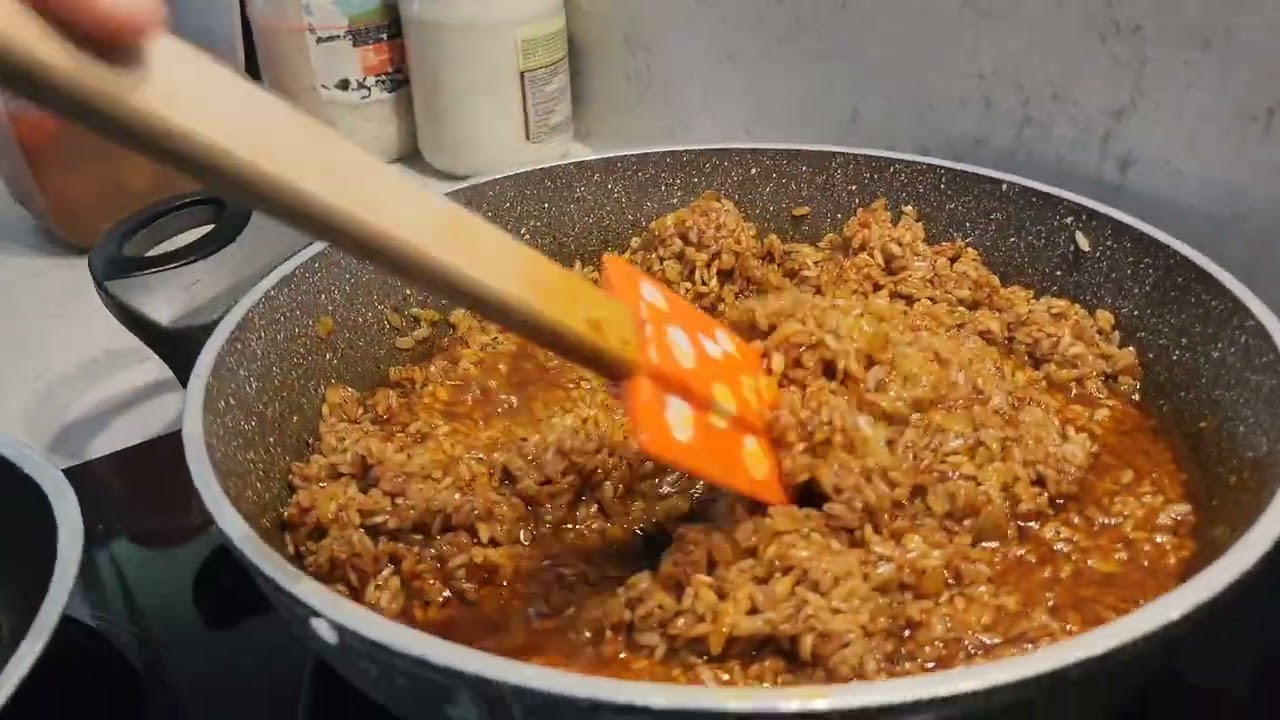
SARMA — Traditional Stuffed Grape Leaves
Sarma is a traditional dish made of grape leaves (or sometimes cabbage leaves) stuffed with rice, onions, spices, and sometimes minced meat.
The word “sarma” means “wrapped” in Turkish — referring to the way the filling is carefully rolled inside the leaves.
Sarma is a symbol of family gatherings, hospitality, and handmade cooking traditions across Turkey and the Balkans.
🧺 Ingredients (for about 30 rolls):
For the filling:
1 cup rice
1 medium onion (finely chopped)
200 g minced meat (optional — for meat version)
2 tbsp olive oil
1 tbsp tomato paste
Salt, black pepper, paprika — to taste
A pinch of dried mint or dill (optional)
For wrapping & cooking:
30 grape leaves (fresh or preserved)
2 tbsp olive oil (for layering)
Juice of 1 lemon
1 cup hot water
1. Prepare the leaves:
If using jarred grape leaves, rinse them in warm water to remove excess salt.
If using fresh leaves, blanch them for 1–2 minutes in hot water, then cool.
2. Make the filling:
In a pan, heat olive oil and sauté chopped onion until soft.
Add tomato paste, spices, rice, and (if used) minced meat. Stir for 2–3 minutes.
Add a little water and cook halfway (the rice will finish cooking later).
3. Roll the sarma:
Lay one grape leaf shiny side down.
Place a teaspoon of filling near the stem end, fold the sides over, and roll tightly like a small cigar.
4. Arrange in a pot:
Line the bottom with a few extra grape leaves (to prevent burning).
Place the rolled sarma neatly in layers.
Pour lemon juice, olive oil, and hot water to cover halfway.
5. Cook:
Place a small plate over the top layer to keep them from opening.
Cover and cook on low heat for about 40–50 minutes until tender.
Serve warm or cold.
Drizzle with olive oil or serve with yogurt and garlic sauce.
#SarmaRecipe #TurkishCuisine #TraditionalFood #StuffedGrapeLeaves #HomemadeCooking #WorldCuisine #MayaFamilyKitchen
Sarma, a dish that carries the soul of many ancient lands. From Turkey and Greece to the Balkans and the Cauasus, Sarma has been part of family tables for centuries, a symbol of love, patience, and tradition. The word sarma comes from Turkish and means to wrap. And that’s exactly what it is. A flavorful mixture of rice, herbs, and sometimes meat carefully wrapped inside grape leaves. Each small roll tells a story of mothers, grandmothers, and generations who passed the recipe down through time. The ingredients to make sarma. You need tender grape leaves, fresh in the summer or preserved for winter. The filling can vary. Rice forms the base, soft and fragrant. Ground meat, usually beef or lamb, adds richness and depth. Onions, garlic, and herbs. Parsley, mint, dill, bring color and aroma. And of course, olive oil, the golden heart of Mediterranean cuisine. Some regions even add pine nuts, raisins, or tomato paste, giving the dish a sweet or tangy note. How it’s made. First, the grape leaves are blanched in hot water for a few seconds, just enough to make them soft and flexible. Then the filling is prepared. Onions are sauteed. Rice is added with spices. Sometimes a little tomato or lemon for freshness. Next comes the most delicate step, rolling. A spoonful of filling is placed in the center of the leaf. The sides are folded and the roll is gently tucked in. Not too tight, not too loose. Dozens of small, beautiful rolls fill the pot, each placed carefully next to the other. They are then covered with lemon slices, a drizzle of olive oil, and water or broth. A plate is placed on top to keep them from unrolling, and the sarma is simmerred slowly for about an hour. During that time, the rice absorbs the aroma of the leaves, the lemon, and the olive oil, creating a truly magical flavor. Lemon. How it’s served. Sarma can be served warm or cold depending on the country and season. In Turkey and Greece, it’s often eaten cold with a drizzle of olive oil or a spoon of yogurt mixed with garlic. In the Balkans, people prefer it hot, often covered in tomato sauce. In Armenia and Azerbaijan, it’s called dolma. Slightly different, but made with the same love. The meaning behind the dish. Sarma isn’t just about food. It’s about connection. Families gather together to prepare it. One person folds the leaves, another rolls them, someone else arranges them in the pot. It’s a dish of sharing, patience, and joy.
1 Comment
Very nice sharing sister 😍 nice sharing I like it 💖 I will try soon inshallah 1 like and full watch 🎉🎉🎉🎉