
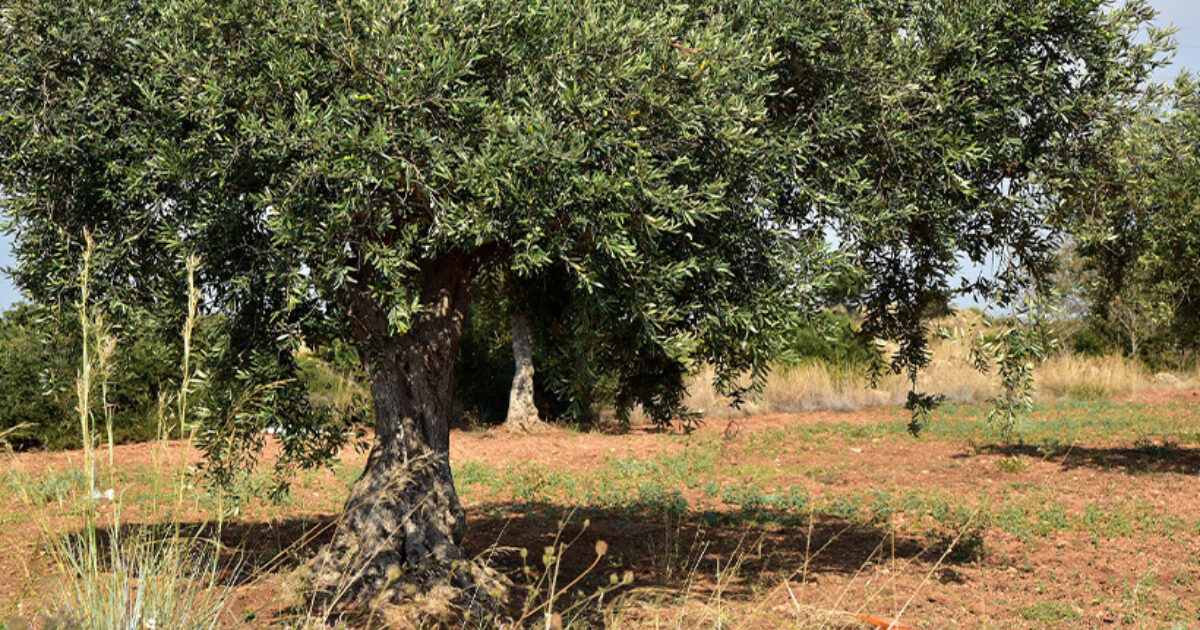
Greek olive oil production is expected to be held back this crop year due to persistent drought conditions and damage from pests. Image source: Pixabay
Greek olive oil production is expected to remain below 200,000 tonnes this crop year amid a sharp decline due to persistent drought conditions and damage from the olive fruit fly, according to an Olive Oil Times report.
Over the past two crop years, olive oil yields in the leading olive oil producing country had been weak to average, the 15 October report said.
A historically low national yield of approximately 120,000 tonnes of olive oil in 2023/24 was followed by a rebound in production, resulting in a moderate yield of 250,000 tonnes in 2024/25.
Greek producers had not enjoyed an abundant olive oil crop since the 2022/23 season, when more than 330,000 tonnes of olive oil were produced domestically, the report said.
According to some more optimistic estimates, the country’s olive oil yield would be close to 250,000 tonnes, similar to the previous year’s harvest.
However, the amount of olive oil produced nationally in Greece this year was unlikely to exceed 200,000 tonnes, other estimates said.
“I expect olive oil production in the country to drop by 50%-60% this year,” Nikos Koutsoukos, an olive oil taster and quality consultant, told Olive Oil Times.
Koutsoukos, who travels across Greece throughout the year to monitor the progress of olive trees, said low fruiting and olive pests were the primary causes of the low yield.
“The fruiting of the olive trees in many producing regions in the country was not very successful due to the warmer than usual weather,” he was quoted as saying.
“In addition, the olive fruit fly has made its presence felt in several areas, threatening to increase the acidity and lower the quality of the fresh olive oils.”
In Messenia in southern Peloponnese – one of the country’s most productive olive oil-producing regions – the lack of rain and the presence of the fly mainly in the southwest of the region had impacted the upcoming olive harvest, the report said.
The crop in neighbouring Laconia had also been affected.
“We expect the olive oil crop in the whole region to be halved compared to last year,” producer and agriculturist Yiorgos Korrinis told Olive Oil Times.
In Crete, ongoing drought conditions and other weather phenomena are expected to impact the olive oil crop, according to the report.
The olive fruit fly was also present in the island’s olive groves, posing another challenge to local farmers, although the impact of the pest was not uniform across the island, the report said.
According to Antonis Marakakis, an agronomist and head of production at Terra Creta in Kolymvari near Chania, the season’s first olive oils produced in the area had high-quality characteristics with acidity levels staying below 0.6.
In Chalkidiki, northern Greece, local producers were also facing lower olive oil production this year, Olive Oil Times wrote.
“We have not seen a substantial olive oil yield in our area for four years due to the consistently warming and dry weather,” Manolis Averis, a producer and miller based in northern Chalkidiki, was quoted as saying.
Dining and Cooking