
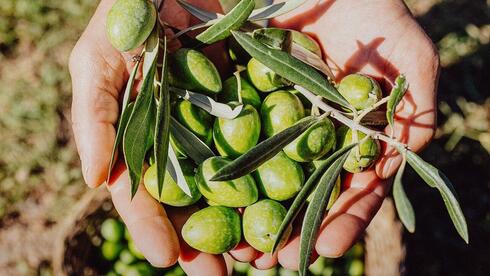
An Israeli startup is proving that even the most polluting byproducts can be turned into valuable resources. PhenOlives, based in Kibbutz Reshafim, has developed technology for the full and continuous treatment of olive pomace, the thick sludge left after olive oil production that has long been considered an environmental hazard.
The company’s patented Total Solution Impact (TSI) system uses 100% of the pomace to create products with high economic and nutritional value instead of leaving behind toxic waste.
“Our system takes all parts of the pomace, including the pits, pulp and wastewater, and separates them into three main products,” explained CEO Chen Lev-Ari and Dr. Dalia Rivenzon-Segal from the Reinhold Cohn Group, which manages the company’s patents and IP protection. “The process happens right next to the olive mills within 20 minutes of extraction to prevent the waste from turning acidic and toxic.”
PhenOlives produces three key products from the waste. The first is olive pits, which are sold to polymer companies that blend 30% of the material into their polymers. “After testing over 300 types of agricultural waste, companies found this one gave their products a natural wood-like color and made them both recycled and recyclable,” Lev Ari said. “These materials are in high demand in markets such as IKEA, even though they cost more than conventional ones.”
The PhenOlives system receives all parts of the olive pomace, including the pits, olive pulp and wastewater, and separates them into three main products.
The second product is olive flour, made from the pulp. “This gluten-free flour received ‘novel food’ approval from Israel’s Ministry of Health last year,” Lev Ari said. “It’s rich in fiber, low in calories, carbohydrates and sugars, and has a neutral flavor that makes it perfect for the health and superfood markets.”
4 View gallery
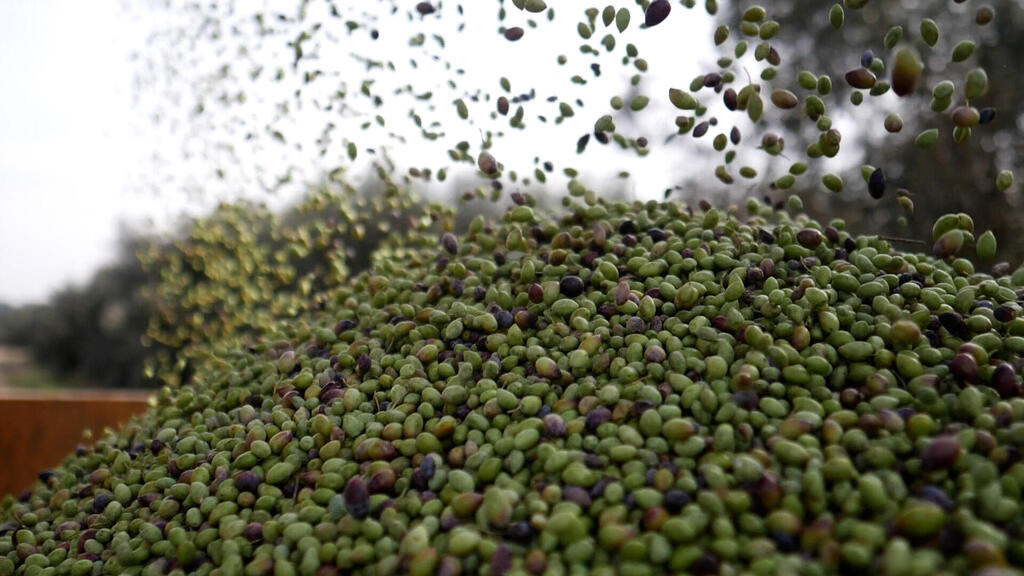
Olive harvest in the Jezreel Valley
(Photo: Yaron Sharon)
The third is a treatment for olive mill wastewater, which is highly acidic and toxic. PhenOlives’ process separates it into clean water and a highly concentrated antioxidant extract. The clean water can be reused in olive oil production, while the extract, which contains powerful compounds such as polyphenols, tyrosol and hydroxytyrosol, is marketed to the nutritional supplement industry.
“We take responsibility for the market, produce the end products and sell them through a B2B model instead of having each olive mill compete to sell its own products.”
“The goal,” Lev Ari explained, “is to turn Europe’s vast pomace reservoirs into usable water sources for summer irrigation. The antioxidant concentrate, or what we call ‘black gold,’ is one of the most valuable outcomes.”
PhenOlives’ business model is based on acquiring and managing pomace from olive mills, paying them for the waste and covering operational costs. “This saves the mills the trouble of disposal while creating an additional source of profit,” Lev Ari said. “We handle the market side, producing and selling the products B2B instead of every mill competing to sell its own.”
4 View gallery

PhenOlives CEO Chen Lev-Ari
(Photo: PhenOlives)
The company is currently seeking strategic partners to help build additional processing units. Expansion, however, faces logistical and regulatory challenges, especially in Spain, Portugal and Greece, where olive oil is a traditional industry. “Our solution must be installed directly at the mills,” Lev Ari noted. “We plan to establish a European subsidiary and continuous production lines.”
PhenOlives has completed development of its solid processing lines for pits and flour and is now building the world’s first continuous production facility in Israel. The company is in the midst of a €3 million fundraising round, with €1 million already secured from the Yizra’el Group, allowing construction to begin.
4 View gallery
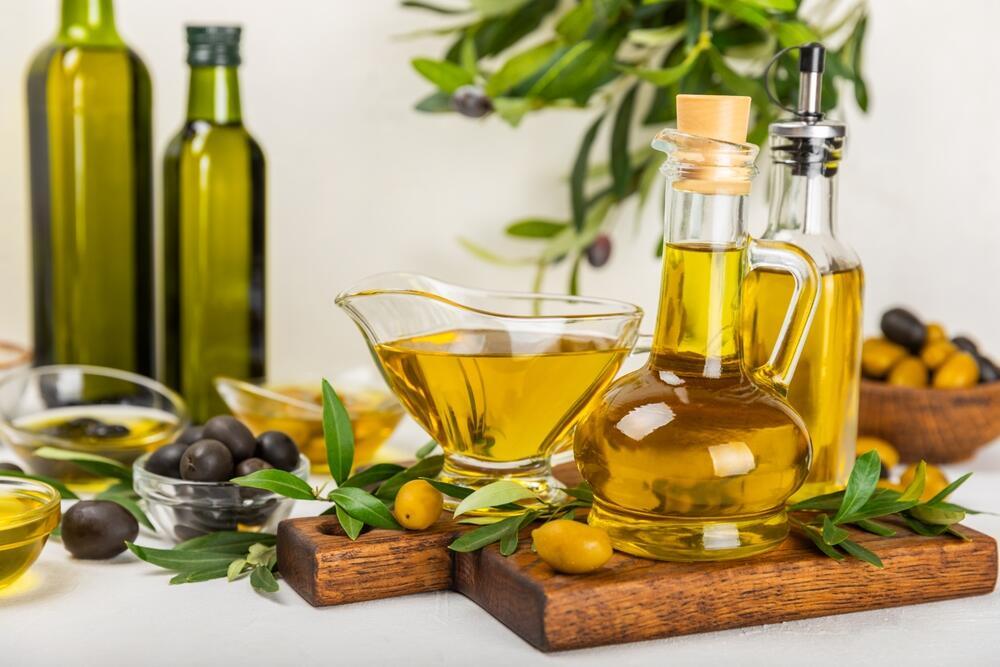
Olive oil
(Photo: Shutterstock)
“The additional funds will go toward completing R&D for the wastewater treatment phase and bringing the products to market,” Lev Ari said. “Our initial focus is on northern Europe and the United States, which are the largest potential markets. While government grants have been limited, our regional partners, Inno Valley and Yizra’el Group, have believed in the project and invested.”
Lev Ari noted that agri-food investment in Israel has declined, as most venture funds now favor robotics and software. “That’s why we rely on investors who understand the agricultural ecosystem and see the long-term value.”
4 View gallery
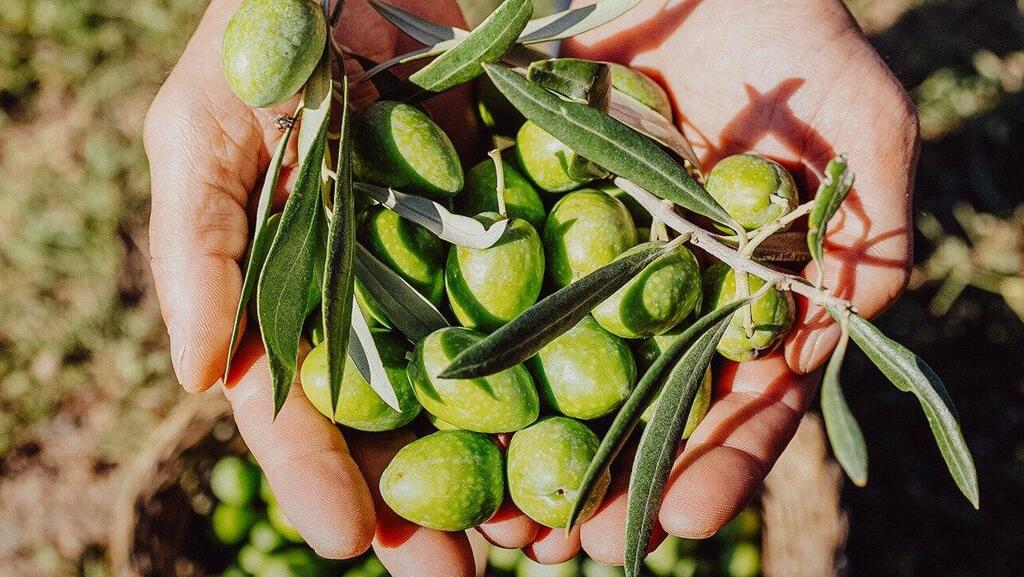
Today, untreated olive mill wastewater often pollutes soil and groundwater. “It’s either spread on the land or transported to hazardous waste sites like Ramat Hovav,” Lev Ari explained. “Our technology separates clean water that can be reused in production and significantly reduces pollution levels, nearing regulatory standards.”
The system also returns key nutrients such as nitrogen and phosphorus to the soil through irrigation water, ensuring the solution is circular and sustainable. “We’re not creating new problems further down the chain,” Lev Ari said. “Our solution reduces industrial waste by 20% to 30%, and that’s just the beginning.”
PhenOlives’ innovation is giving Israel’s agricultural sector a fresh reason for pride, turning one of the Mediterranean’s dirtiest industries into a model of green ingenuity.
Dining and Cooking