
When the leaves turn golden and the temperatures start to drop, many of us turn to a rotation of classic comfort food recipes to ease us into the chilly winter months. One family favourite that tends to get a good airing at this time of year is spaghetti bolognese.
While it’s easy to assume that this popular pasta dish hails directly from Italy itself, some claim that it’s a British or US invention, thought to have emerged in the 20th century when Italian communities settled in the countries.
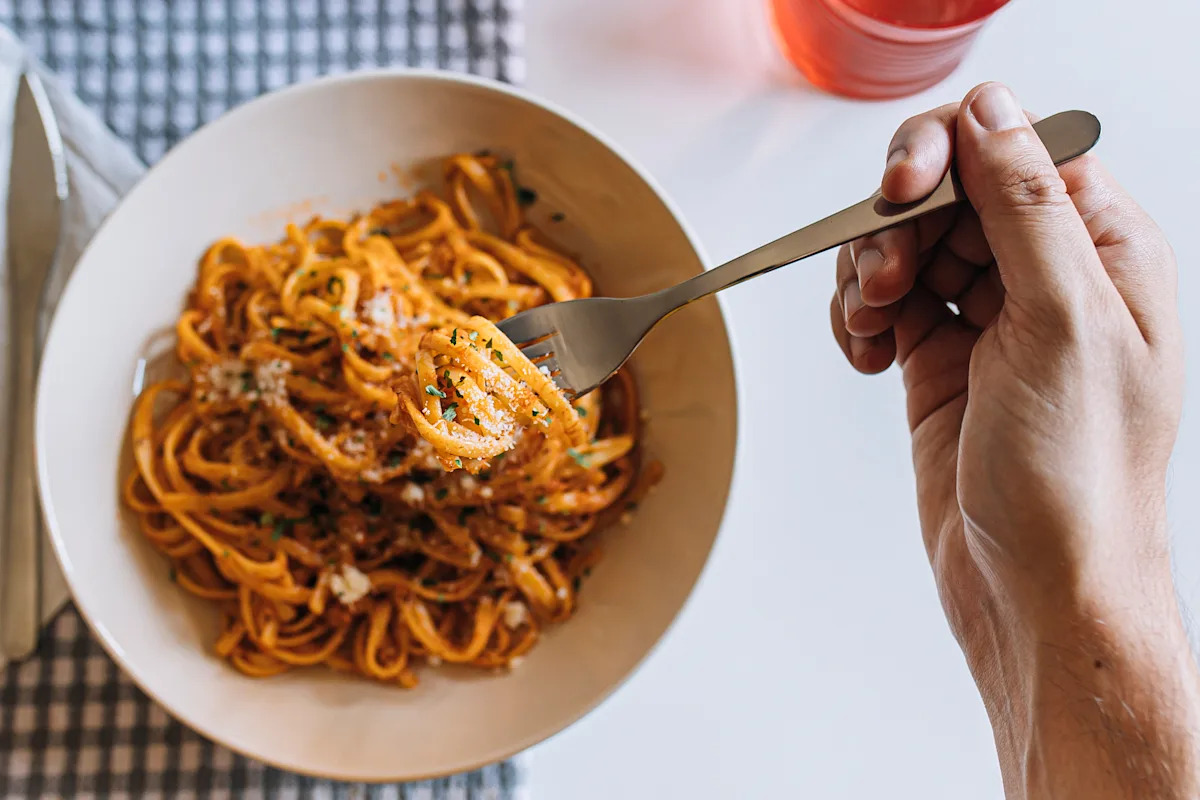
In the city of Bologna, where British ‘spag bol’ takes much of its influence from, you’re far more likely to come across a traditional meaty dish called ragù alla bolognese, which is served with a flat pasta like tagliatelle to better hold the rich sauce.
And while cooking your bolognese the British way – using a tin of tomatoes or a jarred sauce – isn’t inherently wrong, you might be missing out on a huge trick by skipping a key step the Italians take. In many kitchens, chefs and nonnas swear by tenderising their ragù with a small dash of milk, specifically in the early stages of cooking.
According to these regional cooks, this simple, cheap and effective tip can add an incredible depth of flavour to your sauce, taking your winter cooking to the next level.
Why add milk to bolognese sauce then?
The late chef and cooking writer Marcella Hazan is credited with introducing America and the UK to the joys of authentic Italian cooking when she released her bestselling tome The Classic Italian Cookbook in 1973.
In the seminal book, the Italian-born writer explains that when it comes to a bona fide ragù hailing from the Bolognese region, local cooks typically tenderise their meat in milk to protect the dish from the acidic bite of tomatoes and white wine, which are later added to the pan.
The milk, Hazan writes, must be added a step before the tomatoes to keep the meat tasting creamier and sweeter.
“In Italy, we have maybe three or four different ways of making bolognese, but this recipe is the classic, and adding milk to the pan adds richness and body to the sauce itself,” explains leading Italian chef Francesco Mazzei, who heads up Villa Corinthia in Malta and Mezzogiorno in London.
“Generally, people make bolognese all wrong, as they put chopped tomatoes into the pan, which are very acidic,” he adds. “The authentic Italian way is to use a dash of milk first, and then add some tomato paste to the pan.”
The main reason for adding milk to the meat, Mazzei explains, is that its mellow profile works to balance flavour, acidity, thickness and richness in what can be quite a tart dish. Plus, it can also add a silkier texture to the bolognese sauce.
“Some people believe it tenderises the sausage meat too,” he adds, “although if you’re cooking your ragù for several hours, the meat should tenderise nicely anyway.”

A generous glug of milk can balance the acidity of the tomatoes in your bolognese, say Italian chefs. (Image: Getty)
How to add milk to your bolognese correctly
The key to maximising the Italian’s saucy hack is to add your dairy to the pan early on. Chucking a dash of the white stuff into your bolognese right at the last minute will likely leave you with watery, unappealing mess.
“The worst thing you can do is put the milk together with the white wine,” Mazzei agrees. “If the milk hasn’t evaporated completely, it can easily curdle when the two are mixed together.”
If you fancy making your ragù the authentic Marcella Hazan way, here’s how to do it:
Start by sautéing the onion, then the carrot and celery in butter and oil in a pan.
Add your minced beef and cook until it browns.
Add about 200 to 250ml milk per 500g of meat.
Simmer the milk gently and slowly until it is almost completely evaporated.
Next, add a grating of nutmeg.
Then, add a splash of white wine and let that evaporate in the pan.
Follow it up by adding tomato. Hazan uses very little, about two tablespoons of concentrated paste with water.
Simmer on a low heat for a minimum of three hours.
An extra handy tip? “You’ll want to use rich whole fat milk in your bolognese rather than semi-skimmed,” explains Mazzei.
“When you reduce full-fat varieties in a pan, it becomes a creamier, condensed milk which creates a kind of emulsion which works well in meat sauce.”
3 other bolognese mistakes you’re likely making
Aside from utilising cow’s milk and switching the pre-made sauces for a dollop of tomato paste, Mazzei says there are a few other common ragù blunders that amateur home cooks often make.
1. You’re only using beef
Minced beef is the cornerstone of a classic bolognese, but Mazzei says you can supercharge the flavour of this hearty dish by tossing a trio of meats into the pan. “I use pork, veal and beef because it makes the sauce more interesting,” he says.
2. You’re scrimping on cooking time
A bowl of bolognese can be whipped up in as little as 20 minutes, but that doesn’t necessarily mean it will taste the best. Rather than trying to cram the cooking process into your fleeting after-work hours, Mazzei suggests treating it as a sacred Sunday tradition.
“Bolognese needs at least three hours to cook, so I advise making a three or four-kilo batch at the weekend, which you can stick in your freezer and use accordingly,” he says.
“You really don’t want cooking to be stressful; a nice glass of red wine paired with a book to read while it’s simmering can make the whole process more therapeutic.”
3. You’re committing a cardinal pasta sin
Finally, to really eat like a northern Italian, you’ll want to switch out the pack of dried spaghetti for a thicker fresh tagliatelle. The idea is that these flat ribbons work a bit harder to capture the meat between the twisted layers of pasta on your fork, delivering more flavour with each bite.
Well, if it’s good enough for the Italians, it’s good enough for us.
Read more about food and drink:
Dining and Cooking