
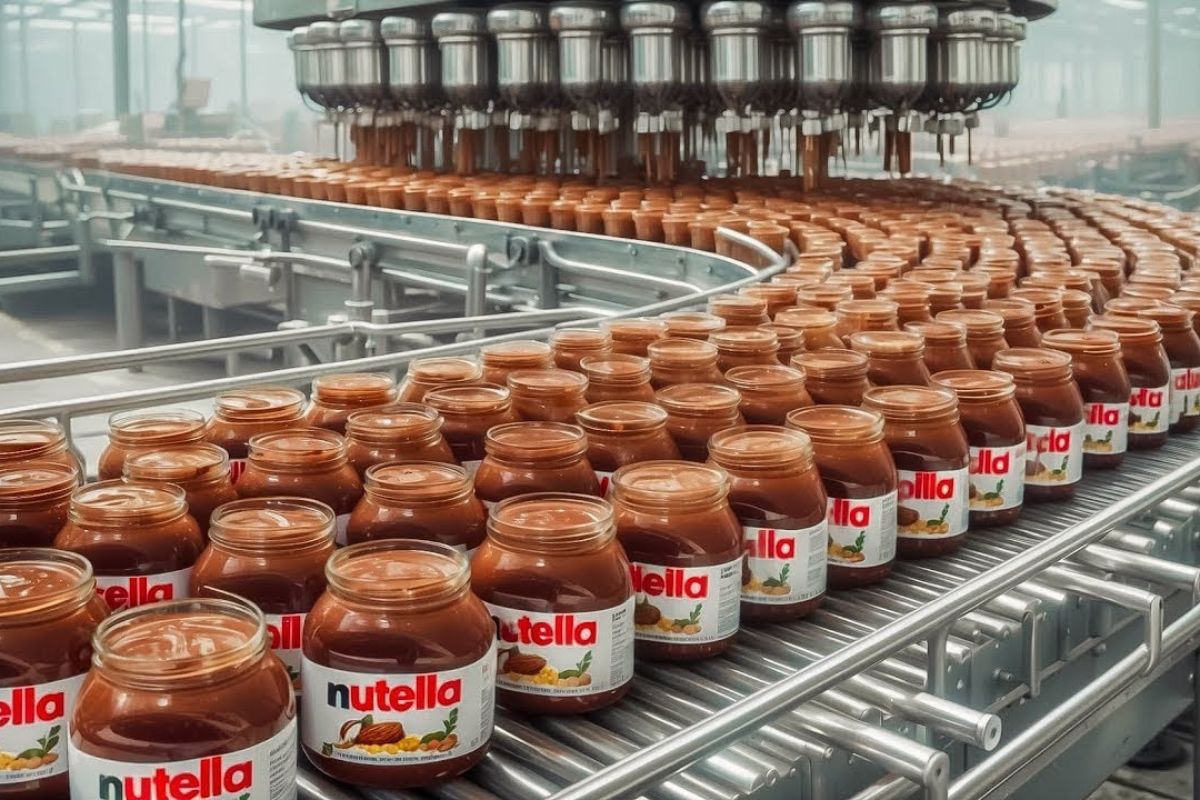
Created in the 1940s in an Italian bakery, Nutella was born as a solution to the chocolate shortage during World War II and became a global phenomenon. Today, the hazelnut spread, made with hazelnuts from Turkey, African cocoa, and a closely guarded recipe, undergoes a sophisticated industrial process that combines… Tradition, food engineering, and quality control on a global scale.In every jar, the goal is the same: to deliver a creamy texture, standardized flavor, and a recognizable experience to the consumer, whether they are in France, Brazil, or Australia.
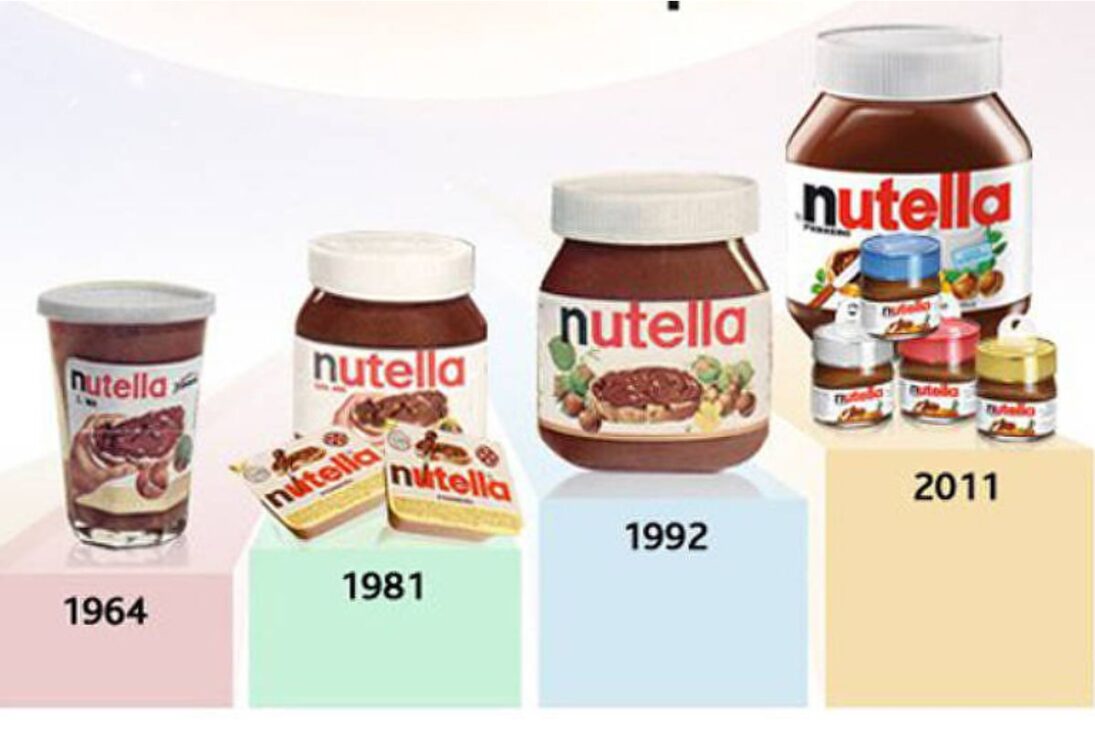
Over the decades, Nutella has evolved from a solid block served in slices to an easily spreadable cream, keeping pace with packaging changes, adjusting its communication, and expanding its industrial presence without abandoning its original identity. Today, Factories in different countries replicate the same pattern of hazelnut roasting, cocoa processing, and mixing of sugar, milk, palm oil, and vanilla. and ensure that each batch must meet strict criteria. Before it even reaches retail, behind a food item seen as “simple,” lies a complex global chain, coordinated to maintain product consistency year after year.
From an Italian bakery to a global leader in sweet creams.
The story of Nutella begins in Italy, when baker Pietro Ferrero decided to mix hazelnuts with chocolate paste to overcome the cocoa shortage during the war.
— ARTICLE CONTINUES BELOW —
The first version, in block form, could be cut into slices and served with bread, still far from the cream that the public knows today.
The product underwent changes in texture, name, and presentation until it reached the creamy form that would be named Nutella in 1964, after improvements to the original formula.
From there, growth was rapid. Nutella first spread throughout Europe, reaching France in 1966, and then expanded to other continents, with the first factory outside Europe opening in Australia in 1978.
In Brazil, the brand was established in 1994, and in 1997, the factory in Poços de Caldas began producing Nutella and other brands to supply the local market and countries such as Germany, Argentina, Russia, the United States, and even Italy itself.
The story illustrates how a product born in a context of scarcity has become a global benchmark for an entire segment.
The seven ingredients that define the flavor of Nutella.
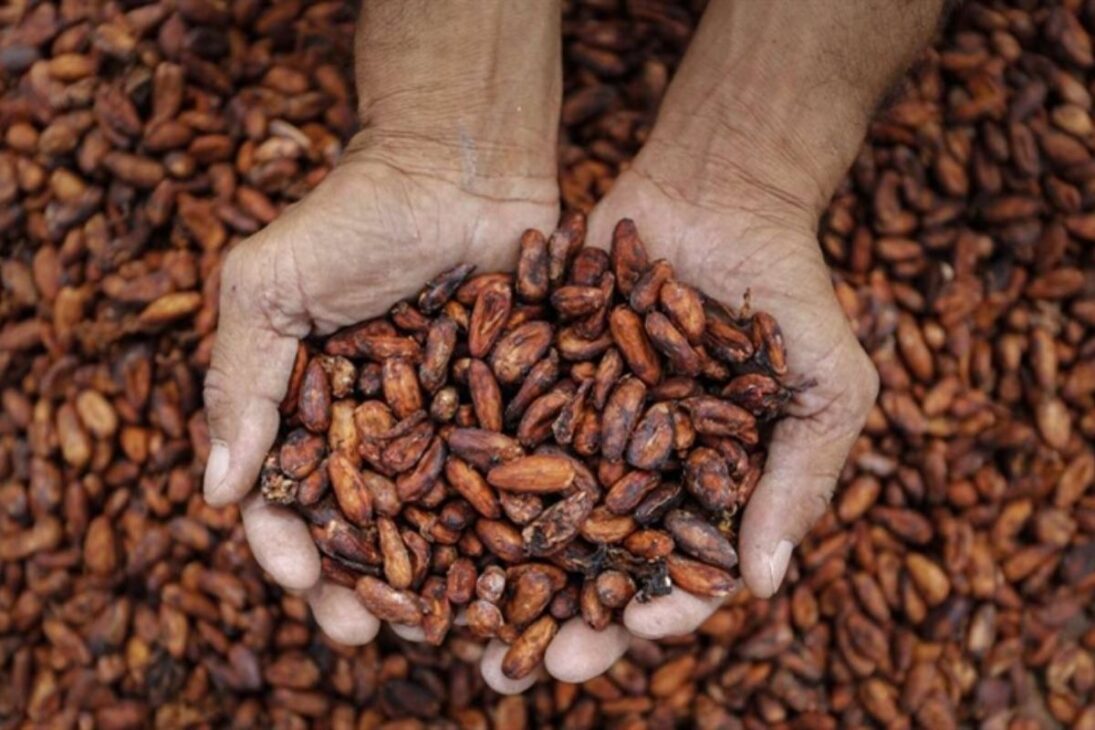
According to the manufacturer, the current Nutella is composed of seven main ingredients: cocoa, milk, hazelnuts, vanilla, sugar, palm oil, and soy lecithin.
Each of them enters the formula with a specific function, and the balance between these raw materials is an essential part of the secret recipe.
Hazelnuts, the basis of Nutella’s characteristic flavor, come mainly from Türkiye and Italy.
The cocoa is sourced from African origins and needs to be processed in a way that allows it to integrate perfectly with the hazelnut paste. The skimmed milk powder contributes to the texture and sensory profile, while the sugar ensures the level of sweetness that the consumer recognizes.
Palm oil is responsible for the creaminess and ease of spreading of the product.Soy lecithin acts as an emulsifier, helping to keep the mixture stable.
Vanilla completes the aromatic profile, bringing the whole together.
From hazelnut to paste: controlled roasting and precise grinding.
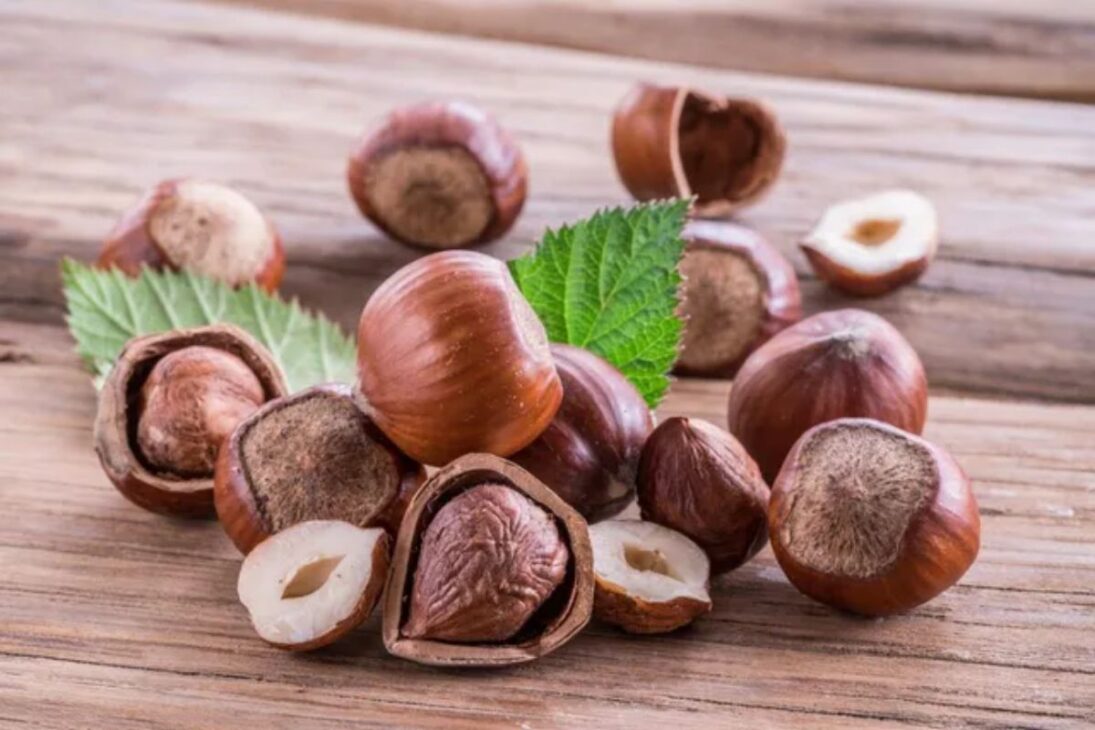
The journey of Nutella begins long before the factory, in the hazelnut fields.
After being harvested, the hazelnuts are taken to industrial facilities where they undergo a carefully controlled roasting process.
The goal is to enhance flavor and aroma without burning the fruit, avoiding unwanted bitter notes.
Time and temperature are critical parameters., adjusted to ensure that each batch exhibits the same sensory standard.
After roasting, the hazelnuts are cooled and then sent to systems that remove the skin through vibration and airflow. This step reduces bitterness and prepares the nut for grinding.
Next, specialized equipment transforms the hazelnuts into a smooth paste, which will be the base of Nutella’s flavor.
The consistency of this paste is crucial: it needs to be thin enough to ensure a creamy texture, but with the intensity of flavor preserved.
African cocoa, sugar, and milk: building the base of chocolate.
Alongside the preparation of the hazelnut paste, African cocoa is processed to achieve a particle size and flavor profile compatible with the final product.
The goal is to obtain a cocoa paste that blends uniformly, without lumps, maintaining a stable color and an aroma that complements, and does not overpower, that of the hazelnuts.
Next, sugar and powdered milk are added to the mixture, in proportions defined by the original recipe.
It is at this point that Nutella gains its identity as a sweet hazelnut and cocoa spread., balancing sweetness, body and mouthfeel.
Fine-tuning this step ensures that a jar opened in São Paulo tastes the same as one opened in Paris.
Palm oil, homogenization and final texture
Palm oil is incorporated at a key point in the process. It directly influences the texture, spreadability, and behavior of the product at different ambient temperatures.
To ensure that Nutella remains creamy and without separation, the mixture undergoes a homogenization process, which combines controlled heat and pressure to fully integrate the ingredients.
During homogenization, the cream’s structure is stabilized so that the result is a smooth and uniform mass.
It is this control that allows you to open the jar and always find the same consistency., with no perceptible variations from batch to batch.
Once this stage is complete, the Nutella is cooled and transferred to storage tanks, where it is kept under controlled conditions until packaging.
Packaging, sealing and global distribution
Once the Nutella is ready, the product is sent to automated filling lines.
Glass or plastic containers of various sizes are filled with precision, minimizing air and preventing contamination.
Next, they are hermetically sealed to preserve freshness, texture, and flavor until consumption.
After sealing, the jars are labeled and grouped into boxes or pallets, ready to be shipped to distribution centers.
The same standardization logic that guides the formulation extends to the packaging., ensuring a consistent visual identity across different markets and facilitating immediate brand recognition on store shelves.
Quality control and industrial scale of Nutella
Throughout all stages, the Nutella production process is accompanied by rigorous quality controls.
Samples are taken at different points along the line for laboratory evaluations, sensory tests of taste and texture, and verification of compliance with internal standards.
The goal is to prevent any out-of-specification batch from reaching the consumer.
Today, Nutella is produced in 11 factories worldwide, with an annual capacity of approximately 365.000 tons and a presence in about 75 countries.
The brand employs over 22 people and reports annual financial results exceeding 800 million euros, consolidating its position as a global leader in sweet creams.
This scale is only possible because the recipe, industrial protocols, and quality controls are reproduced with a high degree of precision.
Iconic packaging, aggressive marketing, and interesting facts.
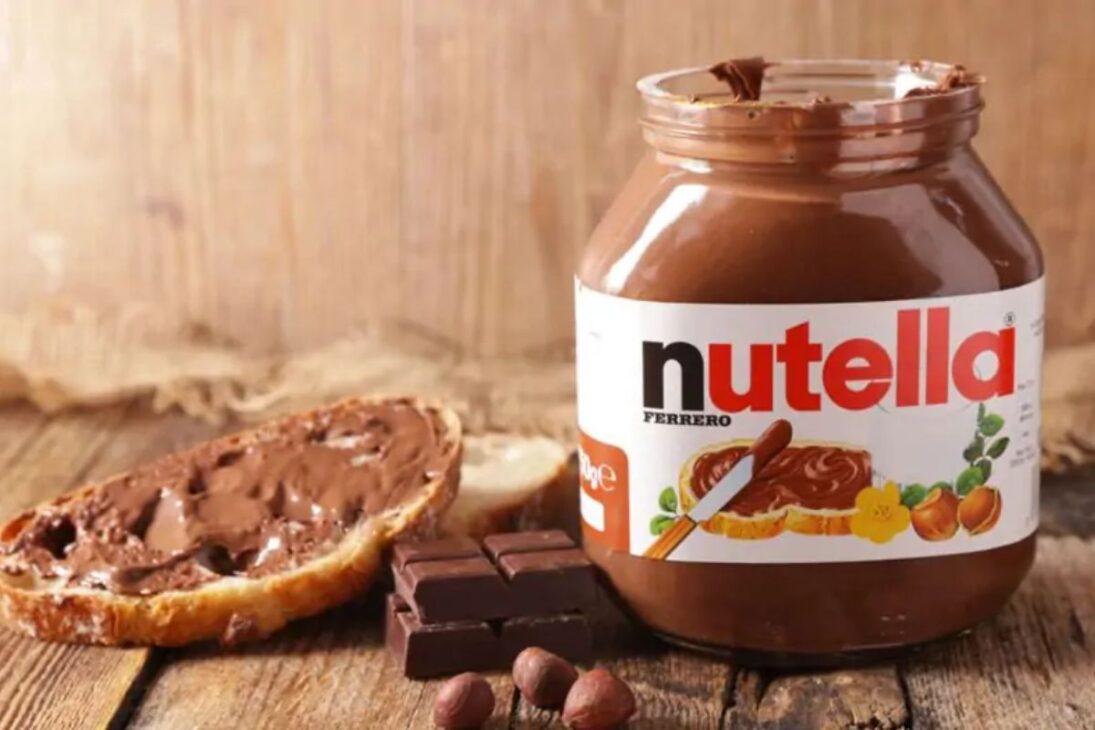
In addition to the production process, packaging and communication played a decisive role in Nutella’s success.
For years, the brand focused on containers that transformed into cups after use, some with geometric patterns and others with children’s characters.
The advertising strategy reinforced the product’s image as a desirable item for breakfast, snacks, and family moments.
The strength of the brand has generated some interesting figures: there is a World Nutella Day, celebrated on February 5th, and events such as the largest continental breakfast with Nutella, which brought together more than 27 people in Germany in 2005, have been recorded, earning it a place in the Guinness Book of Records.
Estimates indicate that dozens of jars are sold every minute worldwide, which translates to more than 100 tons consumed annually.
Controversies, palm oil, and consumer perception.
The use of palm oil in Nutella has also placed the brand at the center of discussions.
European authorities have warned of the formation of potentially carcinogenic substances when this type of oil is heated to temperatures above 200°C, recommending caution when consuming products that use this ingredient processed under extreme conditions.
The company, in turn, defends the rigor of its processes and the safety of its product within regulatory parameters.
These controversies highlight how a widely consumed food is now being viewed more critically, especially as concerns about health, the origin of ingredients, and environmental impacts increase.
Between Italian tradition, high industrial technology, and contemporary debates about food, Nutella remains one of the most popular spreads. most well-known people on the planet.
For you, is Nutella an occasional treat, part of your routine, or a product worth reconsidering in light of everything that lies behind each jar?
Dining and Cooking