
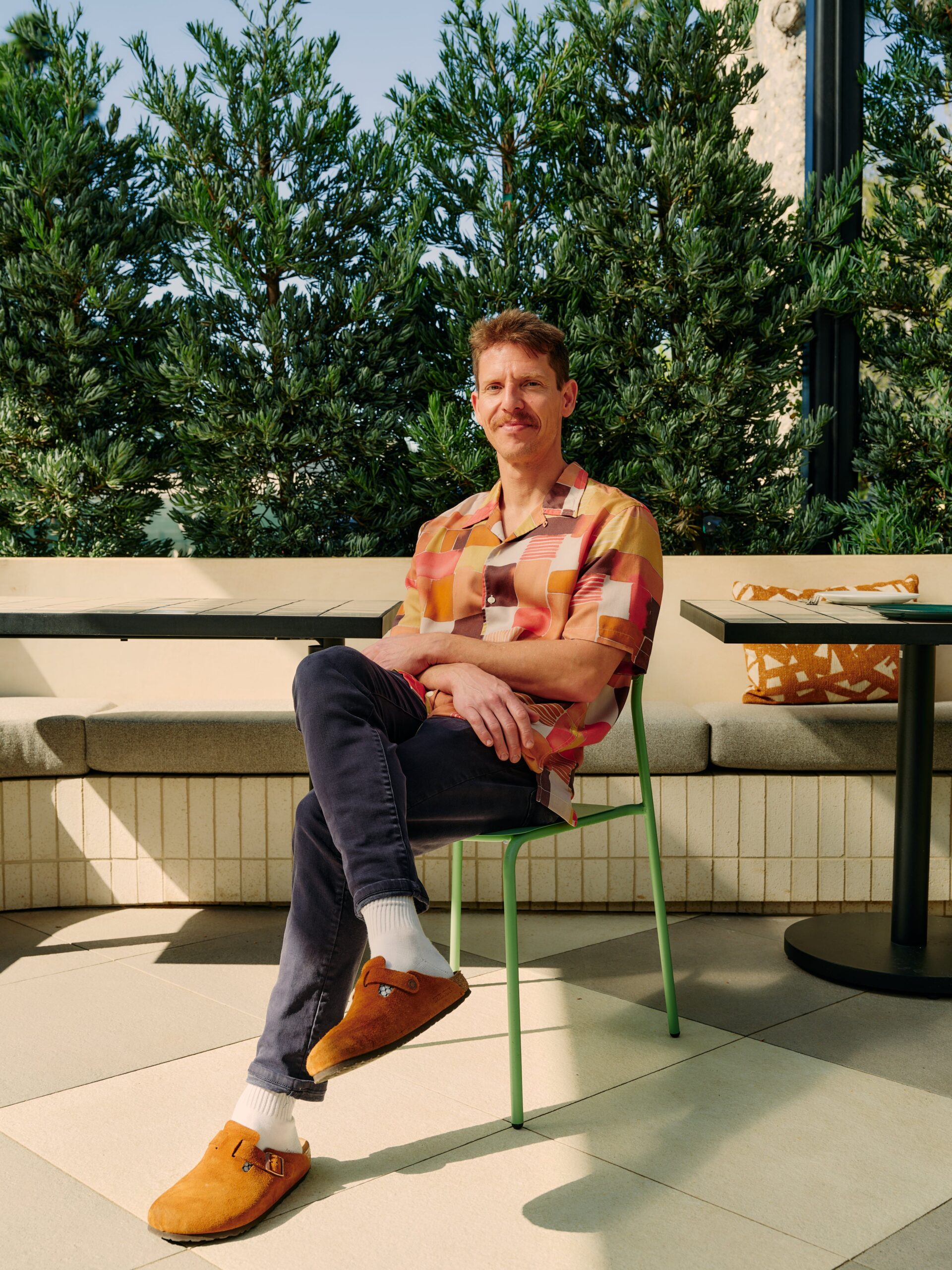
The Shift: Cooking with Less Ego and More Openness
The years that followed pushed Pollack to rethink what he wanted from restaurant life. After the intensity of Alimento and Cosa Buona, he began to recognize that his cooking had been shaped as much by ambition as by instinct. He had spent years proving something, both to the city and to himself. It was a period that produced excellent food and earned wide recognition, but it also left him questioning the kind of chef he wanted to be.
When he started imagining his next restaurant, Pollack approached it with a different mindset. He wanted something lighter in spirit, easier on the edges, and more grounded in hospitality than in performance. He has said that the new chapter is less driven by ego than Alimento and less confined by genre than Cosa Buona. The goal was not to reinvent Italian food or chase acclaim. It was to create a place where people could feel welcome, relaxed, and well fed.
This shift in perspective marked the beginning of Cosetta. It allowed Pollack to bring together everything he had learned in Italy, everywhere he had cooked in Los Angeles, and everything he had grown into over time. It was a chance to build a restaurant not out of urgency, but out of clarity.
Cosetta: A Chef Settles Into His Own Voice
Cosetta represents a new chapter for Pollack, one that feels steadier and more assured than anything he has built before. The restaurant sits on the edge of Santa Monica’s Ocean Park neighborhood and approaches Italian cooking through a California lens. The style is relaxed rather than rigid, guided by local produce and consciously sourced meats, and anchored by the puffy-crust pizzas that have become Pollack’s calling card.
Cosetta opened in April 2025 and quickly established itself as a neighborhood fixture. The motto, “it’s the little things,” is woven into every part of the experience, from the warm service to the details on the plate.
The space itself mirrors that shift in tone. The semi-covered patio offers an easygoing lunch option, while the main dining room brings together a slanted ceiling, arch and column accents, earthy tones, olive trees, and exposed brick. Pollack immediately recognized the potential of the freestanding former Coffee Bean building, especially when he discovered the large parking lot. The convenience felt meaningful, a practical gesture to guests who might otherwise circle Santa Monica for twenty minutes before a meal.
The menu reflects Pollack’s interest in balance and approachability. Raw bar items, salads, small plates, pizzas, and Milanesi cutlets form the backbone of the offerings. Standout dishes include Sicilian ponzu scallops, bloomin’ radicchio, the house-baked bread with burrata, and the La Spagnolo Ricco pizza made with uni butter and a tin of Spanish clams served sidecar style. The beverage program follows the same philosophy. Drinks like the Sasa, with caramelized artichokes, cynar, Pecorino, and Rinomato Americano, echo the quiet technique that drives the food.
Cosetta succeeds because it is not trying to be anything other than what it is. It is a restaurant shaped by maturity rather than momentum, designed for both casual drop-ins and destination diners, and rooted in a desire to make people feel well cared for. In a city that is constantly reinventing itself, Cosetta is a reminder that evolution in the kitchen does not always mean reinvention. Sometimes it simply means cooking with a clearer sense of who you have become.
Dining and Cooking