
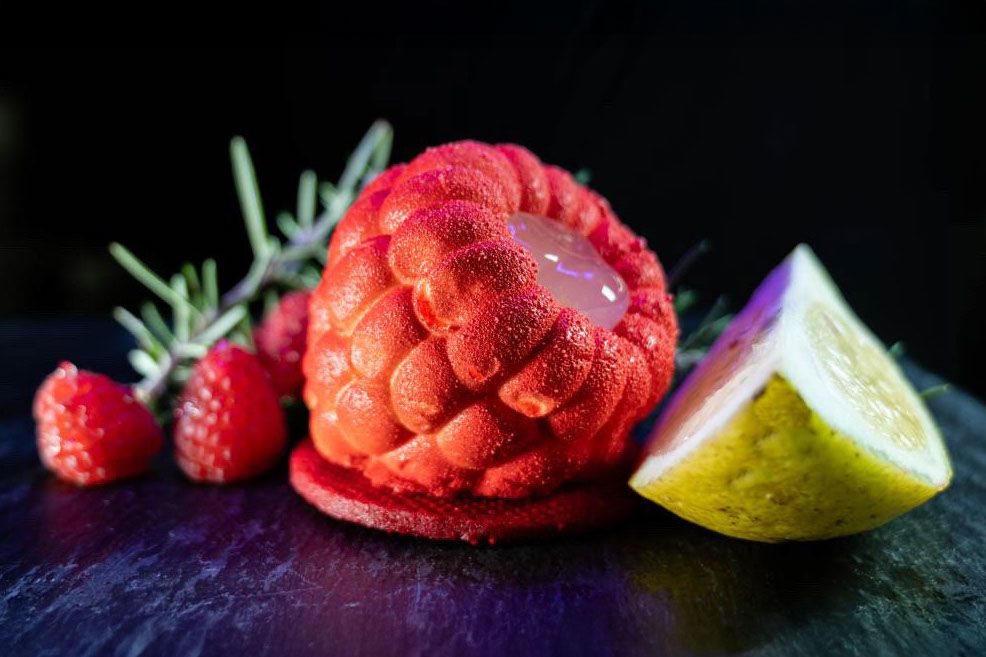
Italy kept the top spot for classic tiramisu, with Sicilian pastry chef Milena Russo Testagrossa winning the category outright for her Tiramisud, a dessert inspired by Sicilian flavors.Japan excelled in the innovative category, where Aya Okada earned gold for her grand piano–shaped tiramisu, combining traditional mascarpone and coffee with cherry accents.With chefs competing from 12 countries under strict rules requiring mascarpone, coffee, and a baked base, the event showcased tiramisu’s versatility, including Moroccan baker Simon Loutid’s entries spanning both classic and contemporary styles.
È un piccolo scandalo. Headlines around the world declared that Japan had dethroned Italy in tiramisu, but the truth — like the dessert itself — is layered. At the World Championship of Tiramisu in Rome, categories were split between classico and innovativo. Japan took gold in the latter, while Italy held firm to the crown of the classic.
The competition, organized by the International Federation of Pastry, Ice Cream, and Chocolate, brought together chefs from 12 countries. Each had two hours and 30 minutes to prepare their entries, with rules requiring mascarpone, coffee, and a baked base — whether ladyfingers, a shortcrust, or another biscuit. Creativity was encouraged in the innovative category. For context, the traditional tiramisu is defined by layers of coffee-soaked ladyfingers, mascarpone cream, and cocoa powder.
Italy keeps the classic crown
Sicilian pastry chef Milena Russo Testagrossa, of La Cometa in Mirto, Messina, clarified her role in the competition during an Instagram exchange conducted in both English and Italian.
“The Japanese chef won first prize in the innovative category, and that makes sense, because it was about creativity, practically reinventing tiramisu,” Russo Testagrossa wrote. “But many didn’t understand that the classic, the one born in Italy, was won by me, an Italian. I took the absolute first in the classic category. There wasn’t even a second or third place. I won the absolute.”
Her dessert, the Tiramisud, paid homage to Sicily: a mandarin-and-thyme gelée, a coffee heart, a chocolate ladyfinger, and a sablé shortcrust with Modica chocolate. She described the process as deeply collaborative, crediting her coach (and boss) Filippo Nici of La Cometa.
Japan’s Innovative gold
Japan’s winning entry came from Aya Okada, 29, of Ishikawa Prefecture. Her tiramisu was shaped like a grand piano, layered with mascarpone and coffee, and accented with maraschino and amarena cherries. Judges praised it for blending tradition with bold, artistic presentation, making it a standout in the innovative category. Coverage from Italianismo and others emphasized how symbolic the win felt — Japan mastering Italy’s most iconic dessert on Italian soil.
It’s been reported that third place went to Moroccan baker Simon Loutid, who operates a bakery in Luxembourg and was profiled in The Luxembourg Times. His entries included both a traditional tiramisu and a contemporary version featuring hibiscus and Viennese sponge, underscoring the dessert’s adaptability.
“I had been preparing for several months before the event, then spent about a week in Italy to refine my work, train on site, and compete,” Loutid told The Luxembourg Times. “It was an intense and unforgettable experience — the level was extremely high, and the atmosphere among the participants was exceptional.”
Entries were judged on technical execution, flavor balance, and adherence to category rules. Yet despite the fanfare, the Federation itself did not post detailed results or respond to requests for clarification by publication time, leaving this journalist to piece together the outcome from social media, local coverage, and one illuminating Instagram conversation.
Rome’s championship is not the only tiramisu contest. The Tiramisù World Cup in Treviso also crowns winners annually, with its own set of rules and categories. Together, these events highlight how a humble dessert has become a stage for international culinary rivalry.
In the end, the “scandal” was less about dethroning Italy and more about celebrating tiramisu’s versatility. Italy kept the classic crown, Japan dazzled with innovation, and Morocco reminded everyone that tiramisu belongs to the world. As Russo Testagrossa put it: “They were all good masters, and I am honored to have participated with them. I congratulate all of them.”
Dining and Cooking