
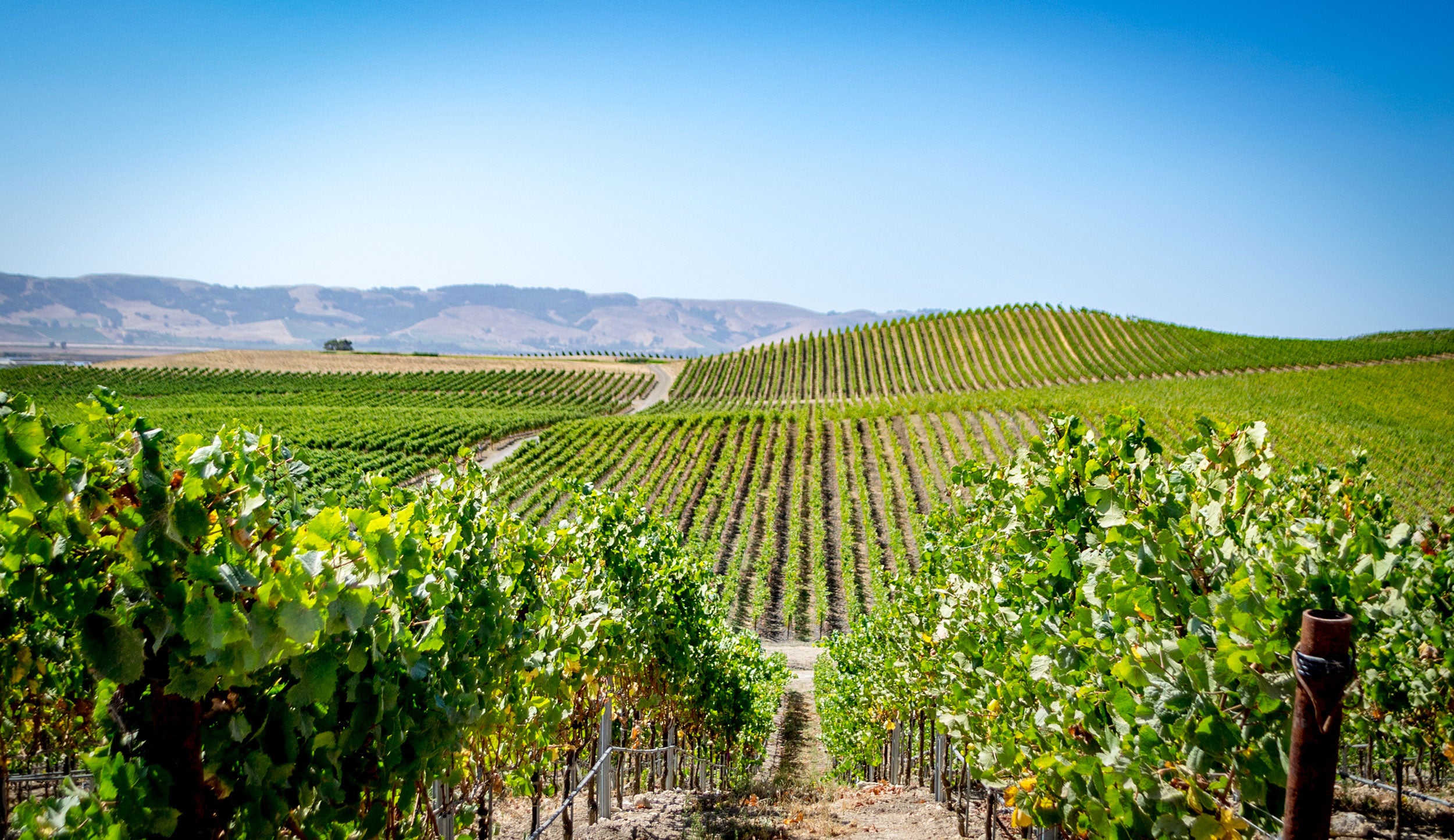
Farmers and ranchers aren’t strangers to the volatile nature of commodity markets. Riding the highs and surviving the lows has become the nature of the beast that is the agricultural industry. Right now, it’s the wine industry that’s experiencing a straining downturn, and farmers are feeling the effects. But, it’s more than just producers who are in duress.
The most prolific location for wine grape production in the United States is California, which produces, on average, 81 percent of total U.S. wine annually, according to the Wine Institute, and is the fourth largest wine producer in the world. The California wine industry generates about 1.1 million jobs nationwide, including 422,000 statewide. Furthermore, in the state alone, the wine industry generates $73 billion in annual economic activity, and $25.9 billion in wages.
What happens in the California wine industry subsequently impacts not only the livelihoods of those within the state, but also the economies of every other state.
Bronco Winery Co., a company based in the Central Valley that bottles over 50 brands of wine, laid off over 200 employees earlier this year, amid the struggling market. Republic National Distributing Company (RNDC) is exiting California, which distributes over 2,500 alcohol brands, and will lay off over 1,700 employees and cease operations this coming fall.
It doesn’t stop there. Wineries are downsizing, consolidating, or closing altogether. The list goes on and on, and so many people are seeing the effects: farmworkers, tasting room employees who provide hospitality to wine enthusiasts traveling from all over the world, suppliers within the agricultural space that provide crop protection services, dealerships and equipment manufacturers, and tech companies that serve the wine industry. This even affects community sponsorship contributions for local nonprofits, youth sports programs, and more.
“When this industry struggles, entire communities feel it. This isn’t just about wine; it’s about livelihoods, local economies, and the future of rural California,” stated Natalie Collins, president of the California Association of Winegrape Growers.
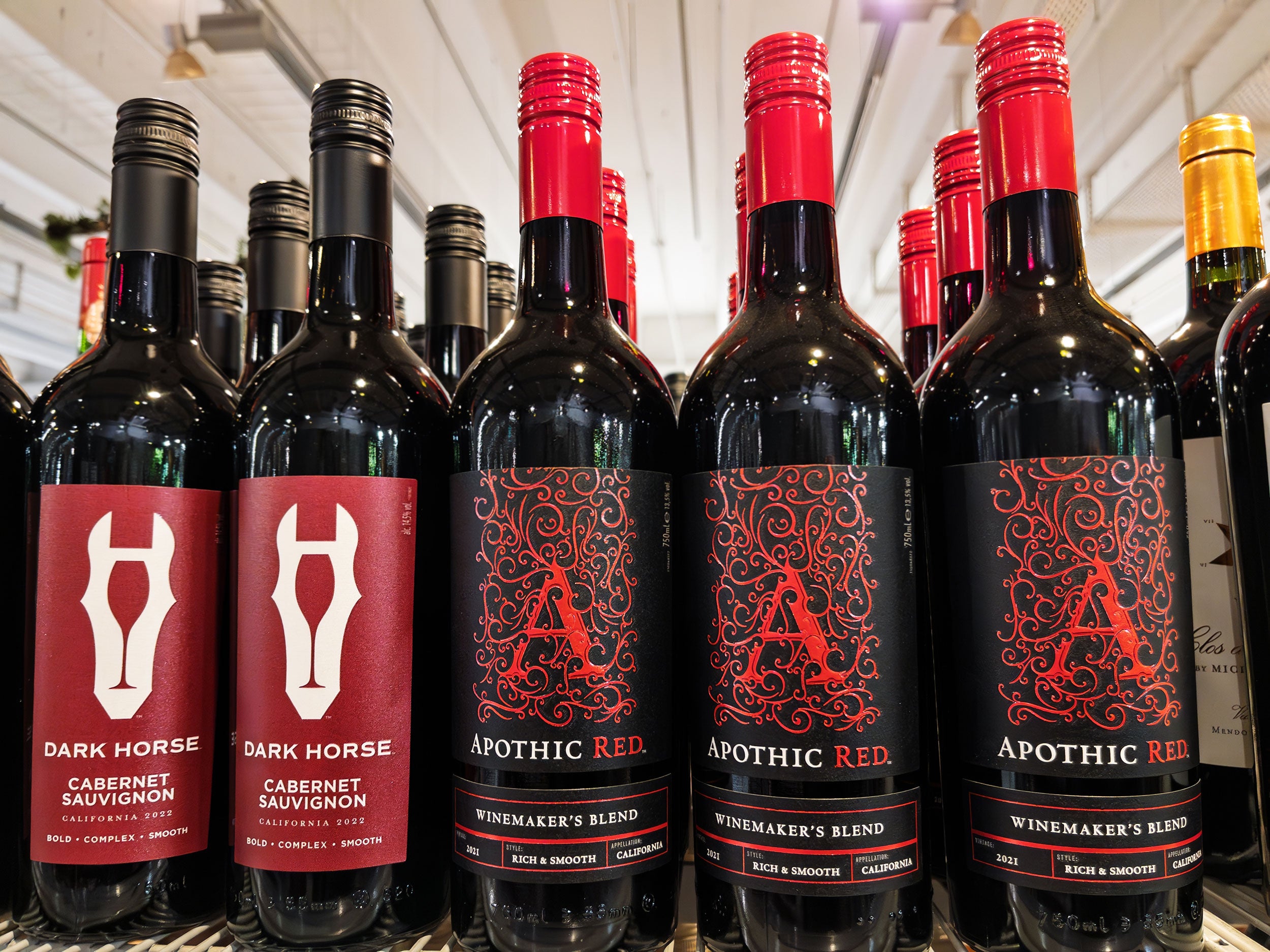 Red wine brands Dark Horse and Apothic are both from California. (Image by VGV MEDIA, Shutterstock)
Collins shared her thoughts on the severity of the current wine industry market, and what is causing it, noting that, while it has been a slow progression, it has accelerated in recent years.
“The warning signs have been building, from shifting consumer preferences to growing competition from imports. But the COVID-19 pandemic created a temporary bubble that gave many in the industry a false sense of recovery,” Collins said. “During lockdowns, wine sales spiked as people stocked up and drank more at home. It looked like a resurgence, but it wasn’t sustainable. In many ways, the pandemic masked and delayed what was really coming. What we’re seeing now isn’t a sudden collapse, it’s the result of years of slow erosion that was briefly paused, then rapidly exposed.”
She added that “the California wine industry is facing one of its most serious downturns in decades, not because of a single issue, but a combination of challenges hitting all at once. Shifting consumer preferences, oversupply, consolidation, and competition from low-cost, often subsidized, imports have created intense market pressure.”
The pressure created from these challenges is only stacking on top of the myriad pain points that already exist for producers outside of current market events, all of which any person in production agriculture is unfortunately very familiar with.
Collins said growers are also dealing with rising costs, canceled grape contracts, climate extremes like wildfire and drought, and tightening regulations.
“Even access to credit is shrinking, making it harder to farm through the season. Any one of these pressures might have been manageable on its own. But layered on top of each other, they’ve pushed California winegrape growers and wineries to a breaking point,” she said.
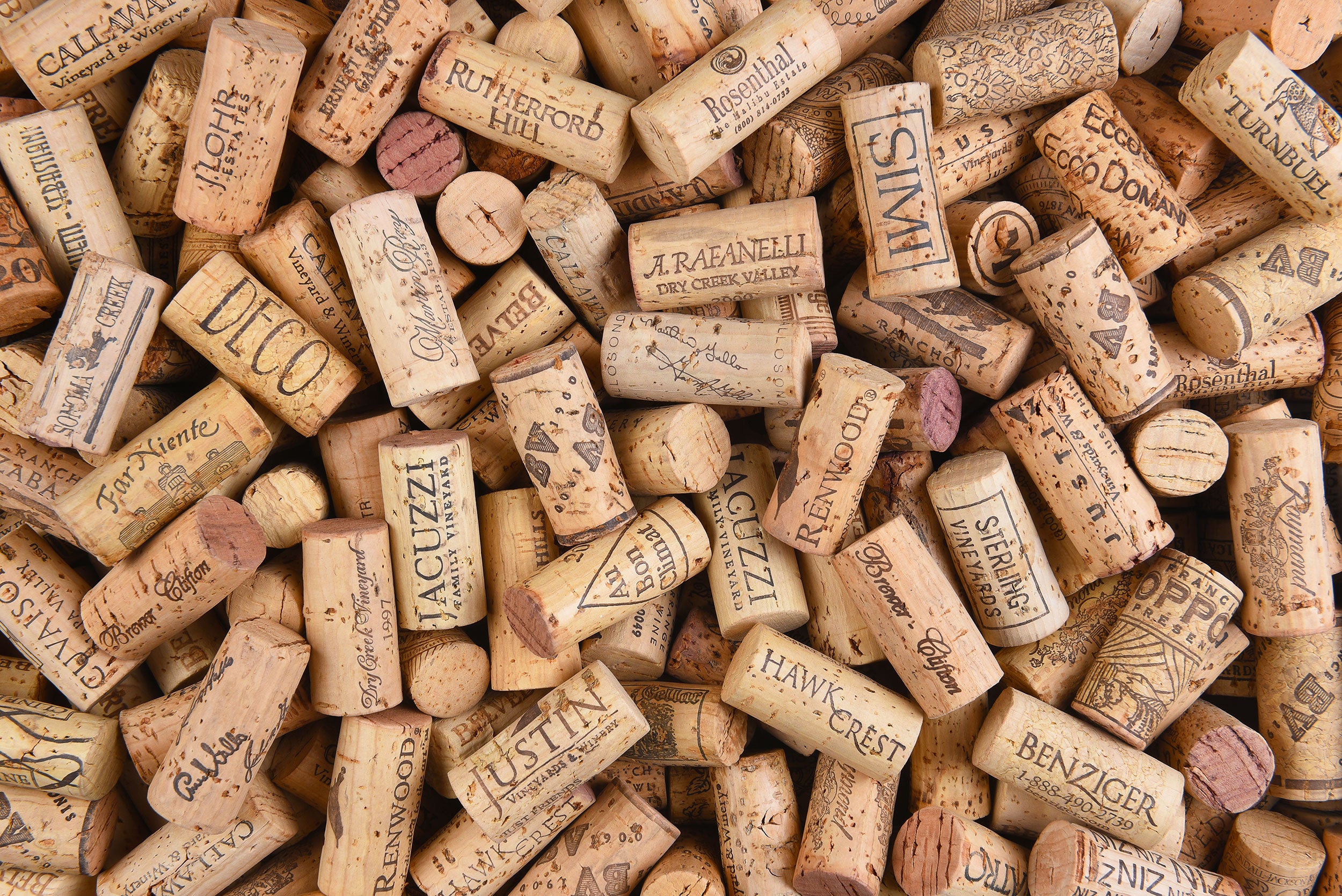 A selection of wine corks from predominantly California wineries. (Image by Steve Cukrov, Shutterstock)
From Napa Valley to Paso Robles, every wine region within the state is vulnerable to the unique challenges of their area, but it’s the San Joaquin Valley, which produces the majority of California’s winegrapes by tonnage, that Collins explained is being hit the hardest.
“Growers there are directly competing with imported bulk wine, often brought in at lower costs by large wineries to fill bottles in the value to premium tiers,” Collins said. “These imports make it difficult for growers to compete, despite producing high-quality fruit under much stricter labor, environmental, and regulatory standards.”
Amy Blagg, executive director of the Lodi District Grape Growers Association and a Lodi wine grape grower herself, understands all too well the way producers are feeling.
“Grape growing is generational for many Lodi area growers. It is not uncommon for a family to have fifth and sixth generations involved in their farming operation,” she said. “For many of these families, grape growing is all they know. Their vineyards represent their family’s history, and they were relying on them for their future. Selling the farm is more than a business transaction, it is deeply personal.”
“There’s a sense of desperation right now and many growers are struggling to see a clear path forward.” Collins added. “There’s frustration, uncertainty, and deep concern for their families, their farms, and the future of their livelihoods. This isn’t just a business hardship; it’s a personal and emotional crisis for those who have dedicated their lives to farming and growing quality California winegrapes.”
And if things keep going the way they are, it will only get worse. Which might feel inevitable as one drives through the state and sees all the abandoned vineyards. According to Collins, California winegrowers removed over 35,000 acres in 2024, and industry members have said that some 50,000 acres still need to be removed to balance supply and demand. In 2024, California recorded its lightest winegrape crush in the past 20 years, with over 350,000 tons of winegrapes left on the vine, unharvested, due to the lack of market.
“Driving through rural Lodi and other parts of the state, abandoned vineyards, vines in the process of being removed, and fallow ground where vineyards once stood are a common sight,” Blagg explained. “Many vineyards and properties with open ground are being listed for sale, but lack of grape contracts, the cost of vineyard removal, few options for profitable alternative crops, and interest rates have had a significant impact on land values and sales.”
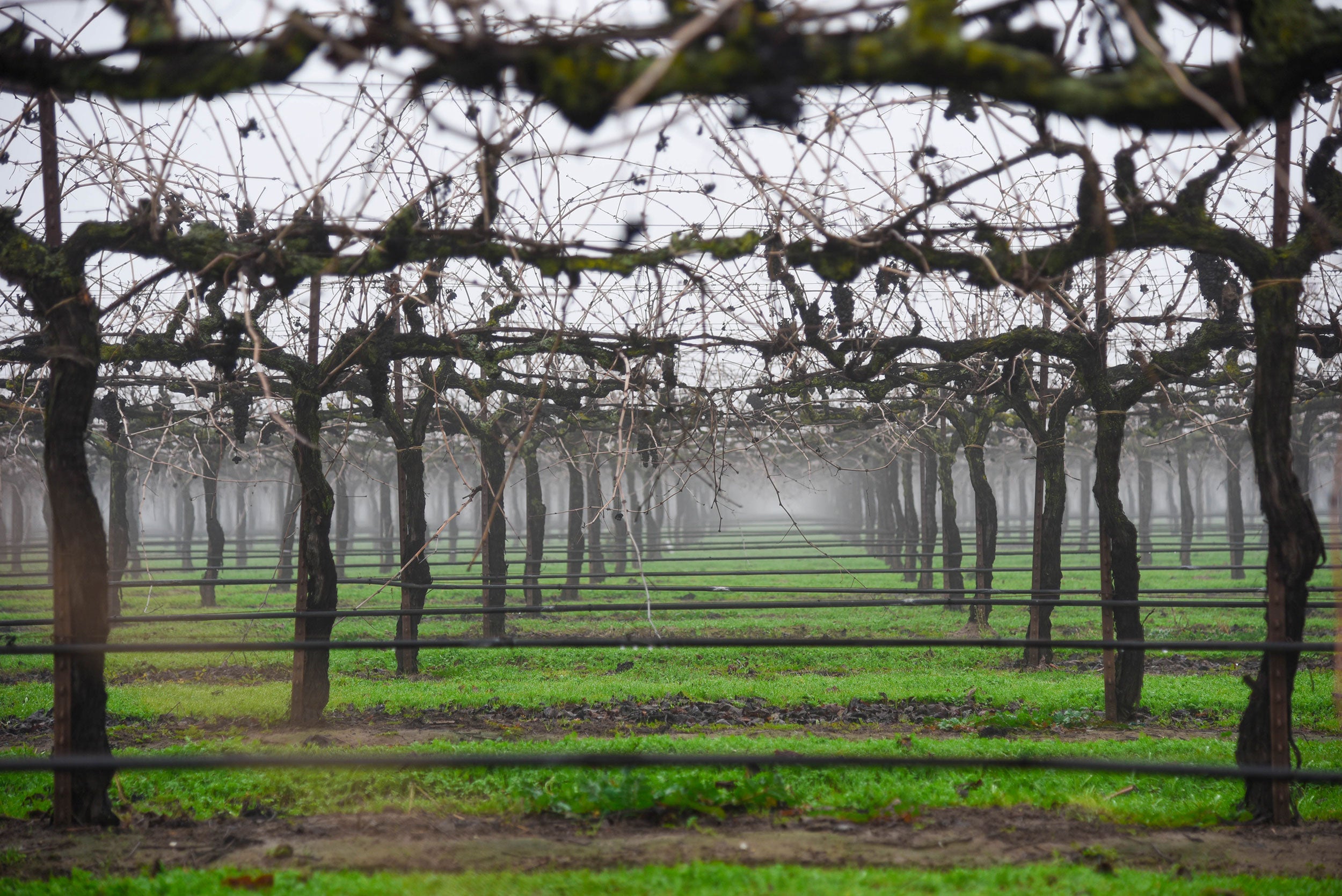 A foggy winter morning descends on a vineyard in Lodi, California. (Image by Chantarat, Shutterstock)
Collins expands on the discussion about abandoning and removing vines.
“Growers are removing vineyards at an increasing rate, and what happens next varies,” she said. “Some are leaving the land fallow, allowing it to sit without planting anything new. Others are exploring alternative crops, but because grapes are a permanent and high-investment crop, it’s unlikely that much of the removed acreage will be replanted with vineyards anytime soon.”
She continued, “In the San Joaquin Valley, many growers are actually leaving abandoned vineyards in the ground. The cost to properly remove vines and comply with strict disposal regulations has become prohibitively expensive. Unfortunately, this creates additional challenges, such as increased pest and disease pressure, which can impact neighboring vineyards and the broader agricultural community.”
Growers in the Southern San Joaquin Valley and the Paso Robles areas of California wine growing regions have explored this topic greatly, as the impacts of water rights and the Sustainable Groundwater Management Act have already taken their toll in these areas. While it isn’t always practical to remove vineyards or replant to another crop, certain growers are making the tough call.
Collins explained the options growers have, “Agave has become a popular alternative crop, while some growers are transitioning to other specialty crops like blueberries, olives, or tree nuts such as almonds and pistachios. Others are leasing their land temporarily for row crops just to keep it in production while they evaluate long-term options.”
But, as Blagg reiterates, planting another crop isn’t always viable. In Lodi, where her family farms grapes, certain aspects make it easier to find alternatives, but those also come with their own challenges.
“Growing conditions, soil, and water availability make Lodi ideal for a number of crops, but there are few options that make economic sense at this time,” she said. “Tree nuts including almonds and walnuts are seeing their own market challenges. Some growers are looking at short-term options including row crops or forage crops, but those markets are limited as well.”
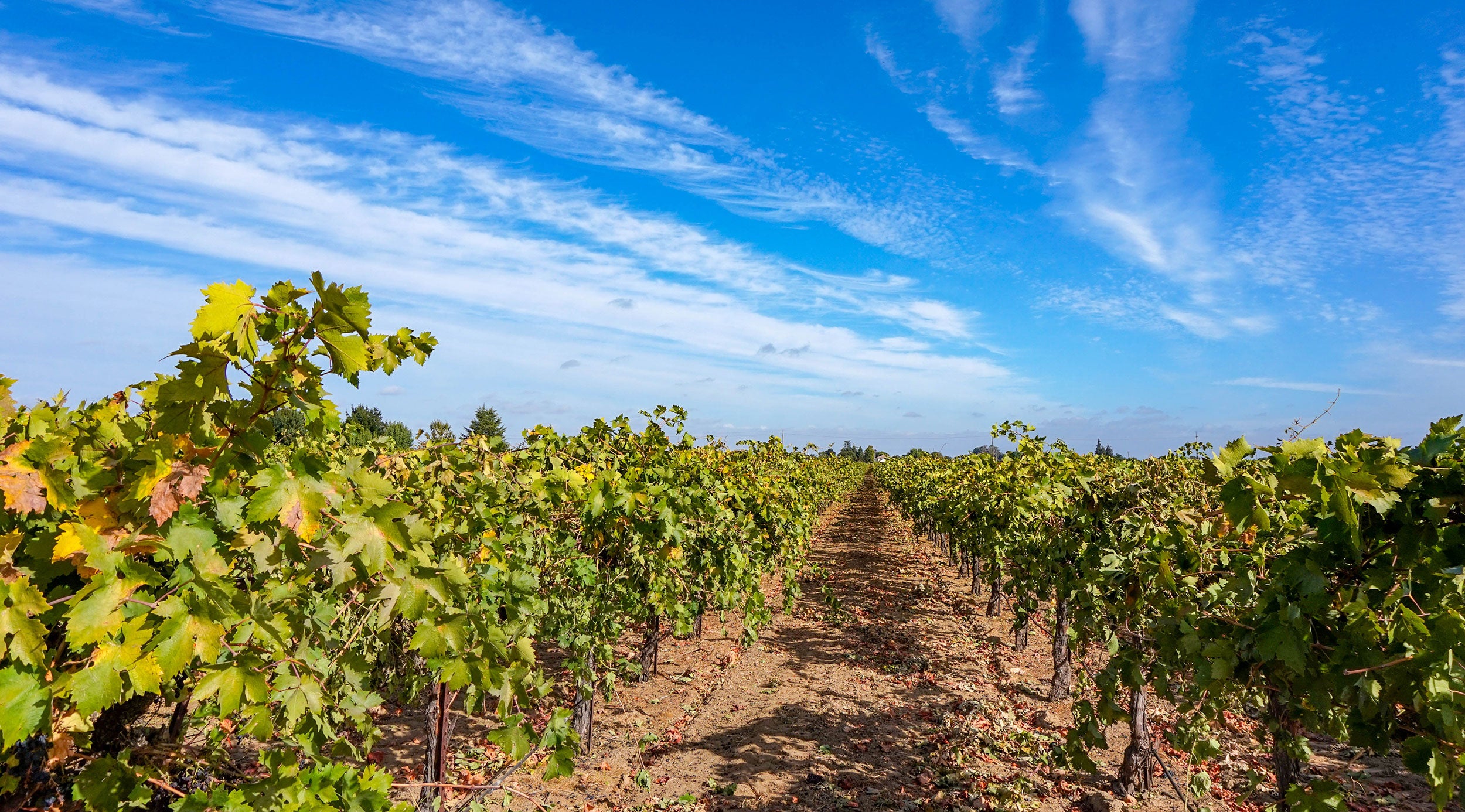 California’s Mediterranean climate is ideal for a number of specialty crops, including grapes. (Image by Chantarat, Shutterstock)
And, as many within the agriculture industry have feared for quite some time, what happens to the land that can no longer be farmed?
“The deeper fear is that some of this prime farmland will be lost forever, sold to developers, paved over, and removed from agriculture entirely,” Collins said. “We only have a finite amount of productive land in this world. California, with its unique Mediterranean climate, has the rare ability to grow a wide range of high-quality specialty crops. Preserving that land for farming should be a priority, not just for agriculture, but for the food security, economy, and environmental health of the entire state.”
If you think your own personal wine consumption doesn’t impact what’s going on, Blagg emphasizes that it’s value wines, those priced under $12, that have seen the biggest decline.
Collins adds an actionable plan for readers: “If you love wine, here’s something simple you can do to help: Next time you’re picking out a bottle, take a moment to check the label and choose California. When you do, you’re supporting hardworking family farmers, farmworkers, and sustainable growing practices, all right here in our own communities. Every bottle really does make a difference.”
Markie Hageman Jones majored in agribusiness at Fort Hays State University. She is actively involved in her state Cattlemen’s Association, Young Farmers chapter, and National Cattlemen’s Beef Association. Her AGDAILY.com articles can be found here.
Sponsored Content on AGDaily
Dining and Cooking