

Tuesday, 2 December 2025, 18:29
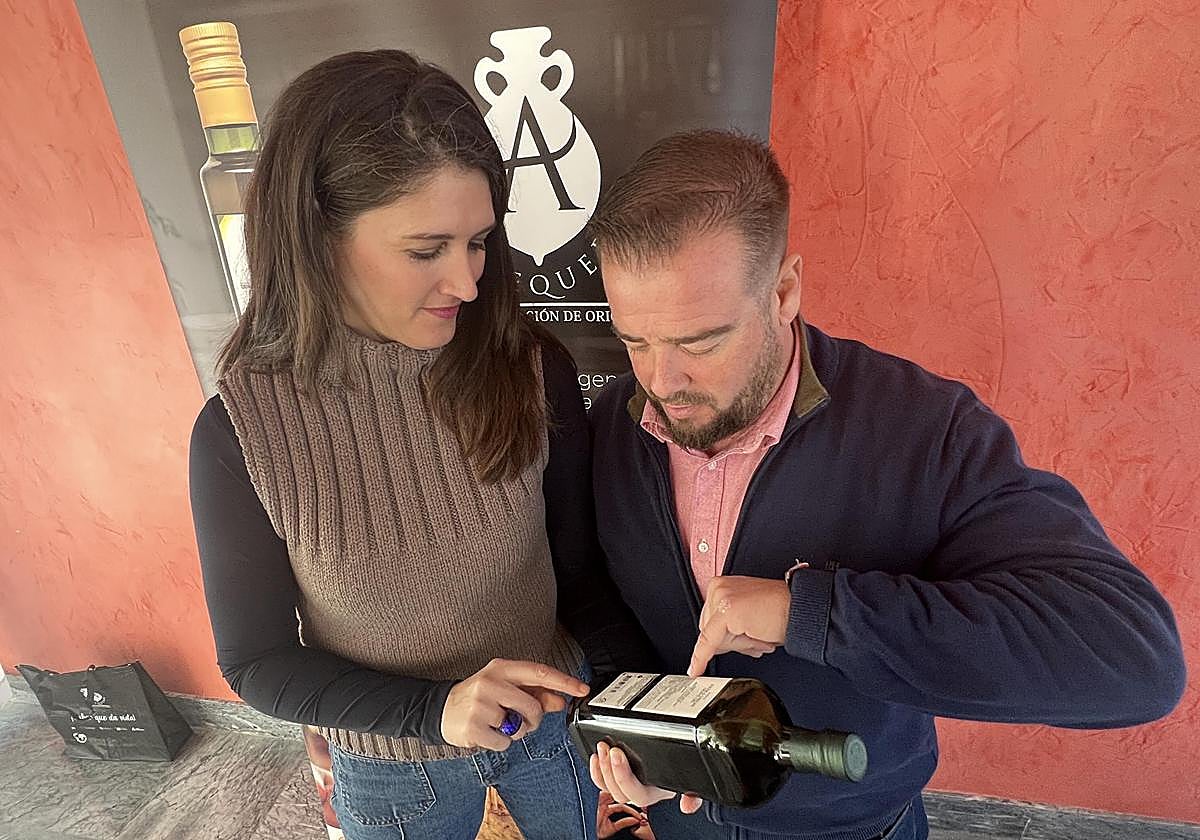
Protected designation of origin (PDO, DOP in Spanish) olive oil from Antequera has now reached South Korea, which has tripled its initial request of 10,000 litres in one month. This revised request to 30,000 litres demonstrates the value placed on the quality of the olive oil produced by the cooperatives in the Antequera area, according to Benito Avilés, president of the PDO regulatory board.
“We have opened markets in countries such as Japan and Korea, where there is high demand for this type of olive oil.” The key is the focus on the quality of such oil as part of healthy eating and lifestyle habits.
This protected designation of origin status is the only one for olive oil in Malaga province, encompassing 18 municipalities in the Antequera area, plus Palenciana in Cordoba. It involves more than 5,000 farmers cultivating a total of 42,600 hectares, with over 13 cooperatives “striving year after year to improve quality to ensure that such quality reaches the consumer”.
The hard work begins with “the olive harvest, processing and rapid production turnaround in our mills”. The farmers’ commitment “to quality is evident, for example, in the DCOOP group’s master awards, where two of our mills have won three awards”.
These are early harvest olive oils from cooperatives registered under the PDO, among the more than 120 cooperatives that make up the Dcoop agri-food group. These cooperatives produce “a highly valued oil that provides a lot of employment in our area. Olive oil is like water, without it, there would be no life in our area, as it is practically the only product that still maintains the population and creates jobs.”
Marina de Torres, secretary-general of the PDO board, noted that the number of cooperatives has increased from 13 to 14 with the addition of Nuestra Señora del Rosario from Teba. “The regulatory board is open to any operator joining, be they a packer, marketeer or producer.” The only thing they have to comply with are the requirements published in the PDO specifications, which are backed by the European Union.
Dining and Cooking