
Salers is one of the most exquisite of France’s 1,000 or so cheeses. It is made between April and November with raw milk from cattle that have grazed in the high pasturelands of the rural south-central zone that has given it its name.
Fresh green grass must make up at least three quarters of the cows’ diet under existing regulations. But their fine dining is about to go downmarket. Under new rules, the 4,500-odd Salers-making cows will now be fed as much hay as grass.
Many locals have said that the rule change is necessary to save one of France’s finest cheeses, given that grass is in increasingly short supply in the warming climate. But some fear it threatens to alter a 2,000-year-old tradition, undermining the unique taste of Salers and possibly its value too.
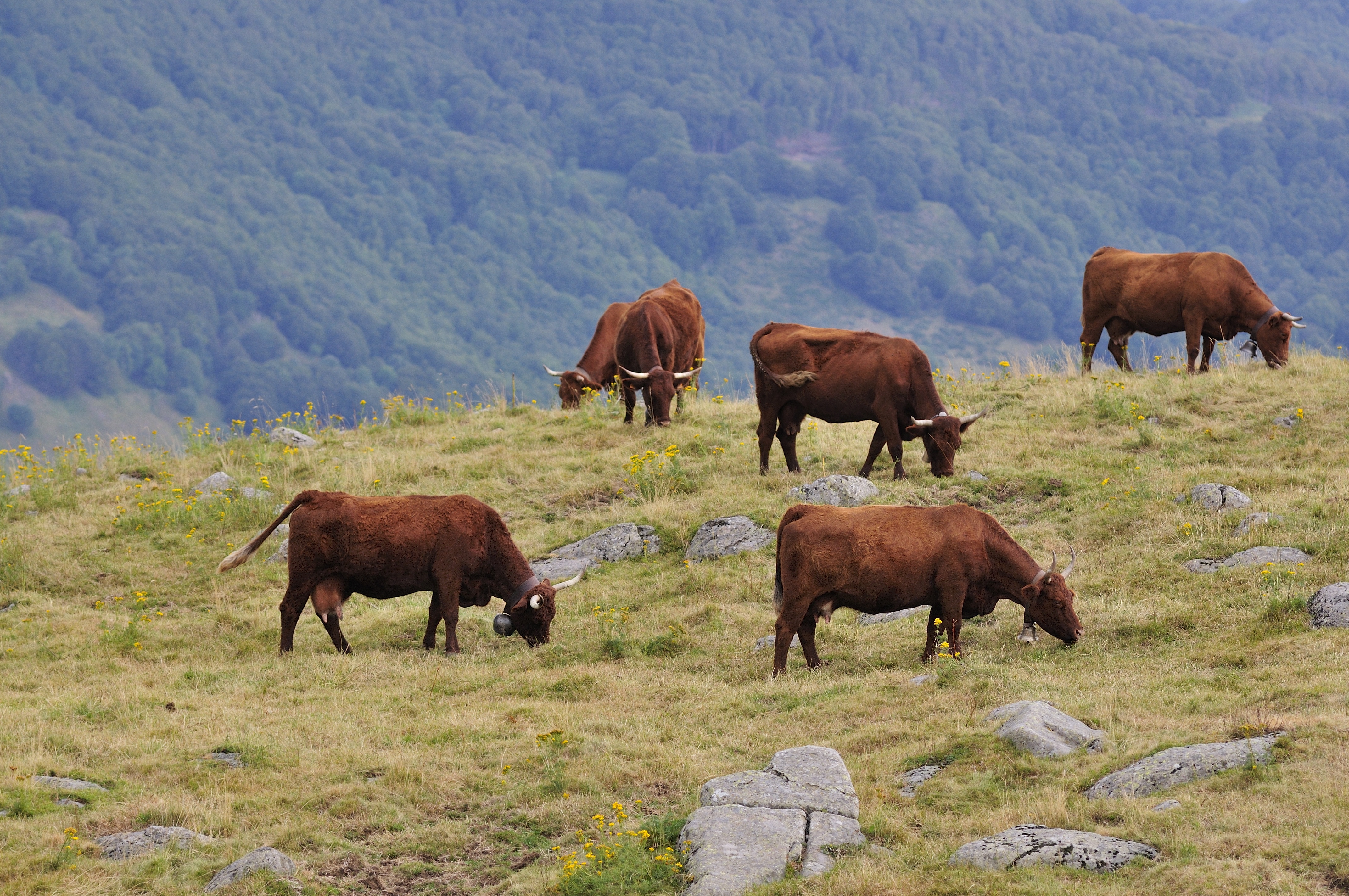
The cows have traditionally had a largely grass-based diet in the Cantal mountains of the Massif Central
JARRY TRIPELON/GETTY IMAGES
The 69 farms that make the semi-hard, raw cow’s milk cheese have had an angst-ridden summer. After heatwaves left pastures frazzled, many ran out of grass for their cattle: 31 had to suspend Salers production altogether and the rest limited their output.
Martin Galvaing, a dairy farmer, said he had made one cheese wheel a day, compared with two in a normal year. “That’s almost €40,000 out of the window,” he told the Libération newspaper.
Another farmer, Eric Lafon, said he had switched to producing Cantal cheese, which can be made with milk from hay-eating cows, but it is not so lucrative. Lafon said the switch had cost him €100,000. “We are wondering whether to put the cheese-maker on short-time working or whether we can keep him at all. It’s dramatic.”
Cantal sells for about €30 a kilo in Paris cheesemongers, whereas Salers goes for about €45 a kilo. Salers Tradition, which is considered top-of-the-range because it is made in the area’s pasturelands with milk from the mahogany-coloured Salers breed of cattle, costs more than €65 a kilo in the capital’s chicest cheesemongers.
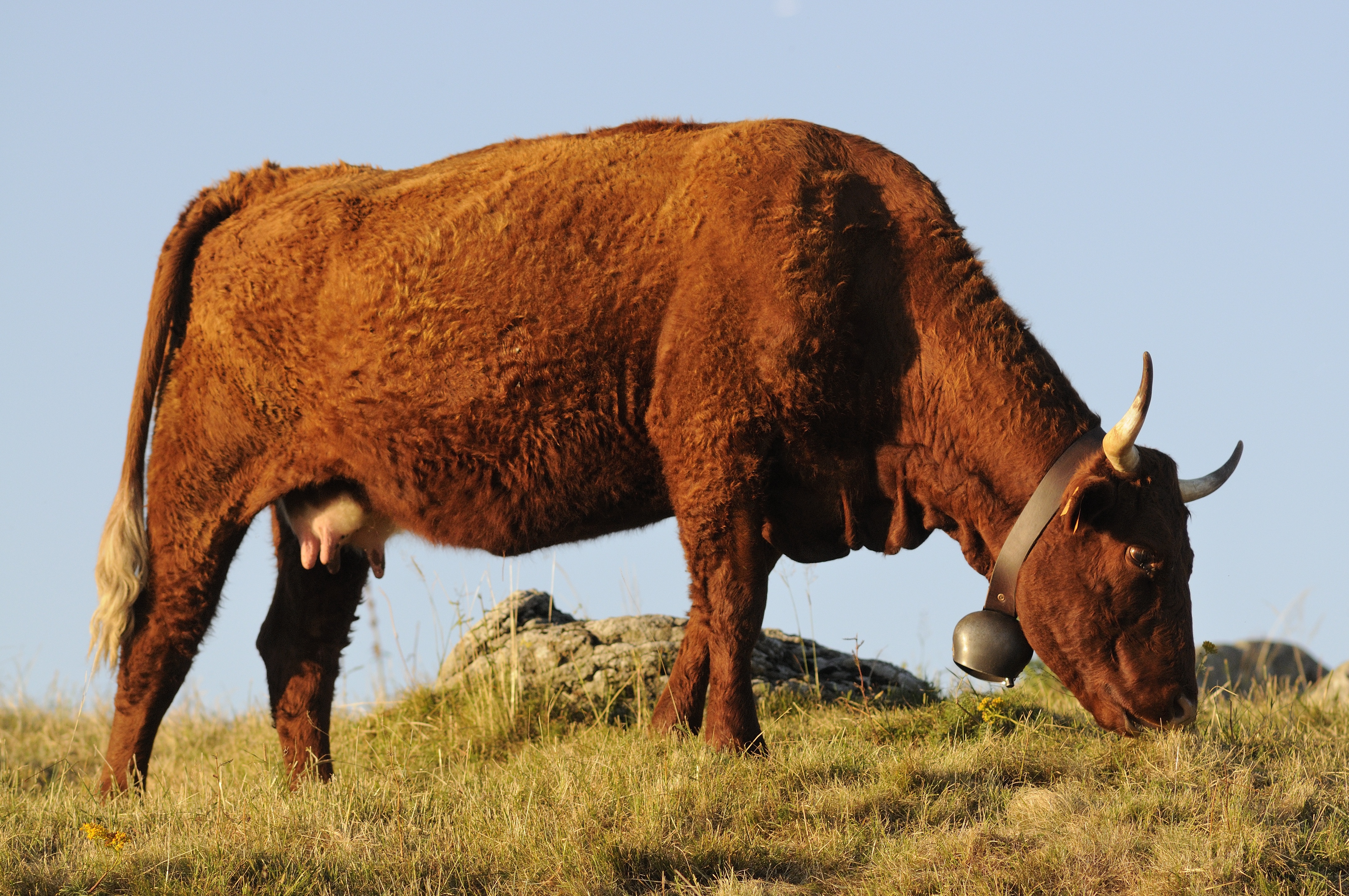
The Salers breed of cattle produce the most sought-after cheese
JARRY TRIPELON/GETTY IMAGES
It used to be thought that heatwaves would affect cheese production in the area once every 600 years. Now heatwaves are expected once a decade. The latest, before this summer, was in 2022.
Some of the hay comes from local fields but it must also be brought in from other areas.
• French cheeses ‘risk extinction’ because of fungi decline
“We don’t want to adulterate Salers but if we don’t adapt, it will perhaps have disappeared by 2050,” Laurent Lours, a farmer, who is chairman of AOP Salers, the body that regulates the cheese, told Le Parisien. It has decided to raise the amount of hay allowed in cattle’s diet from 25 to 50 per cent.
But Galvaing said: “If we lower the quality of the cheese to produce it at any cost, will we be able to sell it afterwards?”
Dining and Cooking