
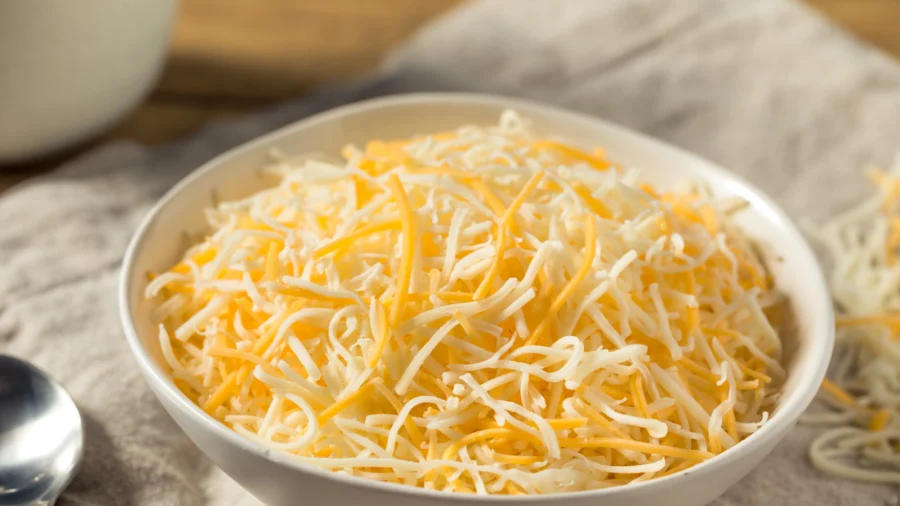
A large, multi-brand recall has been issued for cheeses distributed across 31 states. The Food and Drug Administration (FDA) is urging consumers to check their refrigerators after Great Lakes Cheese Co. Inc. initiated a voluntary recall of shredded cheese products found to be contaminated with metal fragments.The FDA officially classified the recall as Class II on Dec. 1, meaning use of the affected cheese could cause temporary or medically reversible health effects. The recall was initiated on Oct. 3 but because many products have best-by dates into February and March 2026, they may still be in consumers’ refrigerators.
Products were distributed in Alabama, Arkansas, Arizona, California, Colorado, Florida, Georgia, Idaho, Illinois, Indiana, Kansas, Kentucky, Louisiana, Minnesota, Missouri, Mississippi, North Carolina, Nebraska, New Mexico, Nevada, New York, Oklahoma, Oregon, Pennsylvania, South Carolina, Tennessee, Texas, Utah, Virginia, Washington, Wisconsin, and Puerto Rico.
According to the FDA, the issue stems from “potential metal fragments from supplier raw material (downstream recall).” The affected cheeses include low-moisture part-skim mozzarella, Italian-style blends, pizza-blend cheeses, and shredded mixes sold under private-label and national brands.
Brands involved include Always Save, Borden, Brookshire’s, Cache Valley Creamery, Chestnut Hill, Coburn Farms, Econo, Food Club, Food Lion, Gold Rush Creamery, Good & Gather from Target, Great Lakes Cheese, Great Value from Walmart, Happy Farms from Aldi, H-E-B, Hill Country Fare, Know & Love, Laura Lynn, Lucerne, Nu Farm, Publix, Schnuck’s, Simply Go, Sprouts Farmers Market, Stater Bros., and Sunnyside Farms.
The recall covers over 263,000 cases of shredded cheese in a variety of package sizes—from 8-ounce bags to bulk foodservice packs. Many products have best-by dates stretching from January through late March 2026. Although the cheese is sold under dozens of store brands, the products were made by the same manufacturer but rebranded for different retailers.
Expiration dates vary widely. Italian-style blends run through Feb. 23–26, 2026. Pizza-style blends extend through Feb. 21–23, 2026. Specialty mixes such as mozzarella–parmesan and mozzarella–provolone extend into March 21–22, 2026. Other mozzarella products carry dates through late March.
For a full list of all cheese products covered in the recall, please check the recall notice from the FDA under event ID number 97827.
Consumers are advised to discard the products or return them for a refund.
Metal fragments in food present significant health risks. The FDA classifies such pieces as “hard or sharp foreign objects,” which can cause traumatic injury.
Even small metal shards may cut or puncture the mouth, throat, or digestive tract, causing lacerations of the lips, tongue, gums, esophagus, stomach, or intestines. Larger fragments, especially those between about 0.3 inches and 1.0 inches, are considered particularly dangerous because they can become lodged or perforate internal tissues, according to the FDA. Metal contamination also violates federal food safety law.
Dining and Cooking