
Key Points
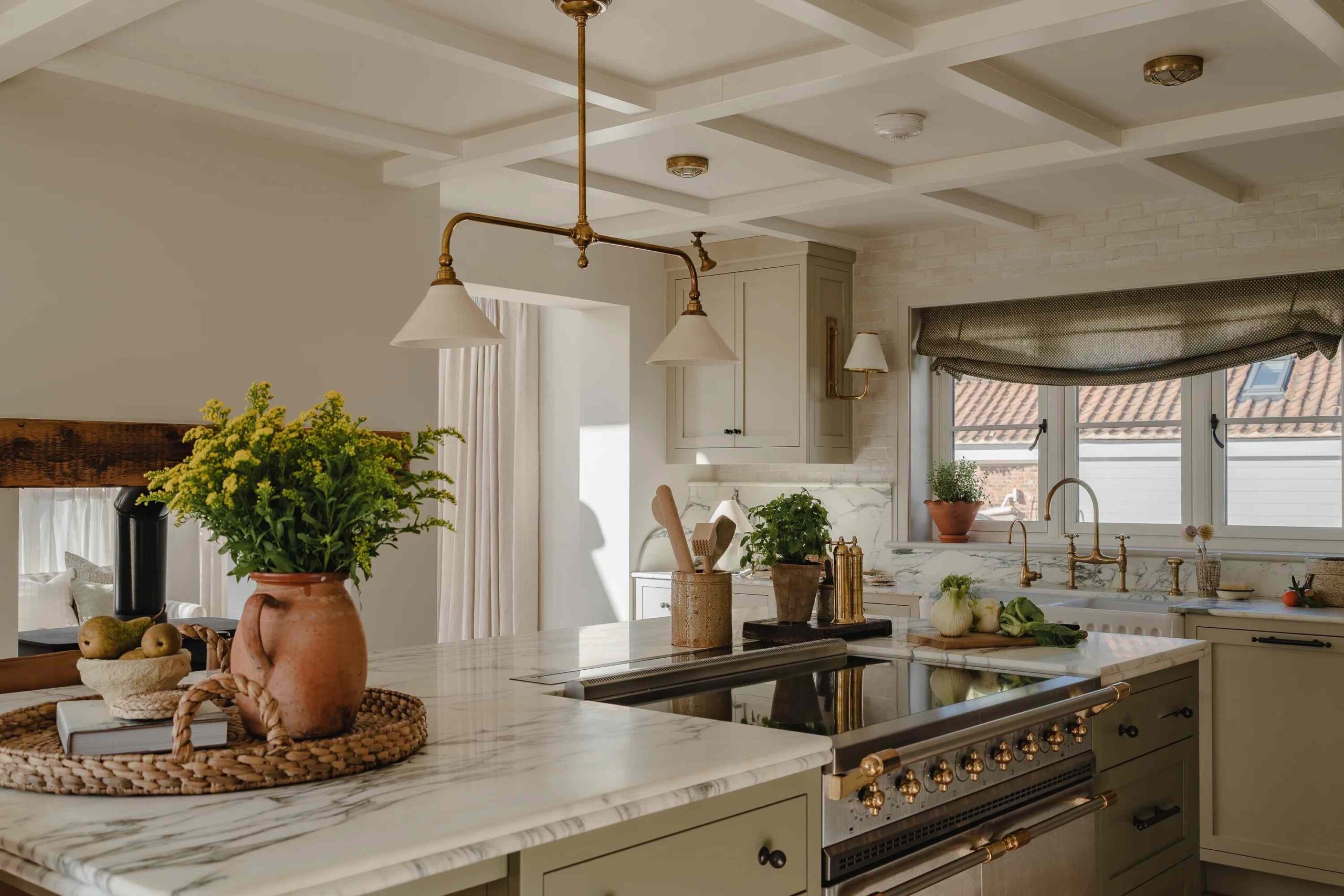
Tuscan kitchens are returning as people crave warmth and nostalgia at home.Modern versions feel more authentic thanks to better access to real Italian inspiration.Focus on quality appliances, natural materials, good light, and an easy, relaxed vibe.
We weren’t honestly sure we’d live to see the day, but it appears that Tuscan kitchens are making their way back in style. What’s even more shocking is that designers are actually pretty excited about it.
Here, two weigh in on what the return of Tuscan kitchens says about our kitchen preferences these days, plus how to design one timelessly.
Why Tuscan Kitchens Are Back
Credit:
Ashley Montgomery Design
Designer Colleen Bennett has been noticing the return of Tuscan kitchens, and she credits it to the fact that it’s a warm and nostalgic style.
Gen Z and younger Millennials who grew up with Tuscan kitchens are now designing their own kitchens, and they are drawing inspiration from the comforting feeling of their childhood homes.
But the trend doesn’t seem to be bound by a specific age right now, perhaps because everyone wants a welcoming kitchen.
“People love the warmth and coziness that this style brings to a home,” Bennett says. “I also think people like that it incorporates natural materials and natural lighting, which makes the space feel homely and lived in.”
Want more design inspiration? Sign up for our free daily newsletter for the latest decor ideas, designer tips, and more!
Today’s Tuscan Kitchens Are More Authentic
Credit:
Whittney Parkinson Design
Thanks to the internet, planning a trip to Tuscany or simply looking at photos of kitchens in the region is much more accessible now. That’s one reason why today’s Tuscan kitchens are much more authentic and less like caricatures of the concept.
Interior designer Lori Wilke has visited Italy multiple times, and she always soaks in home inspiration while there.
“My last two trips to Italy, I was fortunate enough to stay among the Italian people and live in an Italian apartment in Bologna and Rome, as well as a villa in Tuscany,” she says. “I noticed quite a few things about an Italian kitchen.”
According to her, the Americanized versions of Tuscan kitchens that were popular in the early 2000s emphasized glazed cabinets, warm tones, and knock-off travertine tile. On the other end, authentic Italian and Tuscan kitchens emphasize lifestyle, functionality, and organic materials.
Tips for Designing a Timeless Tuscan Kitchen
Credit:
Calimia Home
Anytime you follow a design trend, you run the risk of it fleeting out of style. That’s why if you want to hop on the Tuscan kitchen train, both Wilke and Bennett agree that taking an authentic and timeless approach is key. Here are a few of their tips on how to achieve that.
Invest in Quality Appliances
Italians notoriously love cooking, so it should come as no surprise that they are pretty serious about quality appliances.
“The appliances are most important, with a gas cooktop, top-of-the-line refrigerator, and a great espresso machine,” Wilke says.
Go With Simple and Natural Finishes
Tuscan kitchens often show off materials you’d find in nature rather than manufactured versions. That’s why Wilke suggests using natural stones like marble, soapstone, and unlacquered metals that will patina over time.
When it comes to tile, Bennett says to avoid anything that looks mass-produced.
“I like to go for organic materials and ones that have a handmade feel to them, like painted tiles,” she says.
Place Emphasis on Natural Light
Old-world Italian kitchens in Tuscany were designed at a time when humans relied on the sun as their primary light source. That’s why Bennett says to avoid overlighting your kitchen with artificial lighting and let the sun do its job.
“Making sure you have lots of natural light makes the space feel a lot warmer,” she says. “Make sure any window coverings you choose are lighter or translucent to let as much light in as possible.”
Keep it Laid Back
At the end of the day, a true Tuscan kitchen is cozy and enjoyable to cook in, and it’s a place where your guests will naturally flock.
“Take time to create a kitchen that is very welcoming and not fussy,” Wilke says. “It’s all about the company and the food.”
Dining and Cooking