
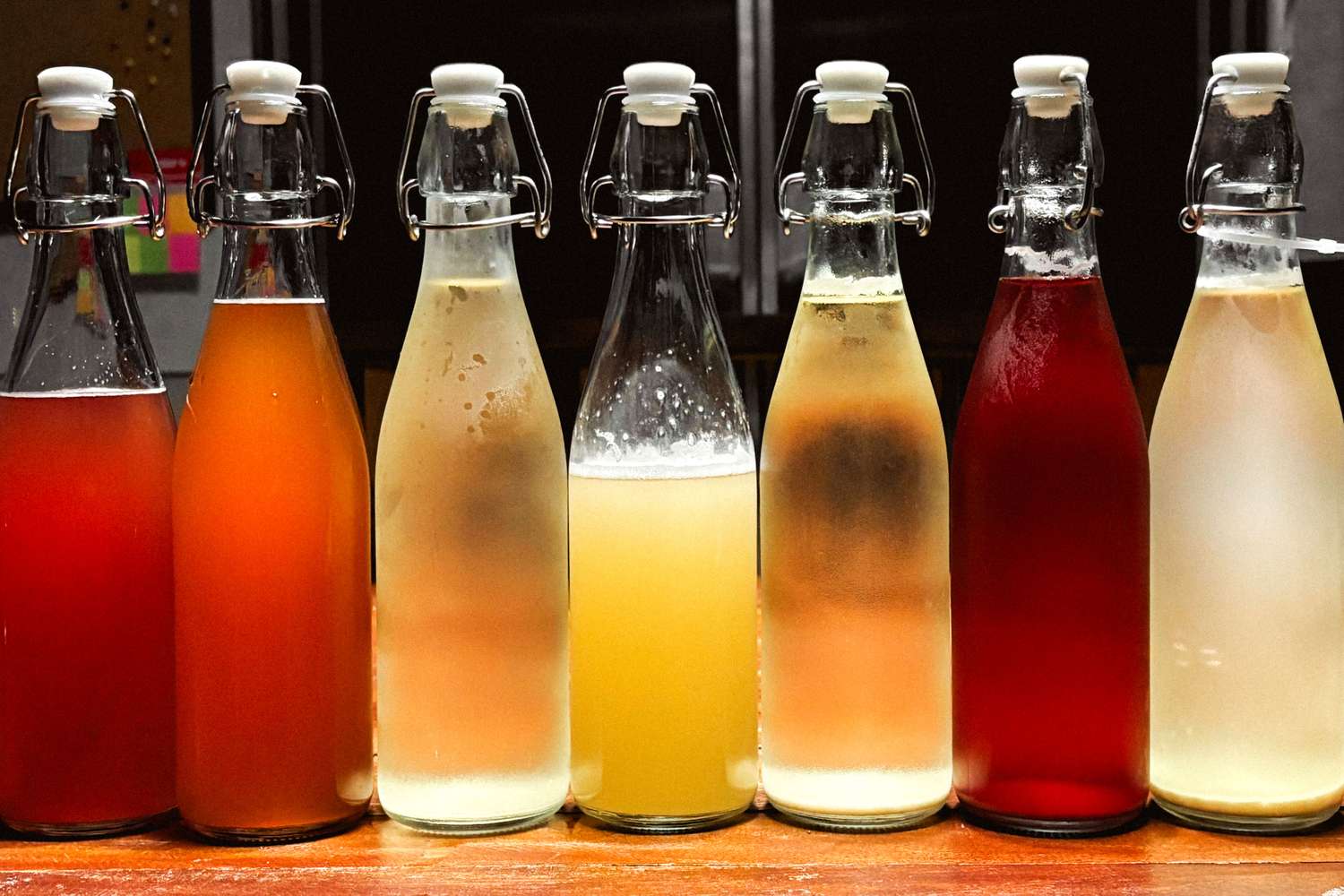
Sato, a traditional fermented sticky rice drink from Thailand’s Isan region with deep Lao cultural roots, is gaining new visibility after generations as a homemade farmers’ beverage.A growing wave of modern brewers in Thailand and the U.S. are updating sato with refined techniques, creative infusions, and higher-alcohol expressions, bringing it to bars and restaurants.Thai and Lao American hospitality groups are introducing sato to more U.S. drinkers through cocktails, tasting flights, and dedicated spaces like The Sato Room in New York City.
Visit any Lao family on New Year’s, and you’ll likely find a jar of sato in the fridge. Cloudy, sweet, and low in alcohol, sato is the traditional rice wine made for centuries in Isan, Thailand’s northeastern region, where the culture is predominantly Lao. In Laos, the same drink is called lao hai and is often brewed in earthen jugs.
Khamphone Jot Voraphaychith, founder of Seattle-based sato brewery Village Ghost, has childhood memories tied to the rice beverage. “The thing with sato, when it’s freshly brewed, it’s very fragrant,” he says.
In sixth grade, tempted by the strong aroma coming from his family’s fridge, Voraphaychith had his first taste of sato. Sweet and carbonated, it was a flavor that he couldn’t forget.
Voraphaychith wouldn’t be the first Lao kid to have snuck a taste of sato. Supawadi Sukchit, beverage manager at Soothr, a popular Thai noodle spot in Long Island City, New York, grew up in Isan and remembers seeing his mom make sato all the time.
What is Sato?
Sato is a fermented drink made using sticky rice and a traditional starter called luk paeng, which is composed of various yeast strains, mold, starch, and perhaps some bacteria and herbs, depending on who you ask. Most people who make luk paeng have their own recipe. Regardless of its ingredients, luk paeng is formed into balls and mixed with sticky rice for fermentation.
Courtesy of Nanuanchun Sato
When brewed at home, sato is usually fermented in glass or plastic jars, which typically takes a few weeks. Sato can be served filtered, which gives it a translucent appearance, or unfiltered, which makes it milky and cloudy. Unfiltered sato is similar to makgeolli, the Korean rice wine, but sato is sweeter because sticky rice contains more amylopectin.
Sato’s alcohol content can vary widely, between 2–12%, depending on the fermentation time. It can also be distilled further to make a traditional rice whisky called lao khao.
Sato’s humble beginnings
No one knows exactly when people started to make sato. In Isan, it’s been made for centuries, but sato has long been known as a drink of farmers. Isan’s primary crop is sticky rice. And as sticky rice is a staple food in Isan, sato is the staple drink.
Courtesy of Nanuanchun Sato
According to Supatta Banklouy, one of the partners at Soothr, in the early days of rice harvesting, entire villages would come together to help. “The rule is, when people come to help you, you will have to treat them with food and drinks,” he says. “They [would] just take their own rice to make alcohol.” The people of Isan would also make sato ahead of any celebration.
Sato has historically been made at home, rather than commercially available. However, a new generation of brewers have made sato trendy in cities like Bangkok. One brewer, Keng-Songpon Pharupon, started selling sato in 2021, made at Nanuanchun brewery in Thailand’s Kalasin village. Pharupon was an architect who took over his family’s farm and decided to make sato using his grandparents’ recipe.
Courtesy of Nanuanchun Sato
“Before, everyone looked down on sato because sato is the drink of the farmers,” says Pharupon. Now, Nanuanchun Sato is served at restaurants like Samrub Samrub Thai, named one of Asia’s 50 Best Restaurants. Other modern craft sato brewers have popped up around Thailand in the past few years.
Sato in America
Though it’s still rare, Americans of Thai and Lao descent are slowly introducing sato to the United States.
In early 2024, Banklouy created a sato cocktail mixed with Italicus Rosolio di Bergamotto, a bergamot-infused liqueur, for Sappe, another of the team’s Thai restaurants in New York City. In September, when the group opened a new Soothr location in Long Island City, they decided to build a speakeasy devoted to the rice beverage behind it, called The Sato Room. Naturally, they serve sato, alongside sake, shochu, and beer.
Courtesy of Sappe
Sukchit and Banklouy brew sato using techniques Sukchit learned from his mother. Five different sato infusions, all brewed in-house, are served at The Sato Room. Options include an unfiltered version with Thai jasmine and a filtered expression infused with Vietnamese coffee. Customers unfamiliar with sato often opt for a flight of all five flavors.
Courtesy of Soothr
Years after having his first taste of sato in sixth grade, Voraphaychith asked his father to teach him how to make sato. In 2021, he launched Village Ghost, the only sato brewery in the U.S. Its sato is crafted traditionally, but it’s fermented longer to achieve a higher alcohol content of 14%. The sato is available at some Thai and Lao restaurants around Washington State.
For the Lao community in Isan, sato is the drink of the people. “Sato is a simple drink. Everyone can ferment it,” says Pharupon. Based on the enthusiastic responses from The Sato Room and the Village Ghost, it can be the drink of the people here, too.
Dining and Cooking